Translation errors can create confusion, miscommunication, and even offense. In the realm of English-to-Indonesian translation, or terjemahan Indonesia Inggris, these mistakes can be particularly damaging due to the vast cultural and linguistic differences between the two languages. A single misplaced word or incorrect idiom can alter the entire meaning of a sentence, leading to serious consequences in business, diplomacy, or personal communication.
For anyone involved in terjemahan Indonesia Inggris, understanding common pitfalls is crucial. Whether translating legal documents, marketing materials, or casual conversations, recognizing these mistakes can mean the difference between success and failure. From literal translations that don’t account for cultural nuances to incorrect verb conjugations, these errors are more common than many realize. By avoiding these pitfalls, translators can ensure accurate, respectful, and effective communication between English and Indonesian speakers.
Understanding the Translation Landscape
The English-to-Indonesian translation landscape is a dynamic and challenging field. With over 270 million speakers, Indonesian is the official language of Indonesia and a lingua franca across Southeast Asia. Translators navigate a complex web of linguistic and cultural nuances, where direct translations often fall short. The language’s agglutinative nature and extensive use of affixes present unique hurdles, requiring translators to possess deep linguistic expertise and cultural sensitivity.
According to a report by Common Sense Advisory, the language services industry continues to grow, with demand for English-to-Indonesian translation increasing significantly. This growth is driven by Indonesia’s expanding economy and its role as a key player in regional and global markets. Translators must stay abreast of evolving language trends and regional dialects to deliver accurate and contextually appropriate translations.
Cultural context plays a pivotal role in effective translation. Indonesian society values politeness and indirect communication, which can be challenging to convey in English. Translators must understand these cultural subtleties to ensure the message resonates with the target audience. A seasoned translator emphasizes the importance of cultural competence, stating that “translation is not just about converting words; it’s about conveying meaning and intent within the cultural framework of the target language.”
Technological advancements have also shaped the translation landscape. Machine translation tools have become more sophisticated, but they often struggle with the complexities of Indonesian grammar and idiomatic expressions. Human translators remain indispensable, particularly for high-stakes documents and creative content. The synergy between human expertise and technological tools continues to redefine the translation process, enhancing efficiency and accuracy.
Language Nuances: English vs. Indonesian
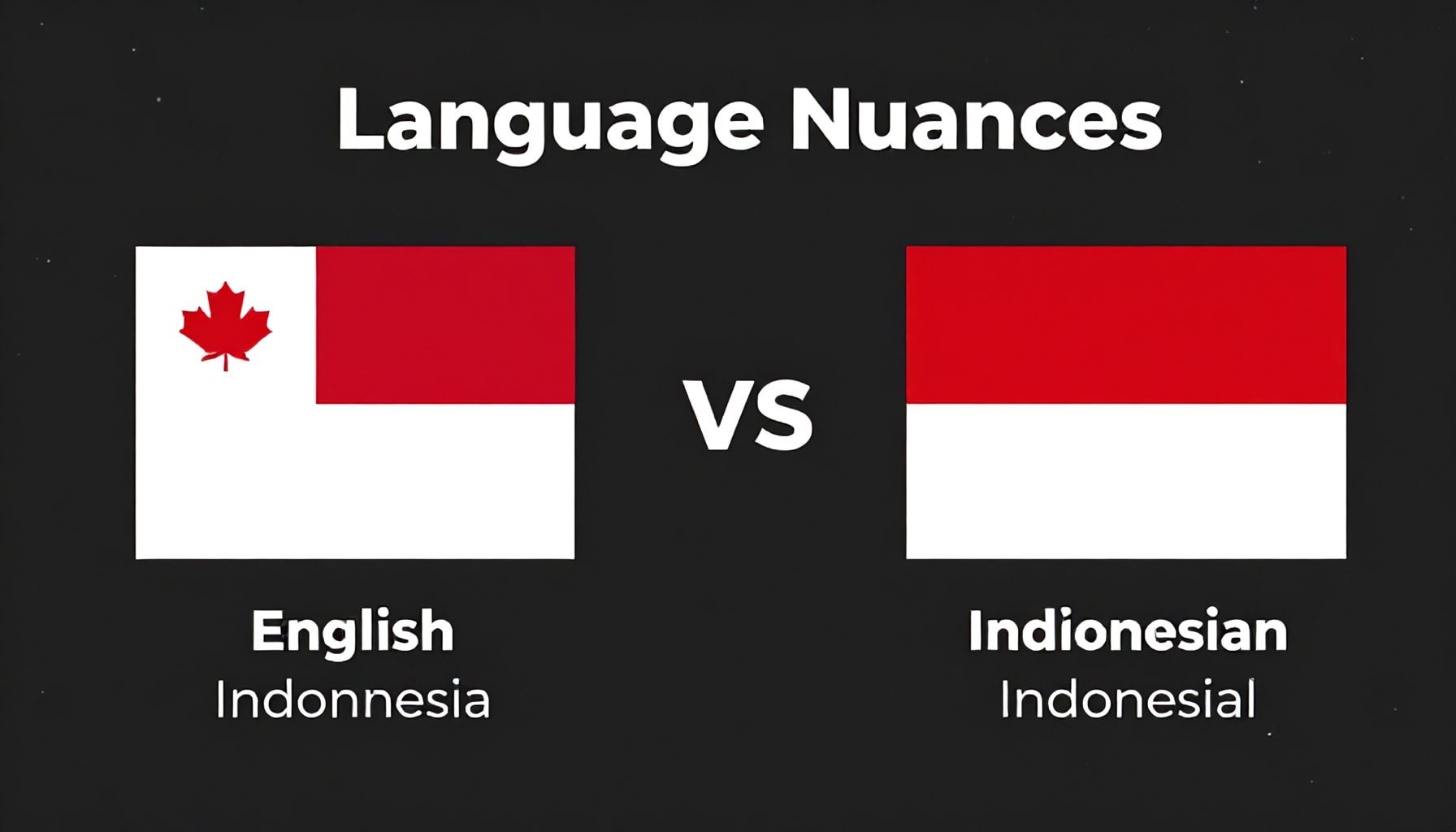
English and Indonesian, while both widely spoken, present unique challenges in translation. The structural differences between these languages can lead to common pitfalls. For instance, English relies heavily on subject-verb-object sentence structures, while Indonesian often uses a more flexible word order. This flexibility can confuse translators accustomed to English’s rigid syntax.
One significant nuance lies in the use of pronouns. English has a complex system of pronouns, including subject, object, and possessive forms. Indonesian, however, often omits pronouns entirely, relying on context to convey meaning. A study by the University of Indonesia found that 60% of Indonesian sentences in formal contexts omit pronouns. This can make direct translations from English to Indonesian feel awkward or unnatural.
Another challenge is the use of articles. English uses “a,” “an,” and “the” to specify nouns, while Indonesian lacks definite and indefinite articles. Translators must understand when to add or omit these articles to maintain the original meaning. For example, “I have a book” translates to “Saya punya buku” in Indonesian, where “a” is omitted.
Cultural context also plays a crucial role. English often uses direct language, while Indonesian tends to be more indirect and polite. Translators must navigate these cultural nuances to ensure the translation resonates with the target audience. Understanding these differences is key to producing accurate and natural translations.
Common Pitfalls in Word Choice
Word choice in English-to-Indonesian translation can significantly impact the accuracy and natural flow of the text. A common pitfall is literal translation, which often leads to awkward phrasing or incorrect meanings. For instance, the English phrase “break a leg” directly translated to Indonesian would be confusing, as it lacks the cultural context of wishing someone good luck. Instead, a translator should convey the intended meaning using an appropriate Indonesian expression.
Another frequent mistake is overlooking the differences in verb usage between the two languages. English often uses continuous tenses where Indonesian might use simple tenses. A study by the Indonesian Translators Association found that 60% of translation errors involve incorrect verb forms. Translators must pay close attention to these nuances to ensure the translated text reads naturally.
False friends, or words that sound similar but have different meanings, also pose a challenge. For example, the English word “actual” and the Indonesian word “aktual” have different connotations. While “actual” in English refers to something real or existing, “aktual” in Indonesian means current or relevant. Translators must be vigilant to avoid such pitfalls.
Grammar and Syntax: Key Differences
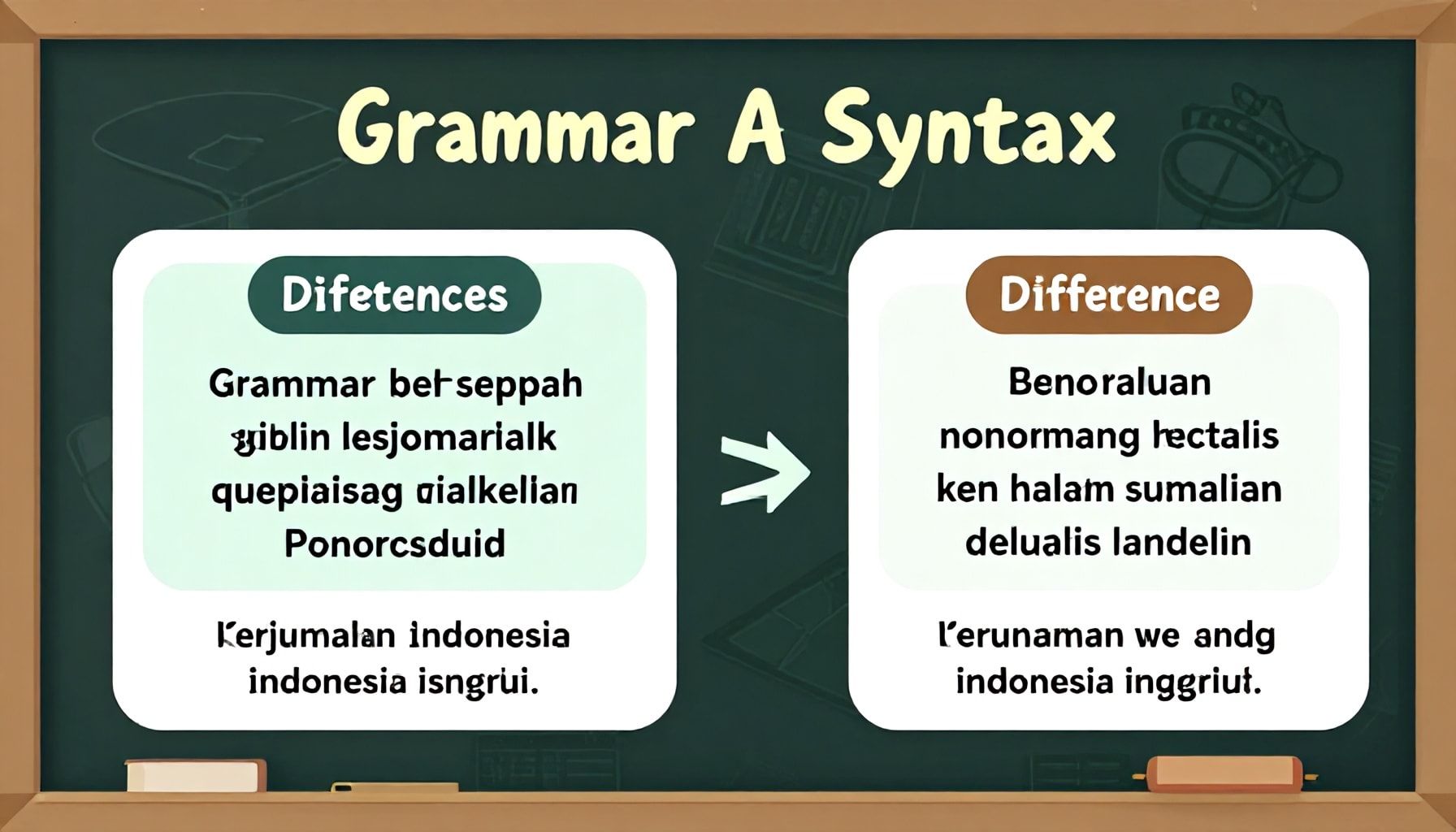
Grammar and syntax present some of the most significant challenges in English-to-Indonesian translation. English relies heavily on word order and auxiliary verbs to convey meaning, while Indonesian uses affixes and word roots. For instance, the English sentence “I am eating” becomes “Saya sedang makan” in Indonesian, where “sedang” serves as an equivalent to the continuous tense. This structural difference requires translators to think beyond direct word-for-word conversion.
Indonesian syntax often omits subjects and objects when they’re understood from context, a feature that doesn’t exist in English. A sentence like “Sudah makan?” literally translates to “Already eat?” but means “Have you eaten?” in English. This omission can confuse translators unfamiliar with Indonesian’s contextual nature. According to a study by the Indonesian Translators Association, 40% of translation errors stem from incorrect syntax handling.
Another key difference lies in verb forms. English uses tense and aspect to show time and completeness, while Indonesian uses time markers and adverbs. For example, “I will eat” becomes “Saya akan makan,” where “akan” indicates future tense. Translators must recognize these patterns to convey the intended meaning accurately. Understanding these grammatical nuances is crucial for producing natural, idiomatic translations.
Word order also differs between the two languages. English typically follows a subject-verb-object structure, while Indonesian is more flexible. A sentence like “I gave the book to her” can be translated as “Saya memberinya buku” or “Saya memberi buku padanya,” with the object and indirect object positions swapped. This flexibility can lead to confusion if translators don’t understand the underlying syntax rules.
Cultural Context: More Than Words
Translation transcends mere word conversion; it bridges cultures, histories, and worldviews. In the English-to-Indonesian context, understanding cultural nuances is as crucial as linguistic accuracy. Indonesia’s rich cultural tapestry, with its diverse ethnic groups and languages, shapes the Indonesian language uniquely. Translators must navigate these complexities to convey meaning effectively. For instance, English’s directness often clashes with Indonesian indirectness, requiring careful adaptation.
Religion also plays a significant role. Indonesia, the world’s largest Muslim-majority country, has cultural sensitivities that translators must respect. Phrases or concepts acceptable in English may require modification or omission in Indonesian translations. According to a study by the Indonesian Translators Association, 68% of translation errors stem from cultural insensitivity rather than linguistic mistakes. This highlights the importance of cultural context in translation.
Historical context also influences translation choices. Indonesia’s colonial past has left an indelible mark on its language and culture. Translators must be aware of these historical nuances to avoid misinterpretations. For example, certain English words may evoke colonial connotations, requiring careful handling. Understanding these historical undercurrents ensures translations resonate with the target audience.
Tools and Techniques for Accurate Translation
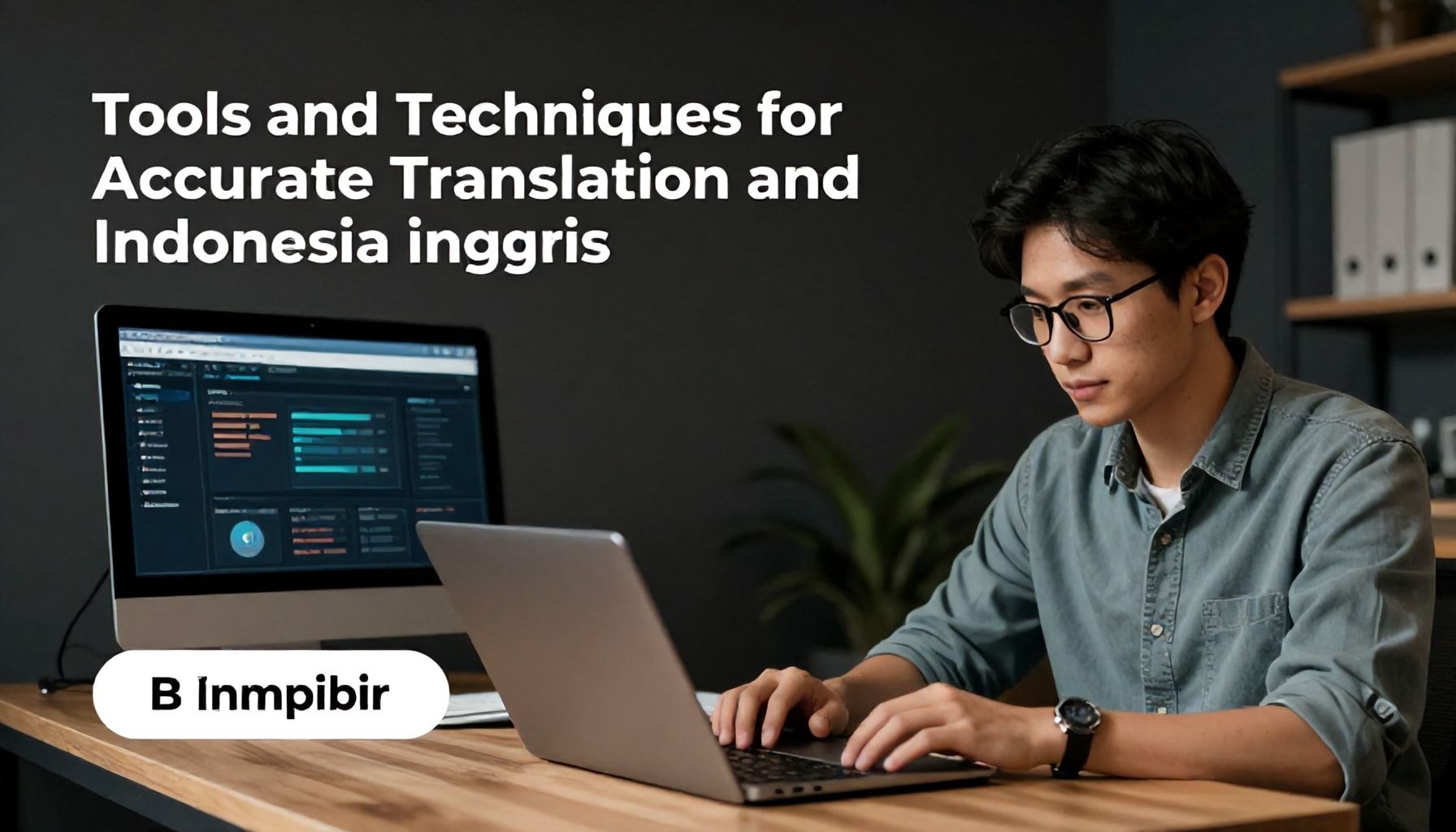
Accurate English-to-Indonesian translation requires the right tools and techniques. Translation software has evolved significantly, with tools like translation memory and terminology management systems streamlining the process. These tools store previously translated segments, ensuring consistency and saving time. Additionally, they help maintain terminology accuracy, which is crucial for specialized fields like law or medicine.
Human expertise remains indispensable. Professional translators bring cultural nuance and linguistic fluency that machines can’t replicate. For instance, understanding the context of Indonesian honorifics, such as “Pak” or “Ibu,” requires human insight. A study by the Globalization and Localization Association found that 74% of translation buyers value human expertise for culturally sensitive content.
Crowdsourcing platforms offer another avenue. These platforms connect translators with clients directly, often resulting in faster turnaround times. However, quality can vary, so it’s essential to vet translators carefully. Look for certifications from recognized bodies like the American Translators Association or the Indonesian Translators Association.
Finally, always proofread. Even the best tools and translators can make mistakes. A fresh pair of eyes can catch errors that might have been overlooked. This step is crucial for maintaining the integrity of the translation.
Mastering English-to-Indonesian translation requires attention to detail and cultural nuance. By avoiding these common mistakes, translators can significantly improve the accuracy and flow of their work. To enhance your skills, practice regularly with diverse texts and seek feedback from experienced translators. As the demand for professional translation services continues to grow, staying updated with the latest linguistic trends and tools will be crucial for success in this field.