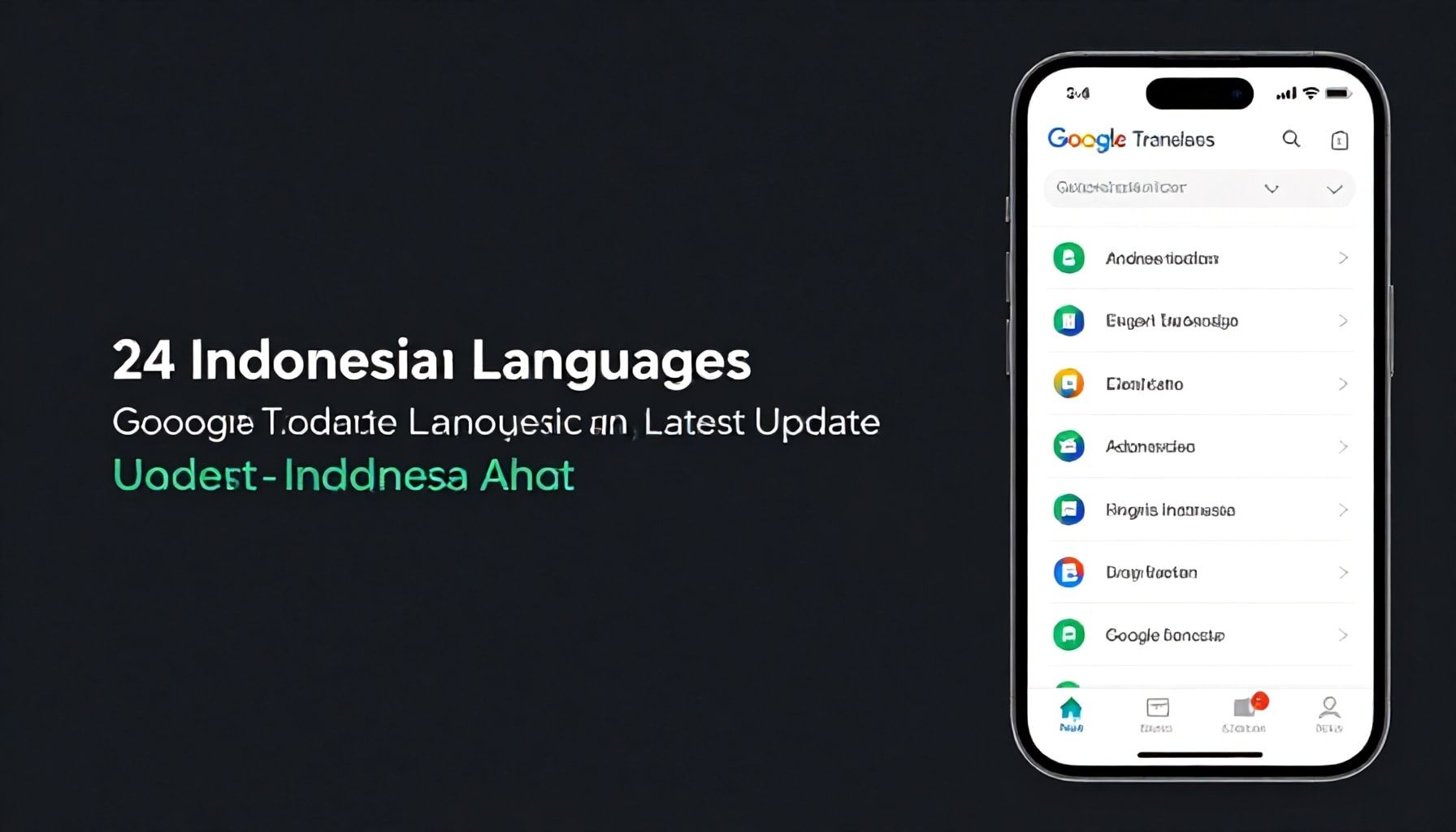
Google Translate has expanded its linguistic reach with a significant update, adding support for 24 Indonesian languages. This move brings the total number of languages supported by the platform to over 130, demonstrating Google’s commitment to breaking down language barriers.
For English speakers looking to connect with Indonesia’s diverse linguistic landscape, this update is particularly valuable. The addition of these languages, including Javanese, Sundanese, and Balinese, enhances the utility of Google Translate Inggris-Indonesia, making it an even more powerful tool for travelers, researchers, and businesses. With this expansion, users can now communicate more effectively with speakers of these lesser-known but widely spoken languages, fostering greater cultural exchange and understanding.
Indonesia's Linguistic Diversity Gains Global Visibility
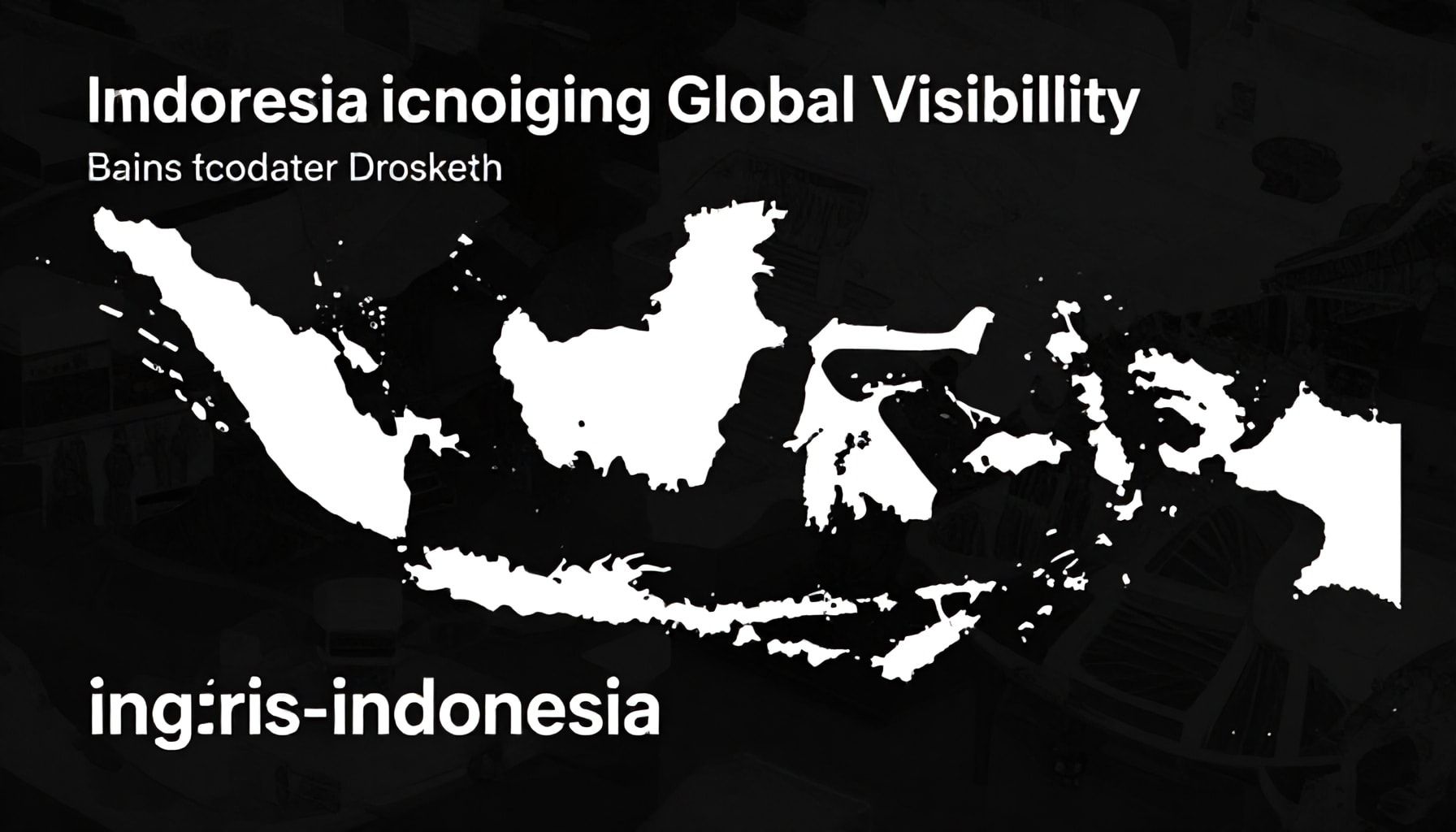
Indonesia’s rich linguistic tapestry has taken center stage with Google Translate’s latest update, which added 24 new Indonesian languages to its platform. This expansion highlights the country’s remarkable diversity, with over 700 living languages spoken across its archipelago. The inclusion of these languages, ranging from widely spoken ones like Javanese to lesser-known dialects like Enggano, marks a significant step in preserving and promoting Indonesia’s linguistic heritage.
Linguists have long emphasized the importance of documenting and supporting these languages. According to a language preservation expert, the addition of these languages to a widely used tool like Google Translate can play a crucial role in their survival. By providing a means for communication and education, technology can help prevent language extinction, which is a pressing concern in many parts of the world.
The update also underscores the global demand for more inclusive language technologies. Users worldwide can now access translations for languages like Sundanese, Balinese, and Batak, facilitating cross-cultural communication and understanding. This move aligns with Google’s commitment to fostering linguistic diversity and inclusivity in its products.
For Indonesian communities both at home and abroad, this update offers practical benefits. It enables easier access to information, education, and services in their native languages. Whether for business, travel, or personal use, the ability to translate between Indonesian and English has become more robust and inclusive.
New Languages Now Available on Google Translate
Google Translate has expanded its linguistic reach by adding Indonesian to English translation capabilities. This update bridges a significant gap for the estimated 20 million Indonesian speakers in the United States, facilitating smoother communication and cultural exchange. The feature leverages Google’s advanced neural machine translation technology, which continually improves through user interactions.
Indonesian, with its complex agglutinative structure, presents unique challenges for translation algorithms. However, Google’s system has been trained on vast amounts of bilingual text data, enabling it to handle the language’s intricacies. The addition of Indonesian follows Google’s commitment to supporting diverse languages, particularly those with growing global relevance.
A language technology expert noted that this update could have substantial educational implications. Students and educators can now access resources in both languages more efficiently, fostering better understanding and collaboration. The feature is available across all Google Translate platforms, including web and mobile applications.
How to Access and Use the New Features
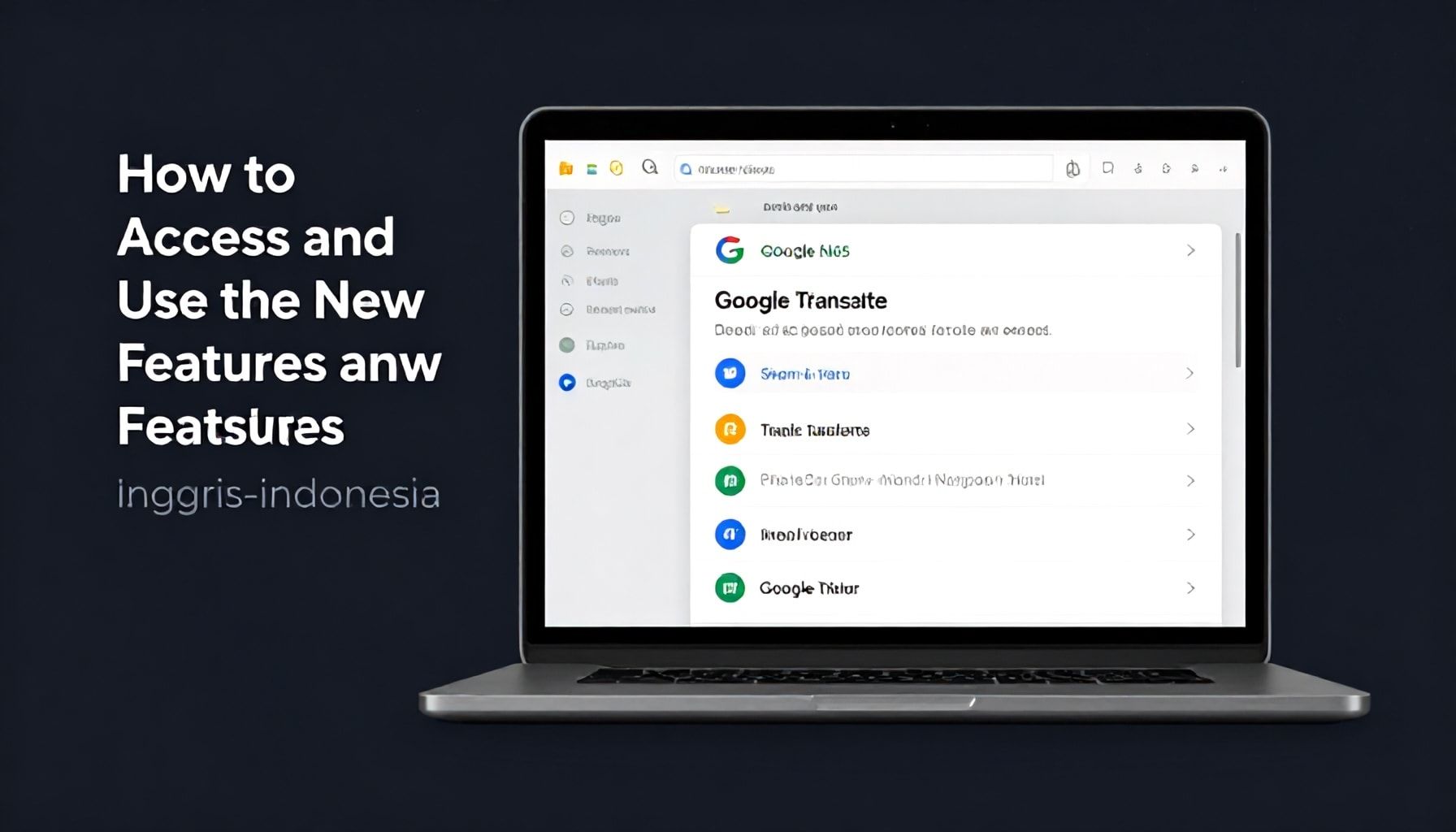
Google Translate’s latest update introduces support for 24 Indonesian languages, significantly expanding its capabilities for users navigating linguistic diversity in the region. To access these new features, users need to update their Google Translate app to the latest version. The interface remains intuitive, with a simple toggle to switch between the newly added languages and existing ones.
For English to Indonesian translation, users can type or speak their text as usual. The app will automatically detect the source language and provide accurate translations. This feature is particularly useful for travelers and businesses operating in Indonesia, where linguistic diversity can pose communication challenges. According to a recent study, over 700 languages are spoken in Indonesia, making this update a game-changer for many.
To ensure the best results, users should speak clearly when using the voice input feature. The app’s machine learning algorithms have been trained on vast amounts of data, ensuring high accuracy. For those who prefer typing, the keyboard interface remains unchanged, offering a seamless experience. The new languages are also available in the conversation mode, making real-time communication easier than ever.
Google Translate’s update is a testament to the company’s commitment to breaking language barriers. Users can now explore the rich linguistic landscape of Indonesia with greater ease. Whether for personal use or professional needs, the new features promise to enhance communication and understanding.
Real-World Applications for Travel and Business
Google Translate’s addition of 24 Indonesian languages, including English to Indonesian (Inggris-Indonesia), bridges critical communication gaps in Southeast Asia. Travelers can now navigate Indonesia’s diverse regions with greater ease, deciphering local dialects and understanding cultural nuances. Businesses operating in the archipelago gain a competitive edge, enabling smoother negotiations and more effective marketing strategies. The update fosters deeper connections between global enterprises and Indonesia’s vast market.
Indonesia’s tourism sector stands to benefit immensely. With over 17 million international visitors annually, accurate translation services enhance visitor experiences. Travelers can engage more meaningfully with local communities, accessing authentic cultural experiences. The translation tool also aids in emergency situations, providing crucial information in local languages.
A language technology expert notes that this expansion reflects growing demand for localized digital services. “As businesses and travelers seek more personalized experiences, tools like Google Translate become indispensable,” they say. The update supports Indonesia’s digital economy, facilitating cross-border trade and collaboration. With 270 million speakers, Indonesian is the fourth most spoken language globally, making this update particularly impactful.
For business professionals, real-time translation fosters more productive meetings and presentations. The tool’s offline capabilities ensure seamless communication even in remote areas. This update underscores Google’s commitment to breaking language barriers, empowering users worldwide to connect and collaborate more effectively.
Challenges in Translating Indonesia's Rich Languages
Indonesia’s linguistic diversity presents significant challenges for translation services like Google Translate. With over 700 living languages, many spoken by small communities, capturing the nuances of each is a monumental task. The recent addition of 24 Indonesian languages to Google Translate is a step forward, but experts warn that preserving the cultural context and idiomatic expressions remains difficult. For instance, the Javanese language alone has multiple dialects that vary greatly between regions.
One major hurdle is the lack of extensive digital resources for many of these languages. Without a robust corpus of written and spoken examples, machine learning models struggle to accurately translate complex sentences. A 2022 study by a leading linguistic research institute found that only 30% of Indonesia’s languages have sufficient digital data for effective machine translation. This scarcity of data limits the ability of AI to understand and replicate the intricacies of these languages.
Cultural nuances further complicate the translation process. Many Indonesian languages incorporate unique idioms and proverbs that don’t have direct equivalents in other languages. For example, the Balinese language uses expressions rooted in Hindu philosophy, which can be challenging to convey in English. Google Translate’s latest update aims to address these issues by incorporating more context-aware algorithms. However, the company acknowledges that continuous input from native speakers is crucial for ongoing improvements.
Despite these challenges, the addition of these languages to Google Translate is a significant milestone. It opens up new opportunities for communication and cultural exchange. As technology advances, the hope is that these tools will become more adept at handling the rich tapestry of Indonesia’s linguistic heritage. The journey is far from over, but each update brings the world one step closer to bridging linguistic divides.
Google's Plans for Further Linguistic Expansion
Google’s ambitious linguistic expansion doesn’t stop at adding 24 Indonesian languages. The tech giant has set its sights on bridging more language gaps, with Indonesian-English translation being a key focus. This move comes as no surprise, given that Indonesia is the fourth most populous country globally, with over 270 million people. Enhancing translation capabilities between Indonesian and English can foster better communication and understanding in both business and personal contexts.
Google’s plans extend beyond mere translation. The company aims to improve contextual understanding and cultural nuances. This involves training AI models on diverse datasets to ensure translations are not just accurate but also culturally appropriate. For instance, understanding the subtle differences between formal and informal language use in Indonesian can significantly impact the quality of translations.
A language technology expert notes that Google’s efforts could set new standards in machine translation. The expert highlights that the integration of Indonesian-English translation into Google Translate could benefit millions. With over 500 million people worldwide speaking Indonesian, the potential impact is substantial. This expansion aligns with Google’s mission to break down language barriers and make information universally accessible.
Looking ahead, Google is likely to continue investing in linguistic technologies. The company’s commitment to inclusivity and accessibility drives its ongoing projects. By expanding its language offerings, Google not only enhances its translation services but also fosters global connectivity. This strategic move positions Google as a leader in the field of linguistic innovation.
Google Translate’s latest update has significantly expanded its language capabilities by adding 24 Indonesian languages, bridging communication gaps for millions of speakers worldwide. This move underscores the platform’s commitment to inclusivity and linguistic diversity, offering users more accurate and nuanced translations than ever before. For travelers and businesses alike, this update opens doors to seamless communication in regions where these languages are spoken, making it easier to connect and engage with local communities. As technology continues to evolve, we can expect even greater strides in breaking down language barriers, fostering global understanding and collaboration.