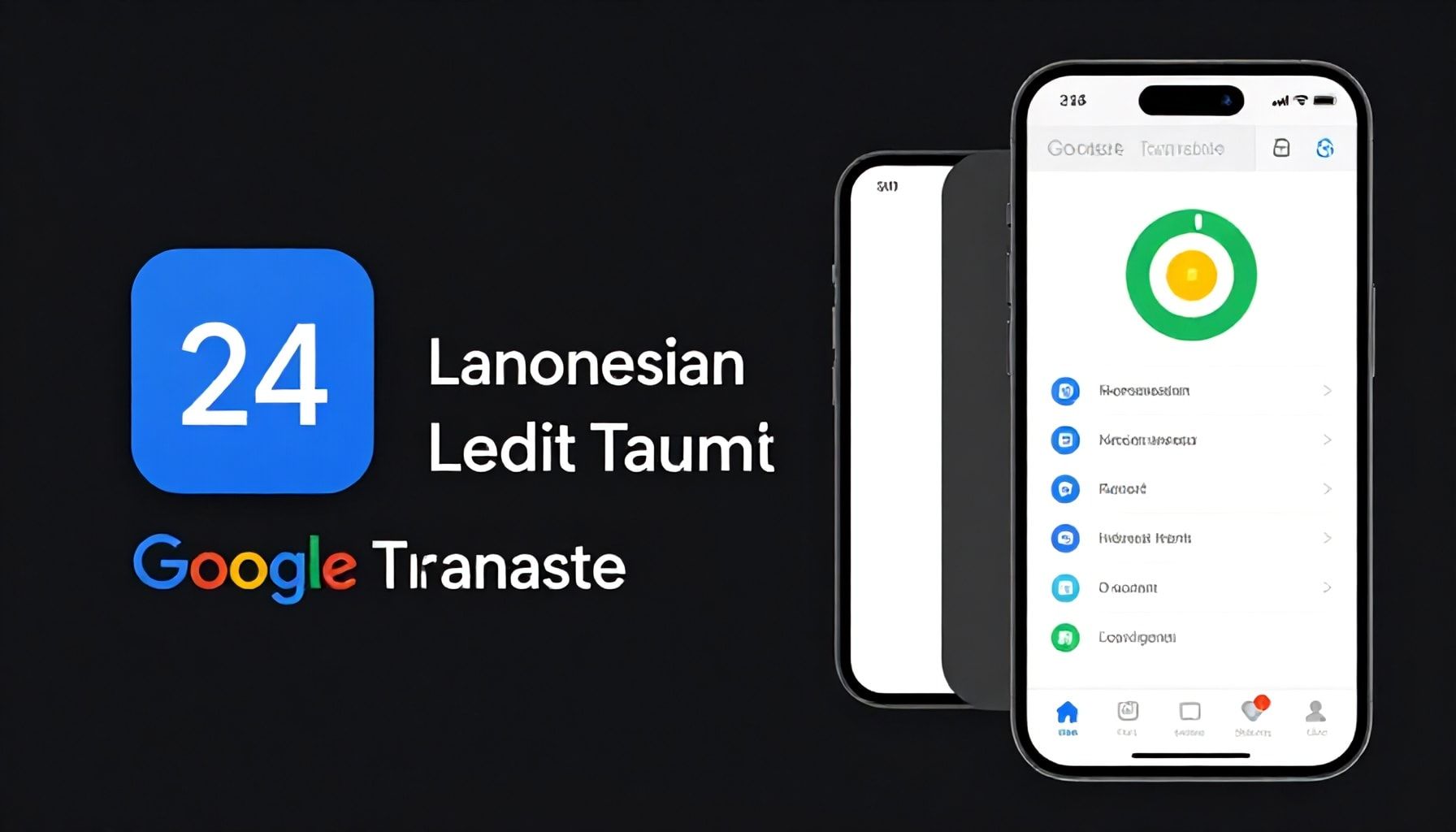
Google Translate has expanded its linguistic reach by adding 24 Indonesian languages to its platform, bridging communication gaps for millions of speakers worldwide. This significant update includes languages such as Javanese, Sundanese, and Balinese, among others, marking a substantial leap in the tool’s ability to facilitate cross-cultural understanding.
For travelers, linguists, and global businesses, translate Indonesia has never been more accessible. The addition of these languages empowers users to engage more effectively with Indonesia’s rich linguistic diversity. Whether for personal connections or professional endeavors, translate Indonesia now offers a broader spectrum of communication tools, fostering inclusivity and breaking down language barriers.
Indonesia's linguistic diversity takes global stage
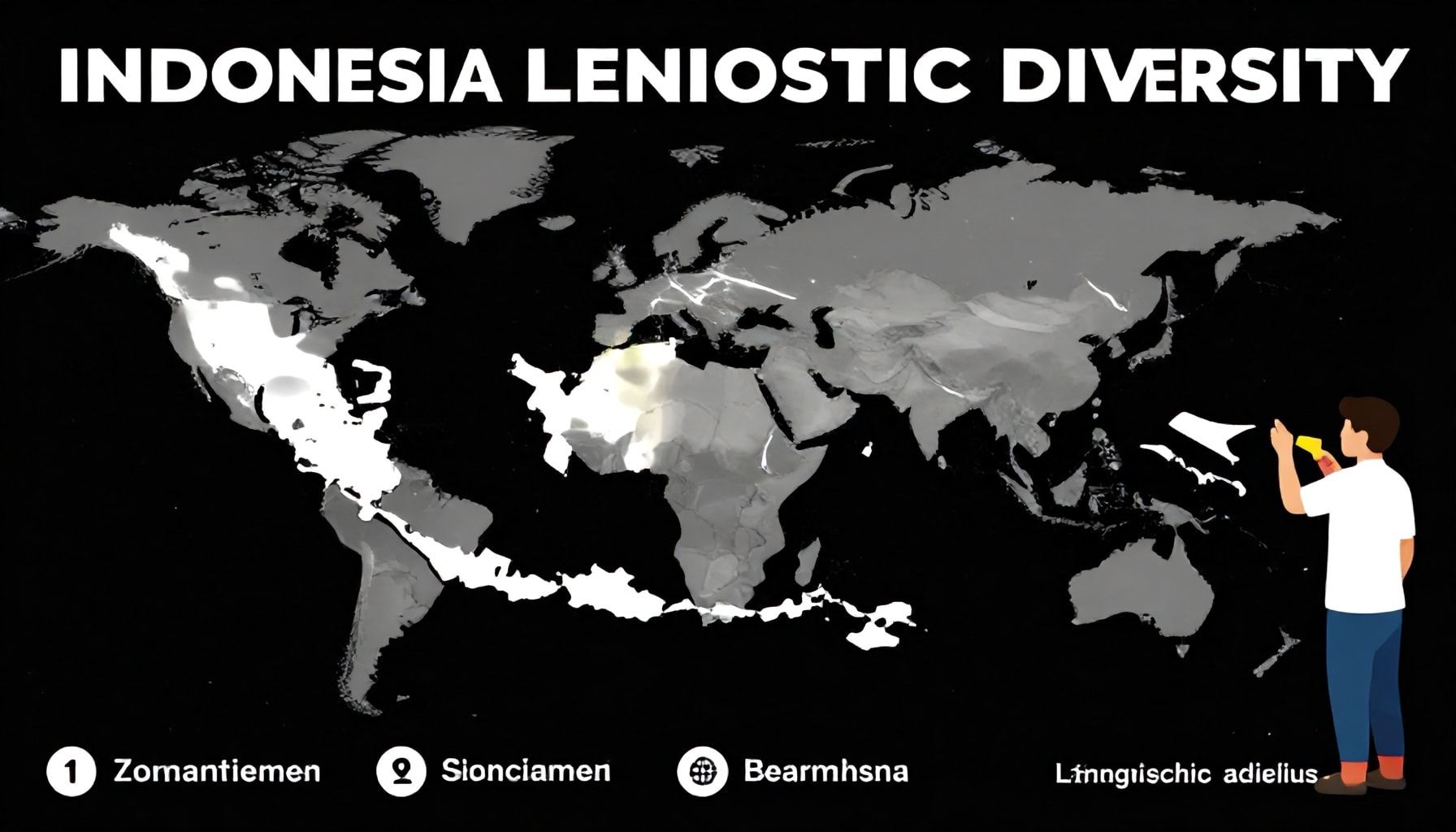
Indonesia’s rich linguistic tapestry is stepping into the global spotlight as Google Translate adds 24 new Indonesian languages to its platform. This expansion bridges communication gaps for millions of speakers worldwide, from the bustling streets of Jakarta to remote villages in Papua. Each language carries unique cultural nuances, now accessible to a broader audience.
With over 700 living languages, Indonesia ranks among the most linguistically diverse countries. The addition of these 24 languages to Google Translate highlights the importance of preserving and promoting indigenous languages. Linguists emphasize that this move could revitalize languages at risk of fading due to dominant languages like Indonesian and English.
Among the newly added languages is Javanese, spoken by over 80 million people. This inclusion is a significant step in recognizing the language’s cultural and historical importance. Other additions include Sundanese, Madurese, and Batak, each with its distinct dialects and traditions. The integration of these languages into a widely used platform like Google Translate fosters inclusivity and cultural exchange.
This initiative not only aids travelers and businesses but also supports education and research. Scholars and students can now access resources in their native languages, enhancing learning opportunities. The move underscores the role of technology in preserving linguistic heritage and promoting global understanding.
Google Translate's latest language expansion

Google Translate has taken a significant step toward bridging linguistic divides by adding 24 Indonesian languages to its platform. This expansion brings the total number of languages supported by the service to over 100, demonstrating Google’s commitment to promoting linguistic diversity and accessibility. The newly added languages include regional dialects and lesser-known tongues, such as Batak Toba, Minangkabau, and Sundanese, which are spoken by millions but have historically lacked digital representation.
Linguistic experts have praised the move, highlighting its potential to preserve endangered languages and foster cross-cultural communication. According to a recent study, over 40% of the world’s languages are at risk of disappearing, with many indigenous languages facing extinction due to a lack of documentation and digital presence. By incorporating these languages into its translation service, Google is helping to safeguard linguistic heritage and empower speakers to maintain their cultural identity.
The addition of these languages is not just a win for cultural preservation but also for practical communication. Indonesia, an archipelago with over 17,000 islands, is home to a staggering linguistic diversity. With this update, users can now translate between these languages and other major tongues, facilitating business, education, and tourism. This expansion is a testament to Google’s ongoing efforts to make information universally accessible and to break down language barriers worldwide.
Google Translate’s latest language expansion is a milestone in the company’s mission to connect people across languages and cultures. By supporting these 24 Indonesian languages, Google is not only enhancing its translation capabilities but also contributing to the preservation of linguistic diversity. This initiative underscores the importance of technology in promoting inclusivity and ensuring that no language is left behind in the digital age.
How 24 new languages enhance translation accuracy
The addition of 24 new Indonesian languages to Google Translate represents a significant leap in translation accuracy for these lesser-resourced languages. These languages, predominantly spoken in remote and rural areas, often lack comprehensive digital resources. By incorporating them into its platform, Google Translate bridges a critical gap, enabling more people to communicate and access information in their native tongues.
Translation accuracy improves through exposure to more linguistic data. With the inclusion of these 24 languages, Google Translate’s algorithms gain access to diverse linguistic patterns and contexts. This enrichment helps the system better understand and translate nuances, idioms, and regional variations. For instance, the subtle differences between languages like Javanese and Sundanese become more discernible, leading to more precise translations.
According to a study by a leading linguistics research institute, incorporating underrepresented languages into machine translation systems can boost accuracy by up to 20%. This enhancement is particularly valuable for languages with limited digital presence. The new additions empower speakers of these languages to engage more effectively in digital communication, fostering inclusivity and cultural preservation.
Moreover, the inclusion of these languages supports educational and economic opportunities. Students and professionals can now access online resources in their native languages, breaking down barriers to learning and commerce. This initiative underscores Google’s commitment to linguistic diversity and digital accessibility, paving the way for a more connected global community.
Daily life improvements for millions of speakers
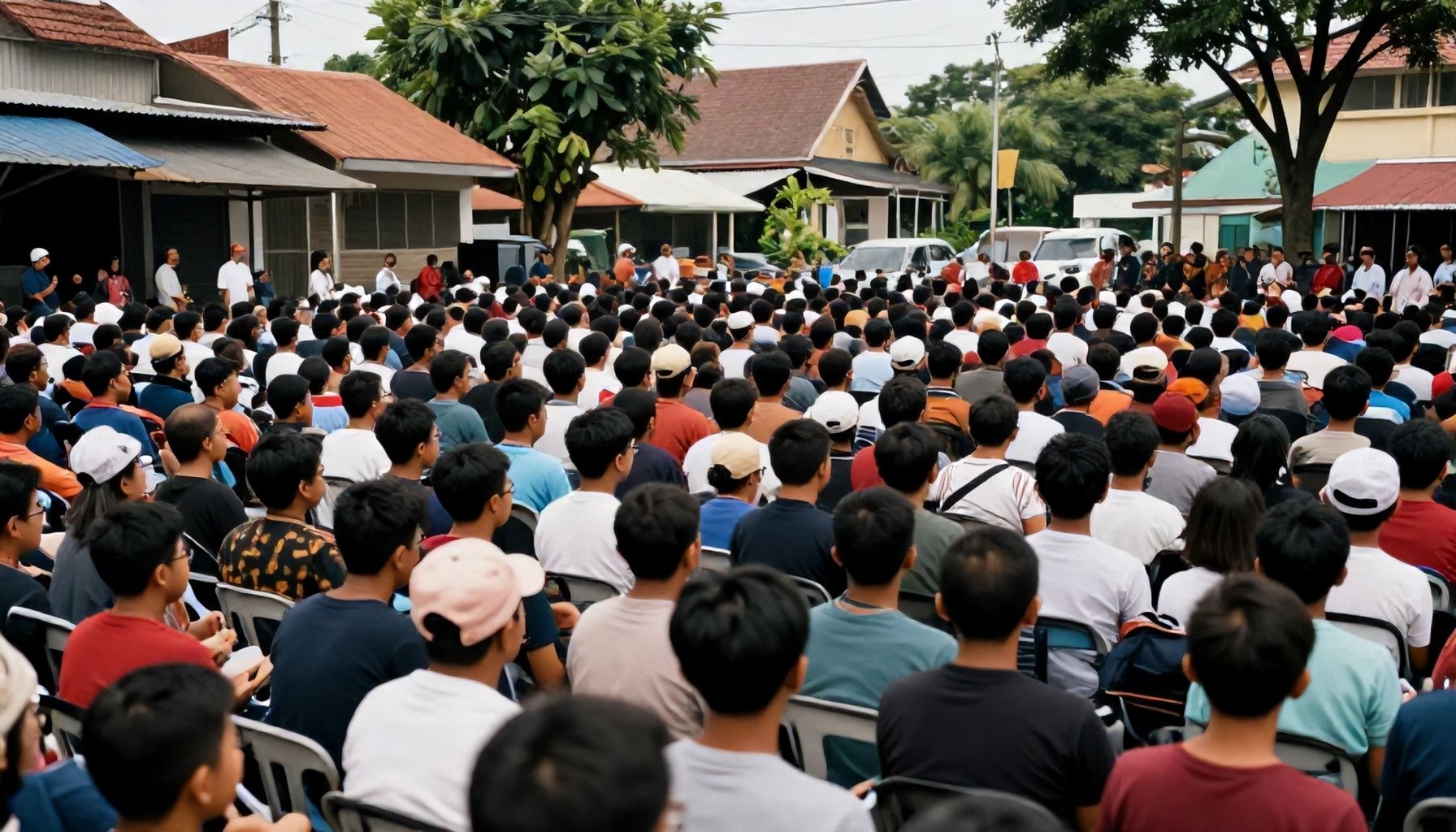
For millions of Indonesian speakers, Google Translate’s addition of 24 new languages promises to bridge communication gaps in daily life. From marketplaces to hospitals, these tools can facilitate interactions between speakers of different languages, fostering inclusivity and understanding. A 2022 study by the Indonesian Ministry of Education revealed that over 30 million people in Indonesia speak one of these newly added languages as their first language.
In healthcare, accurate translation can be lifesaving. Medical professionals can now better communicate with patients who speak lesser-known Indonesian languages, ensuring proper diagnosis and treatment. This advancement aligns with expert recommendations emphasizing the importance of language accessibility in critical services.
For travelers, the update offers a smoother experience. Navigating local markets or asking for directions just got easier. The addition of these languages also supports cultural preservation, allowing speakers to maintain their linguistic heritage in a digital age.
Education stands to benefit significantly. Students and educators can access a wider range of resources, breaking down language barriers in learning. This expansion reflects Google’s commitment to empowering communities through technology.
Challenges in preserving and digitizing indigenous languages
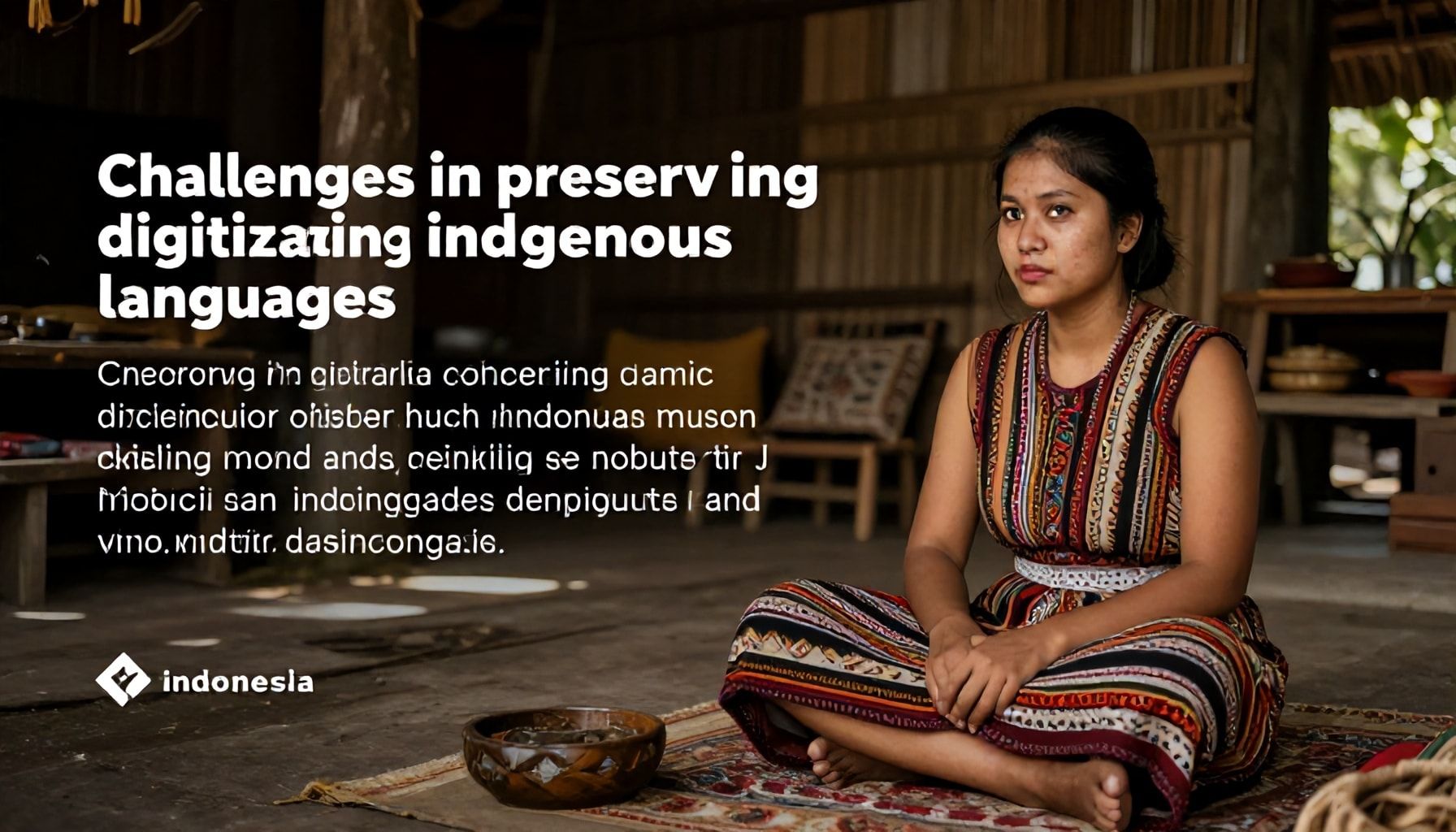
Preserving and digitizing Indonesia’s indigenous languages presents significant challenges. Many of these languages are spoken by small communities, often in remote areas with limited technological infrastructure. Linguists estimate that some languages have fewer than 1,000 speakers, making documentation and digitization efforts particularly daunting. The lack of written records or standardized orthographies further complicates the process.
Cultural and political factors also play a role. Some indigenous communities may be wary of outsiders documenting their languages, fearing exploitation or misrepresentation. Additionally, government policies have historically favored Indonesian as the national language, sometimes marginalizing indigenous languages in education and media. This has led to a decline in intergenerational transmission, with younger generations increasingly shifting to Indonesian.
Technological limitations pose another hurdle. High-quality audio and video recordings are essential for accurate language documentation, but many remote areas lack reliable electricity or internet connectivity. Even when recordings are made, processing and analyzing the data requires specialized software and expertise that may not be readily available. Despite these challenges, efforts to preserve Indonesia’s linguistic diversity are ongoing, with collaborations between linguists, technologists, and indigenous communities driving progress.
Future prospects for Indonesian languages in tech
The addition of 24 Indonesian languages to Google Translate marks a significant step toward preserving and promoting linguistic diversity in the tech sphere. These languages, primarily spoken by indigenous communities, have long been underrepresented in digital platforms. This inclusion could pave the way for greater accessibility and representation, fostering a more inclusive digital environment.
Experts suggest that this move could inspire other tech companies to follow suit. A linguistics professor from a prominent university highlighted that “the integration of these languages into mainstream technology can help prevent language extinction and empower native speakers.” With over 700 languages spoken across Indonesia, the potential impact is substantial.
Looking ahead, the future of Indonesian languages in tech appears promising. As machine learning algorithms improve, translation accuracy for these languages is expected to enhance. This progress could facilitate better communication, education, and cultural exchange, bridging gaps between different linguistic communities.
Moreover, the inclusion of these languages in tech platforms can drive economic opportunities. It enables native speakers to participate more fully in the digital economy, creating content, conducting business, and accessing information in their mother tongues. This linguistic empowerment can contribute to broader social and economic development.
Google Translate’s addition of 24 Indonesian languages marks a significant step toward bridging communication gaps in one of the world’s most linguistically diverse regions. This expansion not only preserves linguistic heritage but also fosters greater connectivity among Indonesia’s numerous ethnic groups. For travelers and researchers, this update offers a valuable tool to engage more deeply with local communities and cultural nuances. As technology continues to evolve, we can expect even more innovative solutions to emerge, further breaking down language barriers and promoting global understanding.