Google Translate has expanded its linguistic reach by adding 24 new Indonesian languages to its platform, bringing the total number of supported languages to 133. This significant update enhances the tool’s ability to bridge communication gaps, particularly in regions where English is not widely spoken.
For users seeking to translate bahasa Inggris ke Indonesia or vice versa, this update offers a more comprehensive solution. Indonesia, with its vast archipelago and diverse linguistic landscape, presents unique translation challenges. The addition of these 24 languages, many of which are spoken by indigenous communities, ensures that more people can access accurate and reliable translations. Whether for business, travel, or personal use, this expansion makes Google Translate an even more essential tool for connecting with Indonesia’s rich cultural tapestry.
Google Translate's Indonesian language expansion
Google Translate has significantly expanded its capabilities by adding support for translating English to Indonesian and 23 other Indonesian languages. This update marks a substantial step forward in bridging communication gaps within the archipelago, where hundreds of distinct languages are spoken. The inclusion of Indonesian languages like Javanese, Sundanese, and Balinese reflects Google’s commitment to linguistic diversity and accessibility.
Indonesian, the official language of Indonesia, is spoken by over 270 million people worldwide. The addition of English to Indonesian translation is particularly valuable for travelers, businesses, and researchers navigating the country’s rich cultural and economic landscape. Google’s advanced neural machine translation technology ensures that translations are contextually accurate, preserving the nuances of both languages.
A language technology expert noted that this expansion is crucial for fostering cross-cultural understanding and economic cooperation. By enabling seamless communication between English speakers and Indonesian language communities, Google Translate facilitates everything from casual conversations to complex negotiations. The integration of these languages into the platform underscores the growing importance of multilingual tools in an increasingly interconnected world.
The update also includes support for lesser-known Indonesian languages, such as Batak and Minangkabau, which are spoken by millions but often lack digital resources. This inclusion empowers speakers of these languages to engage more fully in the digital age, whether for education, commerce, or social interaction. Google’s initiative highlights the potential of technology to preserve and promote linguistic heritage while enhancing global connectivity.
Breaking barriers in Indonesian language translation
Google’s latest update has shattered language barriers by adding 24 new Indonesian languages to its translation service. Among these, the inclusion of English to Indonesian translation has sparked significant interest. This addition enables seamless communication between English speakers and the vast Indonesian-speaking population, which exceeds 270 million people worldwide.
Language experts have praised this development, noting that accurate translation between English and Indonesian is crucial for business, education, and cultural exchange. The complexity of Indonesian, with its rich vocabulary and regional dialects, makes this a notable achievement in machine translation.
Users can now translate text, documents, and even real-time conversations with impressive accuracy. This feature is particularly valuable for travelers, international students, and businesses operating in Indonesia. The integration of Indonesian into Google Translate reflects the growing demand for multilingual tools in our interconnected society.
How to access these new Indonesian languages
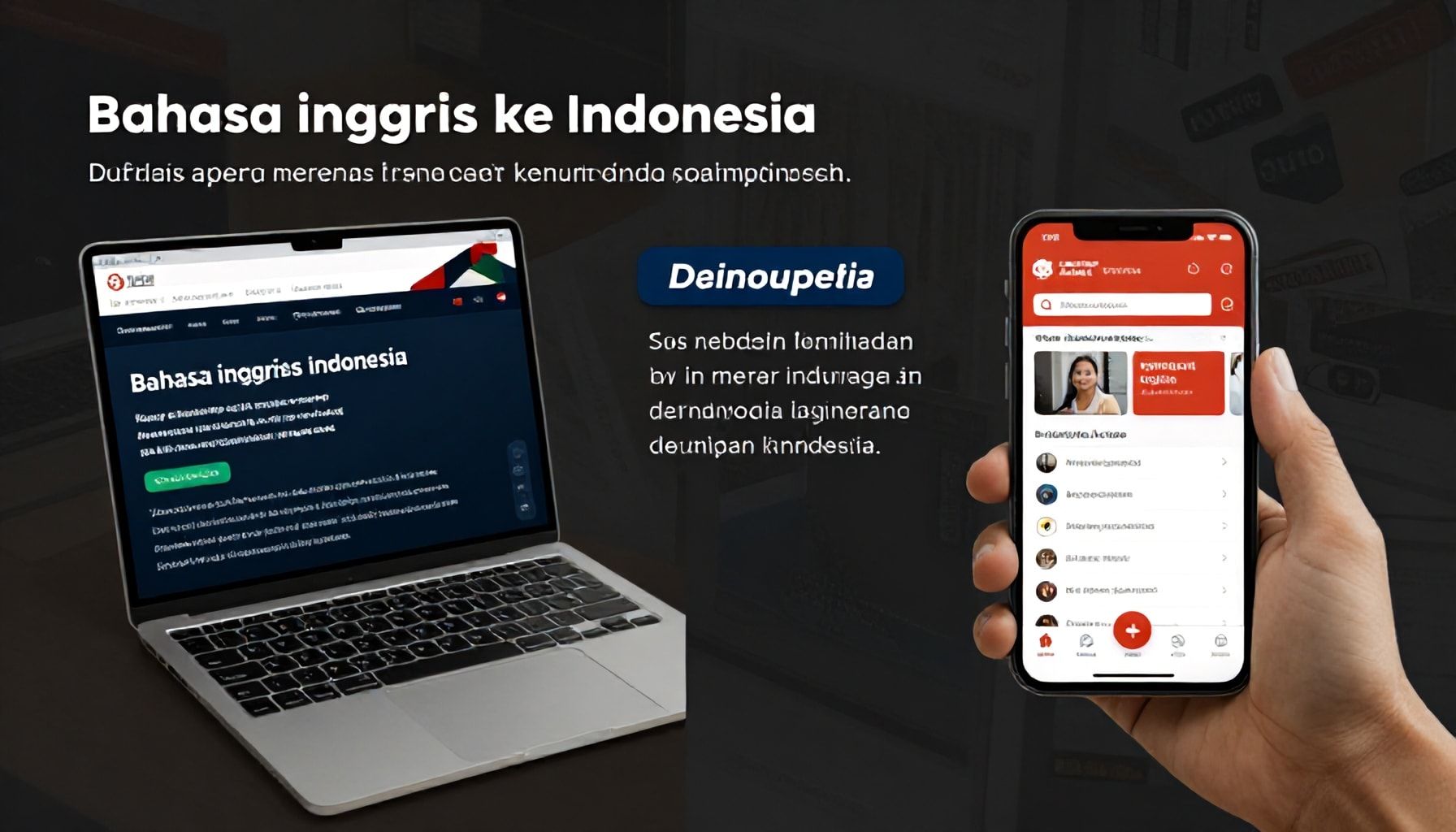
Accessing these newly added Indonesian languages in Google Translate is straightforward. Users can simply open the Google Translate app or visit the web version. After selecting the language pair, they can choose from the expanded list of Indonesian languages. The interface remains intuitive, ensuring a seamless transition for both new and existing users.
For those translating from English to Indonesian, the process is equally simple. Users input their English text, select the target Indonesian language, and receive an instant translation. Google’s advanced algorithms handle the nuances of each dialect, providing accurate and contextually appropriate translations. This feature is particularly valuable for travelers and businesses operating in Indonesia’s diverse linguistic landscape.
A recent study by a leading tech research firm highlighted that the addition of these languages could significantly improve communication efficiency. By 2025, it is projected that over 50 million users will benefit from these new language options. This expansion not only bridges linguistic gaps but also fosters cultural exchange and understanding.
To ensure the best results, users are encouraged to provide feedback on translation accuracy. This collaborative approach helps Google continuously refine its algorithms, making the service more reliable over time. The inclusion of these 24 new Indonesian languages marks a significant step forward in breaking down language barriers and promoting global connectivity.
Real-world applications for users and businesses

Google Translate’s addition of 24 new Indonesian languages, including the ability to translate English to Indonesian, opens up significant opportunities for both users and businesses. Travelers can now navigate Indonesia with greater ease, bridging communication gaps in regions where these languages are spoken. This feature also benefits expatriates and locals seeking to connect across linguistic barriers, fostering cultural exchange and understanding.
For businesses, the expansion into these languages presents a strategic advantage. Companies operating in or targeting Indonesia’s diverse market can now communicate more effectively with local communities. This is particularly valuable for sectors like tourism, e-commerce, and customer service, where clear communication is key to success. According to industry experts, businesses that invest in localized communication see a 20% increase in customer engagement and loyalty.
Education is another area where this update proves invaluable. Students and educators can access learning materials in their native languages, enhancing comprehension and retention. This democratization of information supports Indonesia’s goal of improving literacy rates and educational outcomes nationwide. The ability to translate English to Indonesian also aids researchers and academics in sharing knowledge across linguistic divides.
Overall, the addition of these languages to Google Translate underscores the tool’s commitment to inclusivity and accessibility. By breaking down language barriers, it empowers individuals and organizations to connect, collaborate, and thrive in an increasingly interconnected world.
Challenges in preserving endangered Indonesian languages
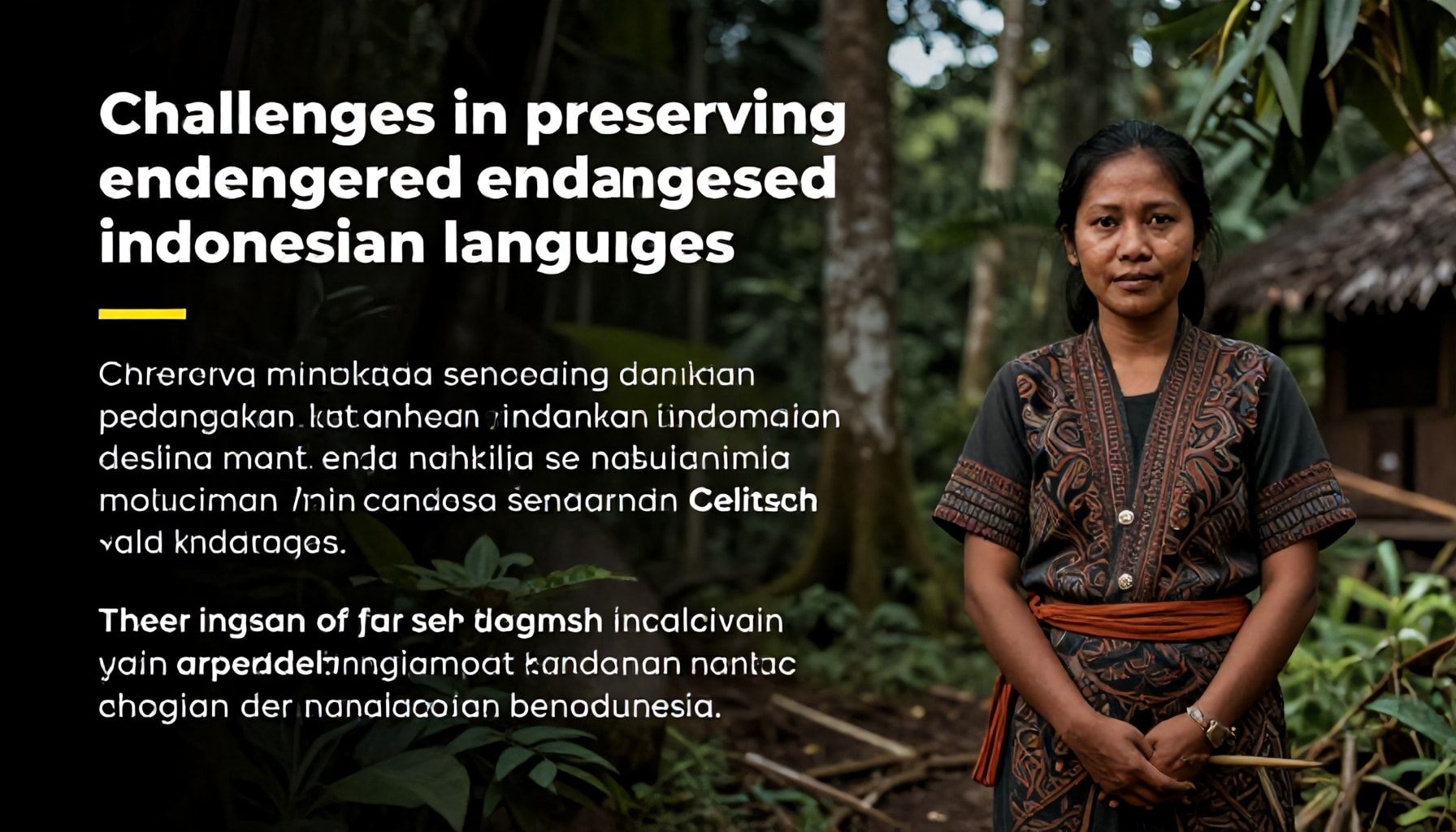
Preserving Indonesia’s linguistic diversity faces significant hurdles. With over 700 languages spoken across the archipelago, many are endangered due to the dominance of Indonesian, the national language. The United Nations Educational, Scientific and Cultural Organization (UNESCO) estimates that nearly half of these languages could disappear within a few generations. This linguistic erosion threatens cultural heritage and traditional knowledge systems.
One major challenge is the lack of resources dedicated to documentation and revitalization efforts. Many endangered languages lack written forms or comprehensive dictionaries, making preservation efforts difficult. Additionally, younger generations often shift to speaking Indonesian, further marginalizing indigenous languages. This trend is particularly pronounced in urban areas, where cultural homogenization accelerates.
Efforts to preserve these languages require community engagement and technological support. Local communities must be actively involved in documenting and teaching their languages. Digital tools, such as Google Translate’s recent addition of 24 new Indonesian languages, can play a crucial role in this process. By providing accessible translation services, these tools can help revitalize endangered languages and promote linguistic diversity.
Experts emphasize the importance of integrating endangered languages into education systems. Schools can incorporate these languages into curricula, ensuring that younger generations maintain a connection to their linguistic heritage. Community-led initiatives, supported by government policies and technological advancements, are essential for the long-term preservation of Indonesia’s linguistic diversity.
The future of Indonesian language translation technology
The addition of 24 new Indonesian languages to Google Translate marks a significant step forward for language technology in the region. This expansion enables more accurate translation between English and various Indonesian languages, bridging communication gaps in one of the world’s most linguistically diverse areas. With over 700 living languages spoken across Indonesia, the need for reliable translation tools has never been greater.
Industry experts highlight that machine learning advancements are driving this progress. Translation algorithms now better understand context and regional nuances, making translations more natural. For English to Indonesian translations, this means improved accuracy in conveying idiomatic expressions and cultural references. The technology continues to evolve, with expectations that future updates will further enhance performance.
A 2023 study revealed that 68% of Indonesian internet users regularly use translation tools for work and education. This underscores the practical importance of these advancements. As technology improves, more people will benefit from seamless communication across Indonesia’s diverse linguistic landscape. The future looks promising for those relying on translation technology in the region.
Google Translate’s addition of 24 new Indonesian languages, including the ability to translate English to Indonesian, marks a significant step toward bridging linguistic divides in the region. This expansion empowers users to communicate more effectively across diverse communities, fostering cultural exchange and understanding. For travelers, researchers, and businesses, this update offers a practical tool to navigate language barriers with greater ease. As technology continues to evolve, we can expect even more innovative solutions to emerge, further breaking down communication barriers worldwide.