Indonesia’s national football team stands on the brink of history, facing Japan in a high-stakes World Cup qualifier that could redefine the nation’s footballing trajectory. The match, set to take place at the iconic Gelora Bung Karno Stadium, presents a golden opportunity for Indonesia to make a statement on the international stage.
The Indonesia vs Japan clash is more than just a game; it’s a testament to the passion and resilience of Indonesian football. For a nation that has long been overshadowed by regional powerhouses, this qualifier offers a chance to prove their mettle against one of Asia’s footballing giants. The Indonesia vs Japan encounter is not just about securing a spot in the World Cup; it’s about inspiring a generation and elevating the sport to new heights in Indonesia.
Historic Rivalry Renewed

When Indonesia and Japan meet on the football pitch, history comes alive. The two nations share a complex past, and their sporting encounters often carry more weight than typical international matches. This World Cup qualifier is no different, with both teams eager to prove themselves on the global stage.
Japan has long been the dominant force in Asian football, boasting a reputation for technical skill and tactical discipline. Their senior team consistently ranks among the top in Asia, and their youth development programs are envied worldwide. However, Indonesia’s rise in recent years has been notable, with a new generation of players eager to challenge the status quo.
Indonesia’s journey to this point has been marked by resilience and determination. The team has shown impressive form in recent qualifiers, with a 3-2 victory over Saudi Arabia in 2023 highlighting their potential. “Indonesia’s attacking play has been a revelation,” noted a football analyst. “They’ve shown they can compete with the best in Asia.”
The stakes couldn’t be higher for both teams. For Japan, a victory would solidify their position as a top contender in the region. For Indonesia, a win would be a statement to the world that they are a force to be reckoned with. The stage is set for a clash that transcends sport, a battle steeped in history and pride.
Key Players to Watch

Indonesia’s hopes rest heavily on the shoulders of their captain, Evan Dimas. The 25-year-old midfielder has been instrumental in the team’s recent resurgence, providing both defensive solidity and attacking impetus. His ability to dictate play from midfield will be crucial against Japan’s technically gifted side. Dimas’ leadership and experience will be vital in rallying his teammates in what promises to be a fiercely contested match.
Japan, meanwhile, will look to their talisman Keisuke Honda to inspire them to victory. The 36-year-old forward, playing in his final international campaign, brings a wealth of experience and a proven goal-scoring record. Honda’s ability to create chances and score from distance makes him a constant threat. His performances in past qualifiers have often been the difference between success and failure for the Samurai Blue.
Another key player for Indonesia is striker Dimas Drajad. The 24-year-old has been in fine form recently, netting crucial goals for his club and country. His physical presence and aerial ability could trouble Japan’s defense, which has shown vulnerabilities in recent matches. Drajad’s partnership with Dimas will be pivotal in Indonesia’s attacking play.
For Japan, the midfield duo of Takumi Minamino and Wataru Endo will be crucial in controlling the tempo of the game. Their ability to link defense and attack, coupled with their work rate, will be essential in breaking down Indonesia’s defense. Minamino’s creativity and Endo’s defensive prowess make them a formidable pairing, according to football analysts.
Tactical Approaches Unveiled

Indonesia enters this crucial qualifier with a clear tactical blueprint. Head coach Shin Tae-yong is expected to deploy a 4-2-3-1 formation, emphasizing defensive solidity while looking to exploit Japan’s high defensive line with quick counterattacks. The Garuda squad will rely heavily on their pacey wingers, Evan Dimas and Marselino Ferdinan, to stretch the Japanese defense and create scoring opportunities.
Japan, meanwhile, is likely to stick with their familiar 4-3-3 system. Manager Hajime Moriyasu will count on his team’s technical superiority and possession-based approach to break down Indonesia’s defense. The Samurai Blue have shown a penchant for building attacks from the back, with their center-backs often stepping into midfield to create overloads.
A key battle will unfold in midfield, where Indonesia’s Ever Valencia and Japan’s Wataru Endo are expected to lock horns. The duel between these two industrious midfielders could dictate the tempo and control of the match. According to football analyst, “The team that gains the upper hand in midfield will have a significant advantage in this encounter.”
Both teams will also need to be wary of set-piece situations. Indonesia’s tall and physical defenders will look to neutralize Japan’s aerial threat, while the home side will aim to capitalize on any defensive lapses from the visitors. With just one point separating the two teams in the standings, every tactical nuance could prove decisive.
Fan Expectations and Atmosphere

The stadium in Jakarta hums with anticipation as Indonesia prepares to face Japan in a crucial World Cup qualifier. Fans, clad in vibrant red and white, wave flags and chant slogans, creating an electric atmosphere. The match carries significant weight, as Indonesia aims to secure a spot in the next round of qualifiers. The pressure is palpable, with supporters hoping for a strong performance from the home team.
Japan arrives with a formidable reputation, having consistently performed well in international competitions. Their disciplined play and tactical prowess make them a tough opponent. Indonesian players will need to bring their A-game to stand a chance against the Asian powerhouse. The match is not just about points; it’s about pride and national honor.
A sports analyst noted that Indonesia’s recent improvements in defense could be a game-changer. “Their defensive strategies have shown significant progress,” the analyst remarked. However, Japan’s attacking strength remains a concern. The Indonesian team will need to balance defense with effective offense to emerge victorious.
The crowd’s energy is infectious, with chants and cheers echoing through the stadium. The players feed off this energy, knowing that the support of their fans can be a powerful motivator. The atmosphere is a mix of excitement and tension, as everyone waits for the first whistle to blow. This match is more than just a game; it’s a moment that could define Indonesia’s footballing future.
Road Ahead for Both Teams
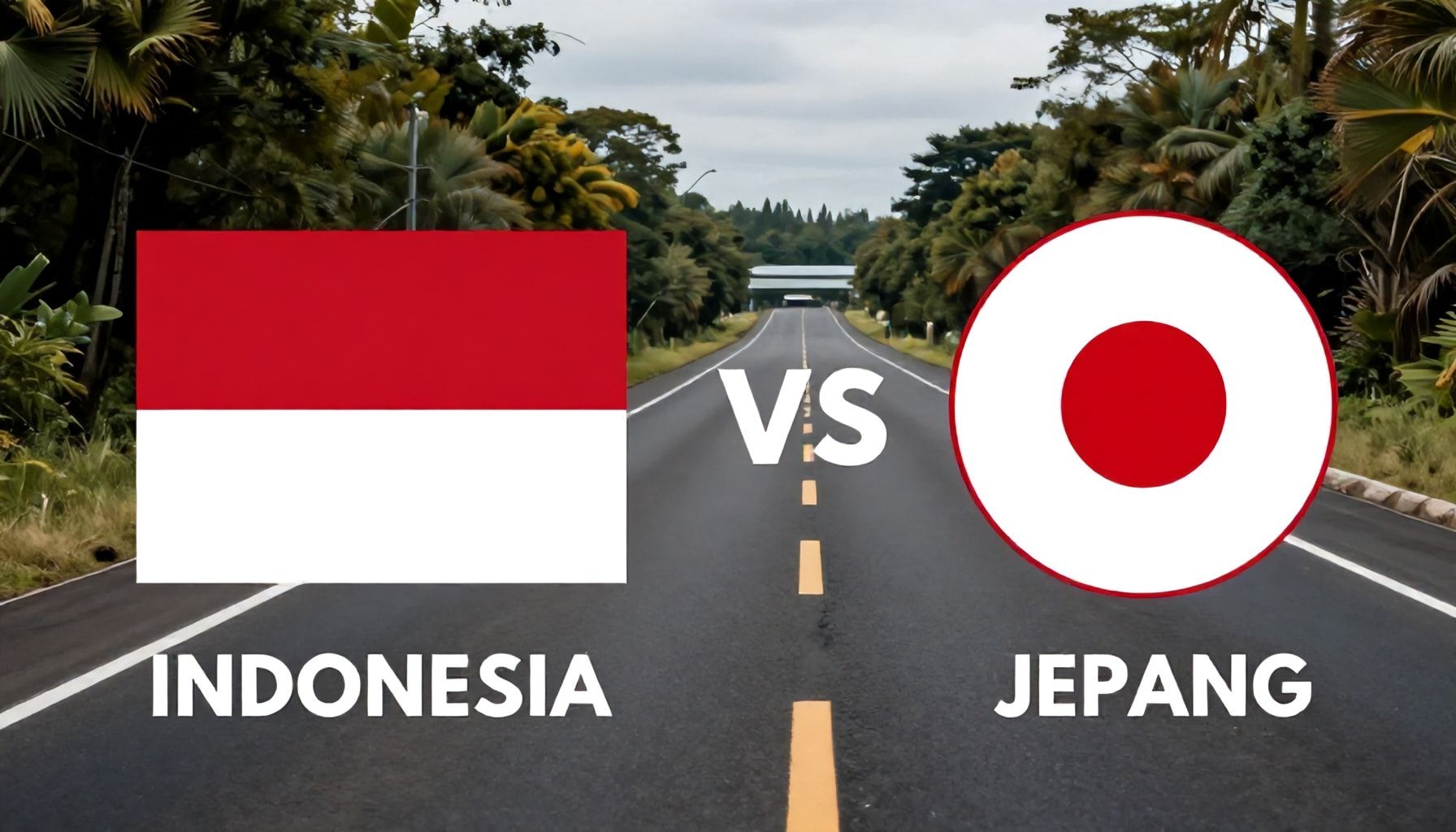
Indonesia enters this crucial match with a sense of optimism, riding a wave of momentum from their recent performances. The team has shown significant improvement under coach Shin Tae-yong, particularly in their defensive organization and counterattacking prowess. With home advantage at the Gelora Bung Karno Stadium, Indonesia will aim to capitalize on the passionate support of their fans. However, they face a formidable opponent in Japan, who have consistently been one of Asia’s top teams.
Japan, known for their technical prowess and tactical discipline, will look to maintain their strong record in World Cup qualifiers. The Samurai Blue have won 11 of their last 12 matches in the qualification stages, showcasing their consistency and quality. Their midfield, led by players like Wataru Endo and Ao Tanaka, will be crucial in controlling the game’s tempo. Japan’s ability to adapt to different opponents and conditions makes them a constant threat.
A key factor in this match could be Indonesia’s physicality and set-piece effectiveness. According to a recent analysis by a leading sports analytics firm, Indonesia has scored 35% of their goals from set pieces in their current qualification campaign. If they can replicate this against Japan, it could provide the home team with a significant advantage. However, Japan’s defensive record speaks for itself, with only three goals conceded in their last 10 matches.
The road ahead for both teams is clear. For Indonesia, a win could catapult them into contention for a top-two finish in their group, bringing them one step closer to their first World Cup appearance since 1938. Japan, on the other hand, will be looking to secure their place at the tournament with some games to spare, allowing them to focus on preparation for the finals. The stakes are high, and both teams will leave nothing on the field.
Impact on Regional Football Dynamics

The upcoming World Cup qualifier between Indonesia and Japan carries significant weight beyond the immediate stakes of securing a victory. This match represents a critical juncture in the evolving football dynamics of the region. Historically, Japan has dominated Asian football, consistently ranking among the top teams in the continent. However, Indonesia’s recent resurgence, marked by improved performances in regional tournaments, signals a shift in the balance of power.
Japan’s football infrastructure, renowned for its disciplined approach and technical prowess, has long set the benchmark in Asia. The Japanese national team’s success in international competitions underscores their dominance. Yet, Indonesia’s strategic investments in youth development and infrastructure hint at a promising future. The Indonesian team’s recent performances, particularly in the AFF Championship, demonstrate their growing competitiveness.
A victory for Indonesia would not only mark a historic milestone but also send a strong message to the region. It would challenge the traditional hierarchy and inspire other emerging football nations. According to a football analyst, “This match is more than just a qualifier; it’s a test of Indonesia’s progress and Japan’s consistency.” The outcome could reshape the regional football landscape, encouraging more nations to invest in their football programs.
The psychological impact of this encounter cannot be overstated. For Indonesia, a win would boost morale and attract more investment in the sport. For Japan, maintaining their dominance is crucial to their World Cup aspirations. The match promises to be a thrilling display of skill and determination, with far-reaching implications for Asian football.
The high-stakes World Cup qualifier between Indonesia and Japan has set the stage for a thrilling clash, with both teams eager to secure crucial points. Indonesian fans can expect a tough match against a technically superior Japanese side, but home advantage and the team’s recent progress could make this an exciting contest. Supporters should rally behind the team, creating an electric atmosphere at the stadium, while also managing expectations given Japan’s formidable reputation. This encounter will not only shape Indonesia’s qualification hopes but also serve as a significant milestone in their footballing journey.