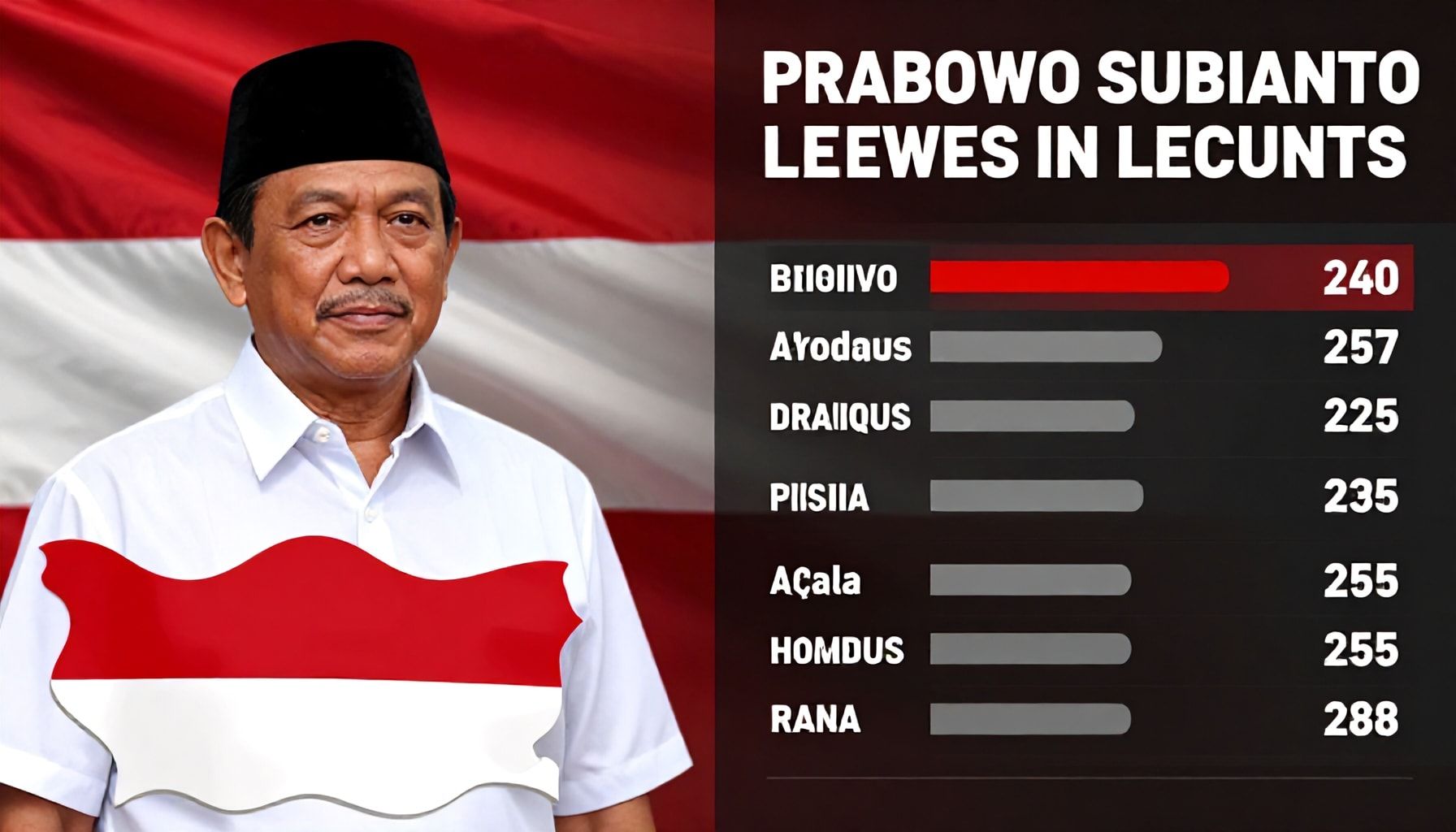
Prabowo Subianto, Indonesia’s defense minister and a former special forces commander, secured a commanding lead in the early counts of the 2024 presidential election. With over 55% of the votes counted, Subianto holds a significant advantage over his rival, Central Java Governor Ganjar Pranowo, who trails with around 28%. The election, held on February 14, saw a record turnout of over 195 million voters, reflecting the high stakes of this political showdown.
The outcome of Indonesia’s election carries global implications, particularly in the context of Indonesia vs regional power dynamics. As the world’s third-largest democracy, Indonesia’s political trajectory influences Southeast Asia’s stability and economic growth. The Indonesia vs narrative extends to domestic policies, with Subianto’s lead signaling potential shifts in economic strategies, foreign alliances, and social reforms. Voters’ choices will shape the country’s path for the next five years, making this election a pivotal moment in Indonesia’s democratic journey.
Indonesia's political landscape in 2024
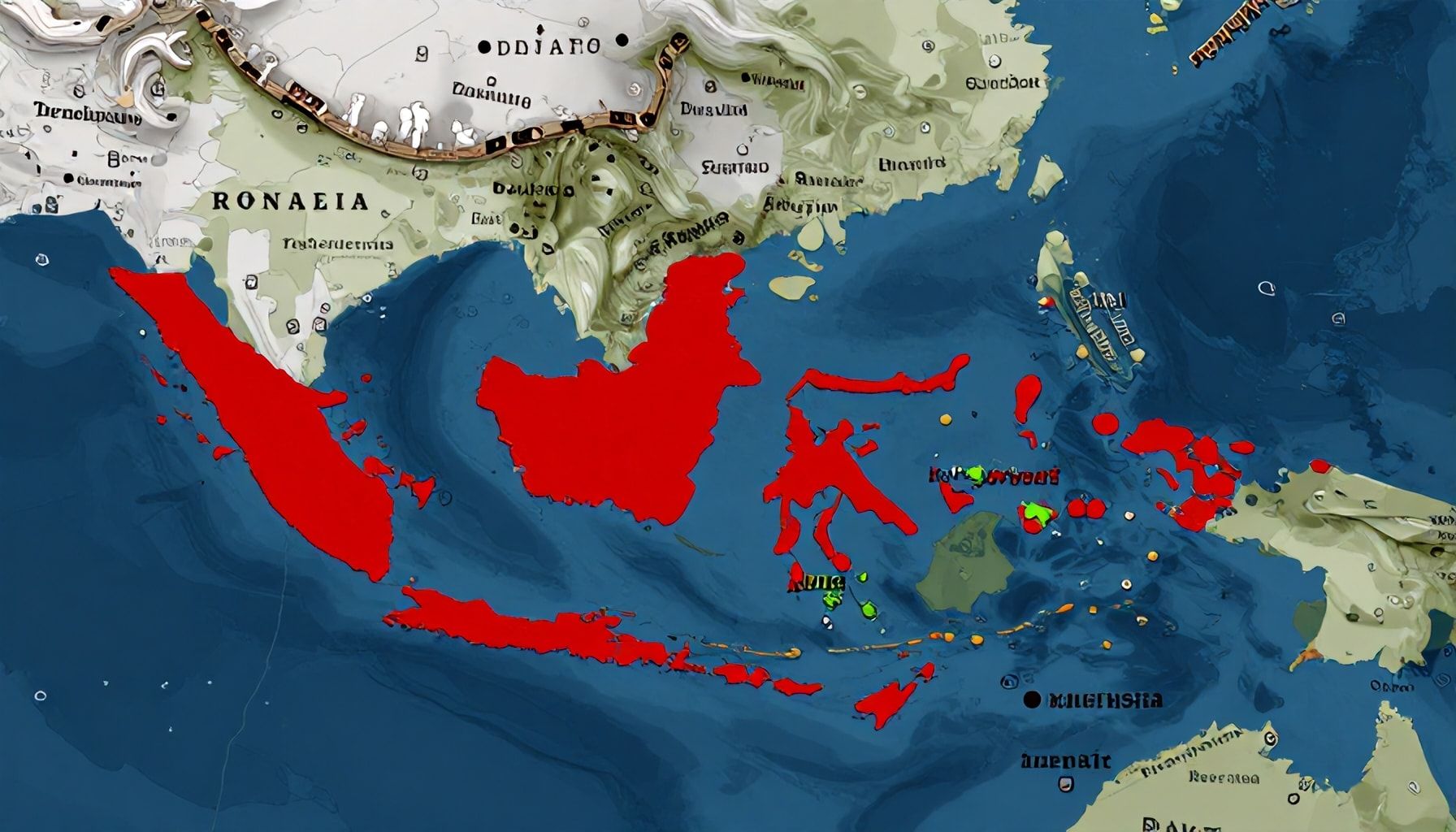
Indonesia’s political landscape in 2024 is marked by a dynamic interplay of established parties and emerging forces. The country’s democratic process has matured significantly since the fall of Suharto’s authoritarian regime in 1998. Today, it boasts a vibrant multiparty system, with the Indonesian Democratic Party of Struggle (PDI-P) and Golkar Party among the most prominent players. However, the landscape is increasingly shaped by younger generations and digital-savvy voters, demanding greater accountability and transparency from their leaders.
One notable shift is the rise of political parties focusing on specific issues, such as environmental conservation and youth empowerment. This trend reflects a broader global movement towards issue-based politics. According to a recent survey by a prominent Indonesian think tank, 68% of first-time voters in the 2024 election cited policy substance as a key factor in their voting decision. This marks a departure from the past, where voters often prioritized ethnic or regional affiliations.
Despite these changes, traditional power dynamics remain influential. Established parties still control significant resources and patronage networks. The 2024 election is a critical test for these parties, as they navigate the demands of a changing electorate. The outcome will not only determine the next president but also shape the trajectory of Indonesian politics for years to come.
Prabowo Subianto's early lead
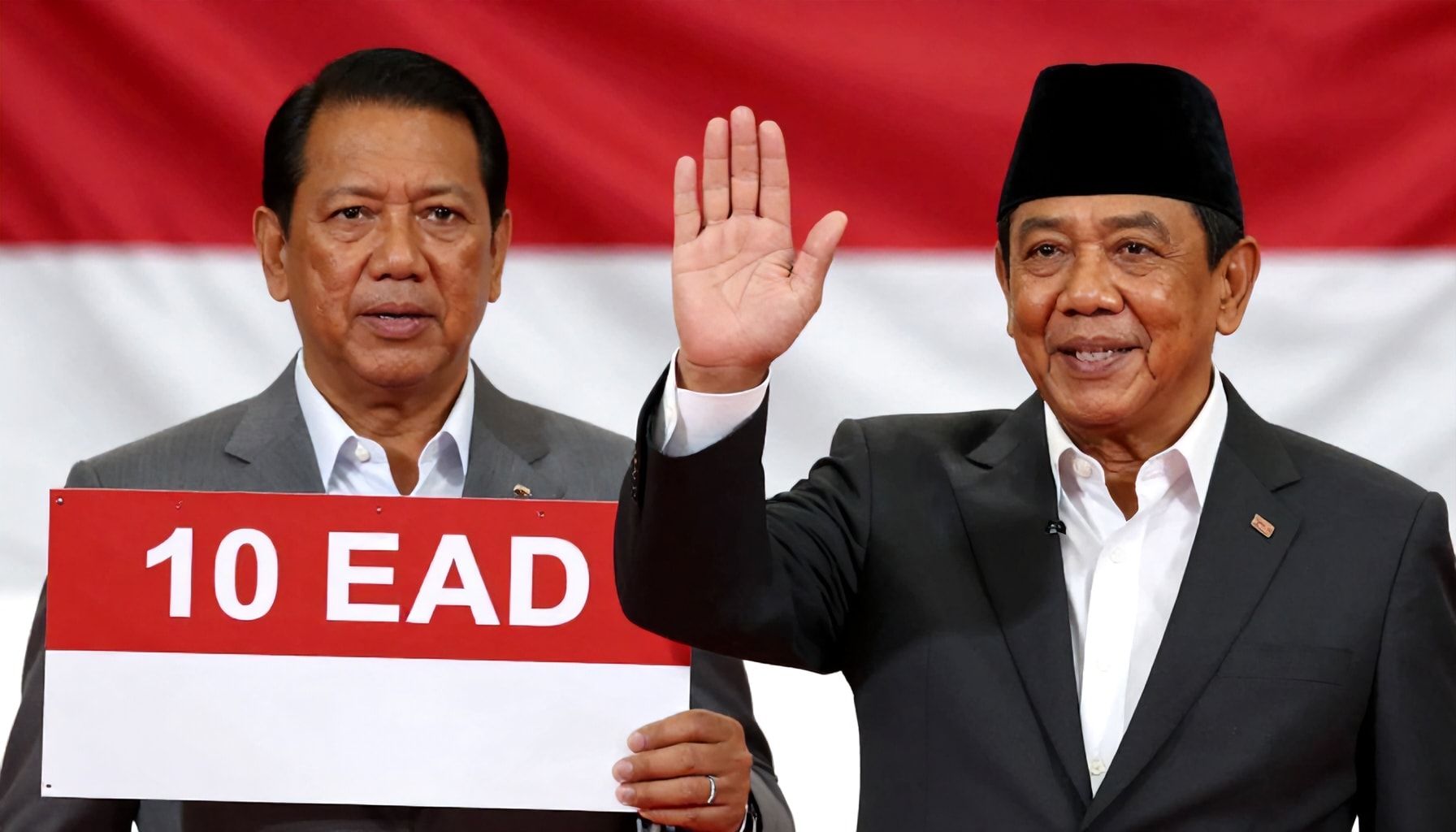
Prabowo Subianto, the former military general and current defense minister, has taken an early lead in Indonesia’s 2024 presidential election. With over 50% of the votes counted, Subianto has secured a significant advantage over his closest rival, Anies Baswedan. The quick count results, though unofficial, suggest a strong momentum behind Subianto’s campaign, which has been marked by promises of economic growth and nationalistic policies.
Subianto’s lead is attributed to his strong support in rural areas and among older voters. His campaign has effectively tapped into sentiments of national pride and stability, resonating with many Indonesians. Analysts note that his alliance with the ruling party and his extensive political experience have also played crucial roles in his early success.
A political scientist from a prominent Indonesian university highlighted that Subianto’s lead is not unexpected. “His campaign has been well-organized and strategically targeted key demographics,” the expert stated. The early results, however, do not guarantee a final victory, as the race remains tight in urban areas.
As the counting continues, Subianto’s team remains cautious, acknowledging the need to secure every vote. The final outcome will depend on the turnout in major cities like Jakarta, where Anies Baswedan has a strong following. The election commission is expected to announce the official results in the coming weeks, but the early lead has already set the tone for the rest of the race.
Voter turnout and key regions
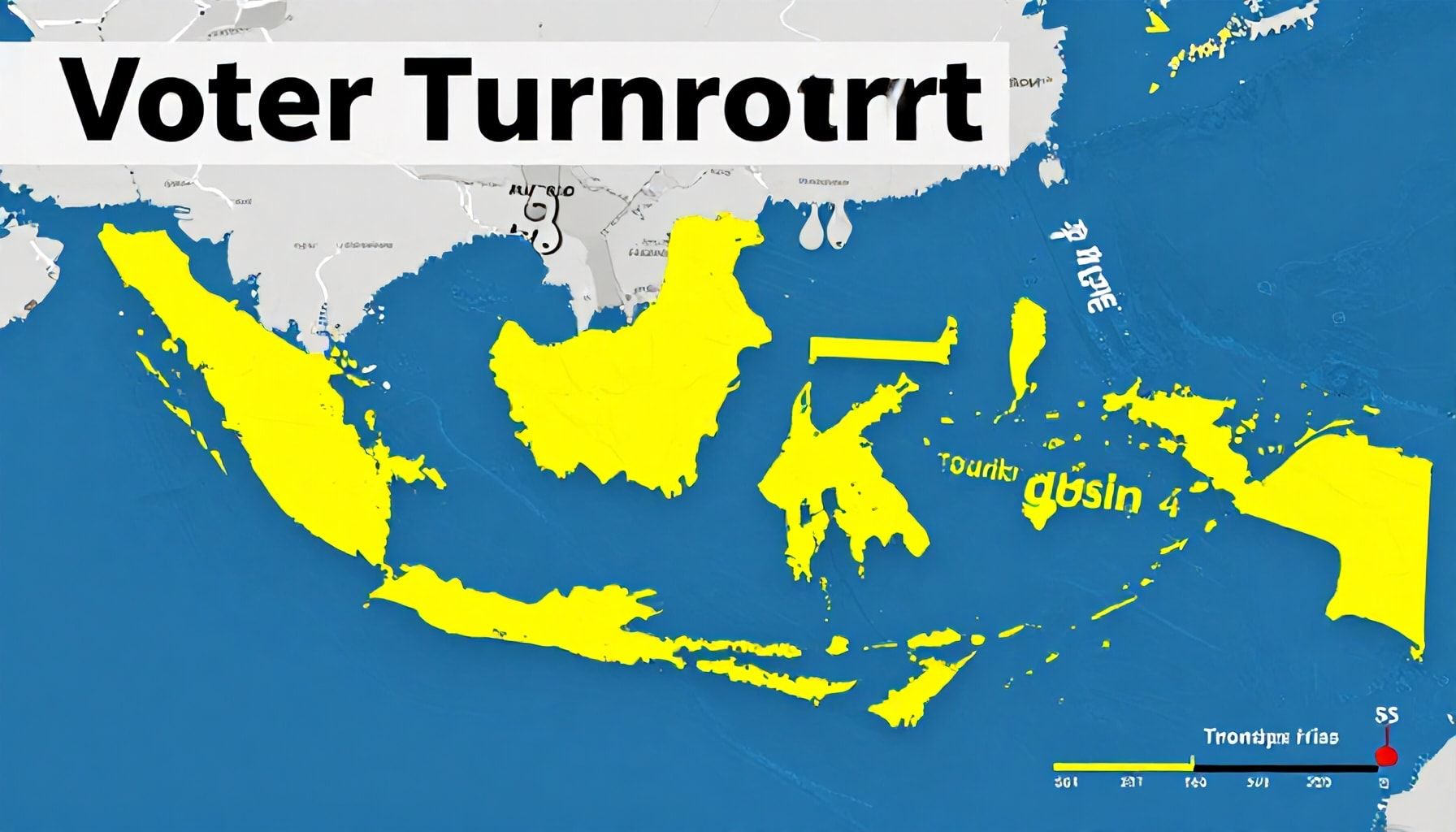
Voter turnout across Indonesia’s 193,000 polling stations showed a strong engagement, with preliminary reports indicating over 80% of the estimated 204 million eligible voters casting their ballots. This high participation reflects the election’s significance, as Indonesians turned out in droves to shape their nation’s future. Urban areas like Jakarta and Surabaya saw long lines at polling stations, while rural regions also reported robust turnout, underscoring the election’s nationwide importance.
Key regions played a pivotal role in the early counts. East Java, known for its swing voter base, emerged as a critical battleground. Analysts noted that the province’s diverse demographics and economic interests made it a barometer for national trends. Similarly, West Java, the most populous province, drew intense scrutiny, with its large Muslim population and significant economic weight influencing the overall outcome.
In contrast, regions like Papua and West Papua, which have historically faced logistical challenges, reported lower turnout. Despite these hurdles, officials emphasized the importance of including these regions in the democratic process. The election commission assured that measures were in place to ensure every vote was counted, regardless of the challenges.
As the counts continued, the focus remained on these key regions, with experts highlighting their potential to sway the final results. The early leads in these areas provided a glimpse into the electoral landscape, setting the stage for the official announcement of the winner. The nation watched closely, awaiting the final tally that would determine Indonesia’s leadership for the next five years.
International observers' initial reactions
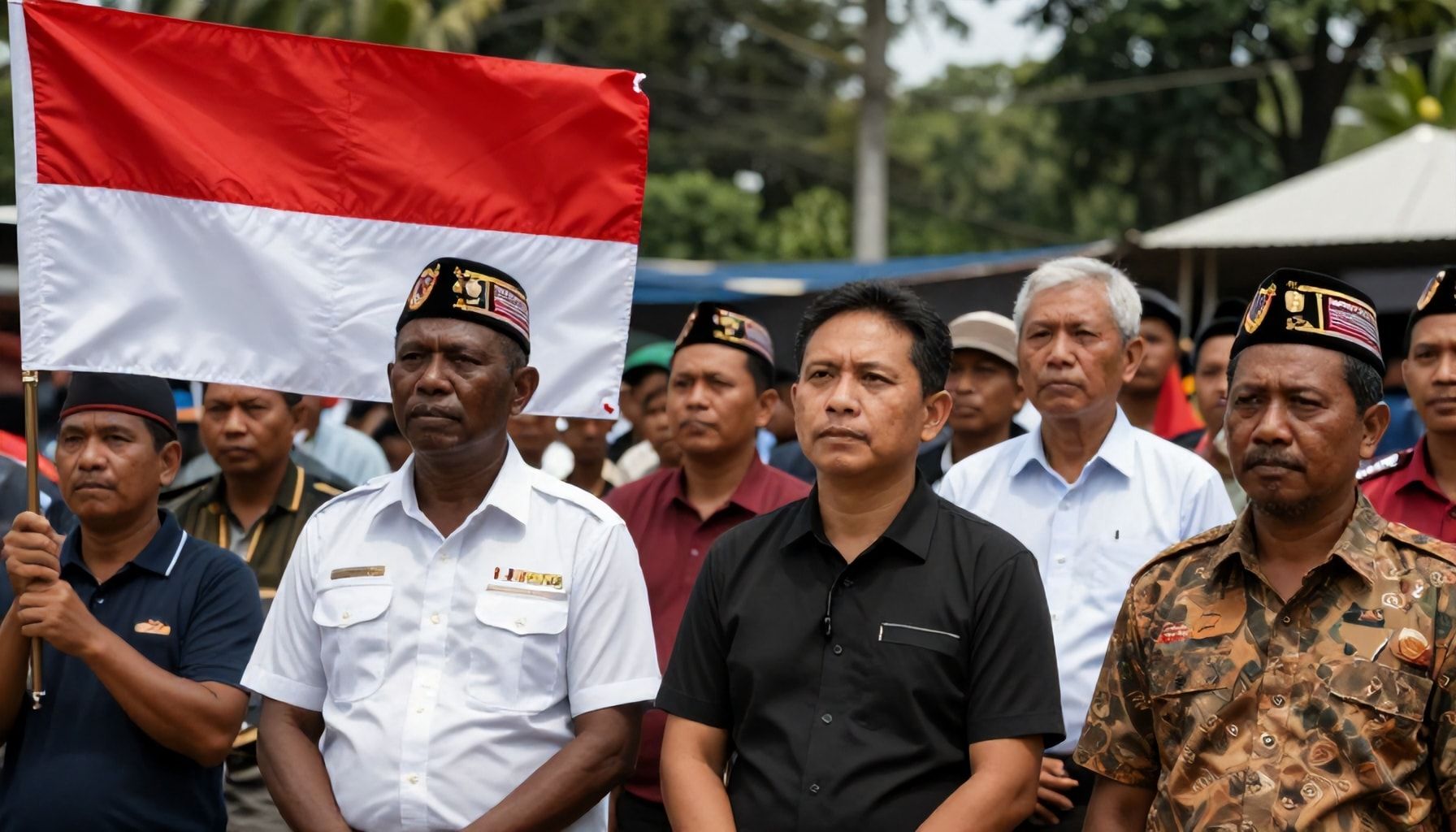
International observers have closely monitored Indonesia’s 2024 election, with early reactions focusing on the lead of Prabowo Subianto. The Asia Foundation’s preliminary assessment highlights the peaceful conduct of polling, noting that voter turnout reached approximately 78%, slightly lower than the previous election but still substantial. Observers praised the orderly process, though some expressed concerns about the lead-up period’s political tensions.
Analysts from the Australian Strategic Policy Institute pointed to Prabowo’s early lead as a reflection of his strong rural support base. They noted that his campaign’s focus on economic nationalism resonated with many voters outside major urban centers. However, they cautioned that the final outcome remains uncertain, as urban and younger voters may yet shift the balance.
Human Rights Watch raised questions about the fairness of the campaign environment, citing reports of intimidation and unequal media access. Their statement emphasized the need for transparency in the vote-counting process to ensure public trust. Despite these concerns, most international observers agreed that the election demonstrated Indonesia’s democratic resilience.
Meanwhile, the Carter Center commended Indonesia’s election commission for its efforts to maintain neutrality. They highlighted the commission’s use of technology to streamline vote counting, though they urged continued vigilance against potential irregularities. The center’s preliminary report suggested that the election results could set a precedent for future democratic processes in Southeast Asia.
Challenges ahead for the winning candidate

Prabowo Subianto’s lead in Indonesia’s 2024 election early counts presents a significant milestone, yet the path ahead remains fraught with challenges. The winning candidate will inherit an economy grappling with inflation and slowing growth. With inflation rates hovering around 4.5% in early 2024, according to Indonesia’s Central Statistics Agency, the new president will need to implement effective policies to stabilize prices and stimulate economic activity.
Political consolidation is another hurdle. Prabowo’s Gerindra Party holds only a fraction of parliamentary seats, necessitating broad coalitions to pass legislation. Analysts suggest that building these alliances will require delicate negotiations and potential compromises on key policies. The ability to navigate Indonesia’s complex political landscape will be crucial for the new administration’s success.
Social and environmental issues also demand immediate attention. From addressing inequality to managing the impacts of climate change, the winning candidate faces a daunting agenda. Effective governance will hinge on balancing short-term needs with long-term sustainability. The new president must prioritize policies that foster inclusive growth and protect Indonesia’s natural resources.
Security concerns, particularly in regions like Papua, pose additional challenges. The new administration will need to address underlying grievances and implement strategies to ensure stability. Success in this area will require a nuanced approach that combines security measures with efforts to promote development and social cohesion. The stakes are high, and the winning candidate’s ability to tackle these issues will shape Indonesia’s future trajectory.
What comes next for Indonesia
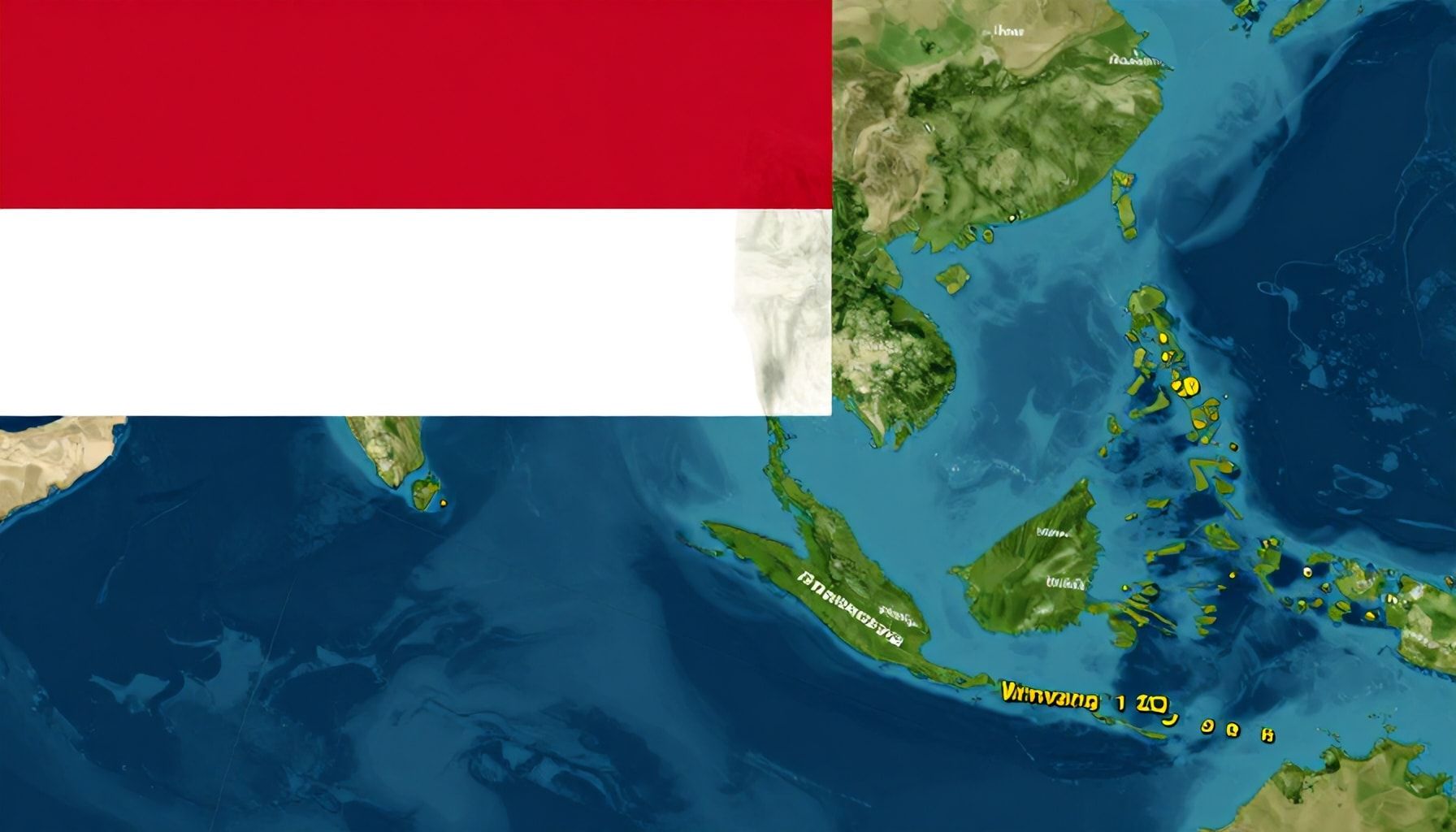
Indonesia’s 2024 election has set the stage for a potential leadership change, with Prabowo Subianto emerging ahead in early vote counts. As the nation awaits final results, attention turns to what this shift could mean for the country’s future. Prabowo’s campaign promises have focused on economic growth and national sovereignty, which could reshape Indonesia’s domestic and foreign policies.
A political scientist from a prominent Indonesian university suggests that Prabowo’s leadership might bring a more assertive stance in regional affairs. With Indonesia’s growing influence in Southeast Asia, this could lead to stronger diplomatic initiatives. However, analysts warn that economic policies will be crucial, as Indonesia faces challenges in reducing inequality and creating jobs for its burgeoning youth population.
One key area to watch is infrastructure development. Prabowo has pledged to accelerate projects like the new capital city in East Kalimantan. Success in this area could boost investor confidence and drive economic growth. Yet, critics argue that corruption and bureaucratic inefficiencies remain significant hurdles.
Indonesia’s election has also highlighted the country’s demographic divide. Prabowo’s support was strongest among older voters, while younger Indonesians leaned toward reformist candidates. This generational gap could influence policy priorities in the coming years. With nearly 70% of the population under 40, addressing youth unemployment and education will be critical.
As Indonesia’s 2024 election results continue to roll in, Prabowo Subianto’s early lead signals a potential shift in the country’s political landscape. With over 60% of the votes counted, his campaign’s focus on economic growth and national sovereignty appears to have resonated with many voters. For those following the election, staying informed through reliable news sources and official government channels is crucial as the final results are tallied. The coming days will reveal whether this early momentum translates into a decisive victory or sets the stage for a closely contested race.