The scent of dates and the sound of Arabic calligraphy fill the air as Indonesia’s Arab community marks a century of cultural exchange. This vibrant community, with roots stretching back to the early 1900s, has woven a rich tapestry of traditions, faith, and commerce into the fabric of Indonesian society.
The story of the Indonesia Arab community is one of resilience and adaptation. Descendants of traders, scholars, and pilgrims from the Arabian Peninsula, this community has preserved its heritage while embracing Indonesian culture. Their influence spans cuisine, architecture, and education, creating a unique blend that fascinates locals and visitors alike. From the bustling markets of Jakarta to the serene mosques of Surabaya, the Indonesia Arab community’s impact is undeniable, offering a window into a world where East meets Middle East.
A Century of Arab-Indonesian Bonds
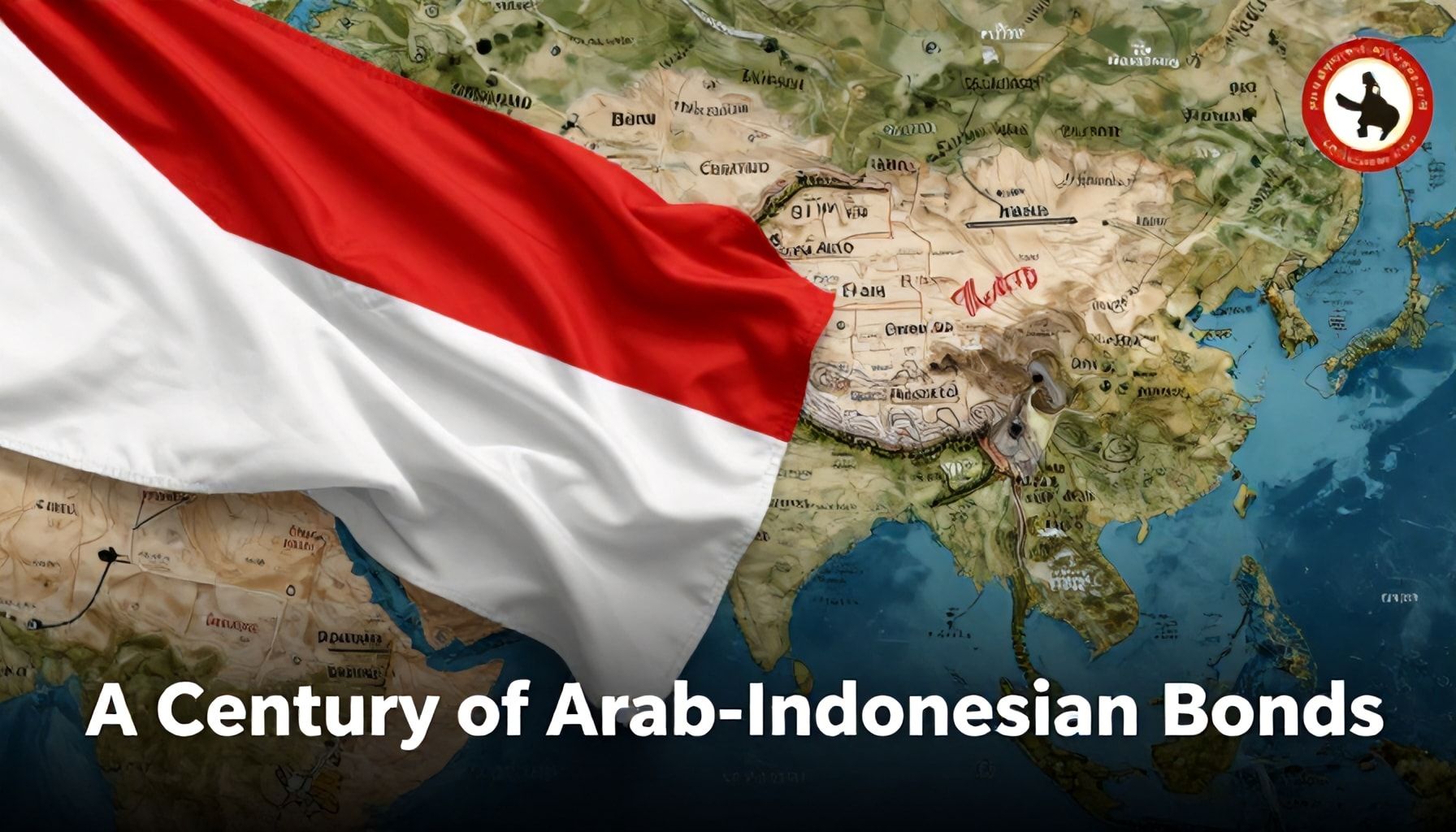
The Arab-Indonesian relationship spans over a century, rooted in trade, religion, and shared cultural values. This bond began in the early 20th century when Arab traders, primarily from Hadhramaut, established communities across the Indonesian archipelago. They brought with them not just goods, but also Islamic scholarship and architectural influences that still resonate today. The first Arab immigrants arrived in the 1920s, seeking economic opportunities and a place to practice their faith freely.
According to historical records, by the 1930s, Arab-Indonesian communities had flourished, particularly in cities like Surabaya, Medan, and Jakarta. These communities built mosques, schools, and cultural centers that served as hubs for social and religious activities. The exchange of ideas and traditions between Arabs and Indonesians during this period laid the foundation for a lasting cultural exchange that continues to this day.
A scholar of Southeast Asian studies notes that the Arab-Indonesian relationship is unique in its depth and longevity. Unlike other diaspora communities, Arabs in Indonesia integrated seamlessly into local society while preserving their cultural heritage. This dual identity has enriched both communities, fostering mutual respect and understanding. Today, the Arab-Indonesian bond is celebrated through festivals, cultural events, and educational exchanges that highlight their shared history.
Over the past century, the Arab-Indonesian relationship has evolved, adapting to political and social changes. Despite challenges, the community has maintained strong ties with both Indonesia and their countries of origin. This resilience is a testament to the enduring nature of their bond, which continues to thrive in the 21st century. The celebration of 100 years of cultural exchange is a moment to reflect on this rich history and look forward to future collaborations.
Tracing the Roots of Arab Migration

The story of Indonesia’s Arab community traces back to the late 19th century, when traders and scholars from the Hadhramaut region of Yemen began arriving in the archipelago. These early migrants, known as Arab Hadhrami, established themselves in key trading ports like Surabaya, Makassar, and Medan. Their arrival marked the beginning of a cultural exchange that would shape Indonesia’s diverse societal fabric.
According to historical records, the first significant wave of Arab migration occurred between 1880 and 1930. This period saw approximately 3,000 Hadhrami migrants settling in Indonesia, bringing with them Islamic teachings, architectural styles, and culinary traditions. Their influence extended beyond commerce, permeating local cultures and leaving an indelible mark on Indonesian society.
Scholars note that Arab migrants played a pivotal role in the spread of Islam in Indonesia. Many became religious leaders, establishing pesantren (Islamic boarding schools) and madrasahs that continue to operate today. Their contributions to education and religious scholarship remain a cornerstone of Indonesia’s Islamic heritage.
Cultural Fusion in Daily Life

The Arab community in Indonesia has seamlessly woven its cultural heritage into the vibrant tapestry of daily life. From the bustling streets of Jakarta to the serene villages of Java, Arab-Indonesian influences permeate local customs, cuisine, and architecture. The community’s contributions have fostered a unique cultural fusion, enriching Indonesia’s diverse cultural landscape.
Arab-Indonesian cuisine stands out as a testament to this cultural exchange. Dishes like “klepon” and “serabi” bear the distinct flavors of Middle Eastern spices, blending harmoniously with Indonesian ingredients. According to a cultural anthropologist, this culinary fusion reflects the community’s adaptability and integration over the past century.
Religious practices also highlight the community’s impact. Mosques with distinctive Arab architectural elements dot the Indonesian landscape, serving as both places of worship and cultural landmarks. These structures symbolize the community’s deep-rooted presence and its role in shaping Indonesia’s religious diversity.
Language further illustrates this cultural fusion. Arabic phrases and words have been incorporated into local dialects, creating a linguistic blend that is uniquely Indonesian. This linguistic exchange underscores the community’s enduring influence and its harmonious coexistence with the broader population.
The Arab community’s cultural contributions continue to thrive, celebrated through festivals, art, and daily interactions. This ongoing exchange underscores the community’s significant role in Indonesia’s cultural narrative, marking a century of mutual enrichment and shared heritage.
Religious and Educational Institutions

The Arab community in Indonesia has significantly influenced the country’s religious and educational landscape over the past century. Islamic schools, known as pesantren, have incorporated Arabic language and Islamic studies into their curricula, fostering a deeper understanding of Arab culture. These institutions serve as hubs for cultural exchange, attracting students from diverse backgrounds eager to learn about the Arab world.
One notable example is the Al-Azhar University branch in Jakarta, established to provide advanced Islamic education. The university has become a beacon for scholars seeking to bridge the gap between Indonesian and Arab academic traditions. According to a recent study, over 5,000 students have graduated from this institution, many of whom have gone on to become prominent religious leaders and educators.
Religious institutions also play a crucial role in maintaining cultural ties. Mosques and Islamic centers often host Arab scholars and imams, who share their knowledge and experiences with local communities. These interactions have enriched Indonesia’s religious discourse, promoting a more inclusive and informed understanding of Islam.
Educational exchanges have further strengthened these bonds. Many Indonesian students have traveled to Arab countries for higher education, bringing back valuable insights and skills. Conversely, Arab educators have visited Indonesia, contributing to the development of local educational programs. This mutual exchange has created a dynamic and collaborative learning environment.
Challenges and Opportunities Today

Indonesia’s Arab community, while relatively small, faces unique challenges in maintaining cultural identity. With an estimated 200,000 to 300,000 people of Arab descent, integration into Indonesian society has led to a gradual dilution of Arabic traditions. Younger generations, in particular, struggle to balance their heritage with modern Indonesian culture. Language preservation remains a significant hurdle, as fewer community members actively speak Arabic.
Despite these challenges, opportunities for cultural exchange abound. The annual Arab-Indonesian cultural festival draws thousands, fostering mutual understanding. Entrepreneurs of Arab descent have successfully blended traditions with local business practices, creating unique ventures. These efforts highlight the community’s adaptability and resilience.
Experts note the importance of documentation and education in preserving Arab-Indonesian heritage. Community leaders advocate for more inclusive history curricula. By celebrating shared values and contributions, the community can bridge cultural gaps. This approach ensures that the legacy of Arab-Indonesian exchange endures for future generations.
Looking ahead, the community’s role in global cultural diplomacy grows. Indonesia’s strategic position in Southeast Asia offers a platform for Arab-Indonesian voices. Through collaboration and innovation, the community can shape a more interconnected future. The next century promises even greater opportunities for exchange and mutual growth.
Preserving Heritage for Future Generations

Indonesia’s Arab community has long recognized the importance of preserving its rich cultural heritage. Through initiatives like language schools and cultural centers, they ensure that traditions are passed down to younger generations. These efforts foster a sense of identity and belonging among Arab-Indonesians, strengthening their connection to their roots.
Educational programs play a pivotal role in this preservation. Arabic language classes, for instance, are in high demand, with over 50,000 students enrolled nationwide. These programs not only teach language skills but also delve into the cultural and historical aspects of the Arab world. According to cultural anthropologists, such initiatives are crucial for maintaining cultural continuity in diaspora communities.
Cultural festivals and events serve as vibrant platforms for heritage preservation. The annual Arab-Indonesian Cultural Festival, for example, showcases traditional music, dance, and cuisine. These events attract thousands of participants, providing an immersive experience that educates and entertains. By celebrating their heritage publicly, the Arab community in Indonesia ensures its legacy endures.
Community leaders emphasize the role of storytelling in preserving heritage. Elders share tales of migration, adaptation, and cultural exchange, passing down invaluable wisdom. These narratives create a living history, connecting past and present. Through these efforts, Indonesia’s Arab community ensures that its cultural legacy remains vibrant and relevant for future generations.
The celebration of Indonesia’s Arab community’s centenary underscores the profound cultural exchange that has enriched both nations, fostering understanding and unity. This milestone invites travelers and cultural enthusiasts to explore the vibrant Arab-Indonesian heritage, from the bustling Arab Quarter in Jakarta to the annual Festival Arab Indonesia. As the community looks forward to the next century, it stands as a testament to the enduring power of cultural exchange in an increasingly interconnected world.