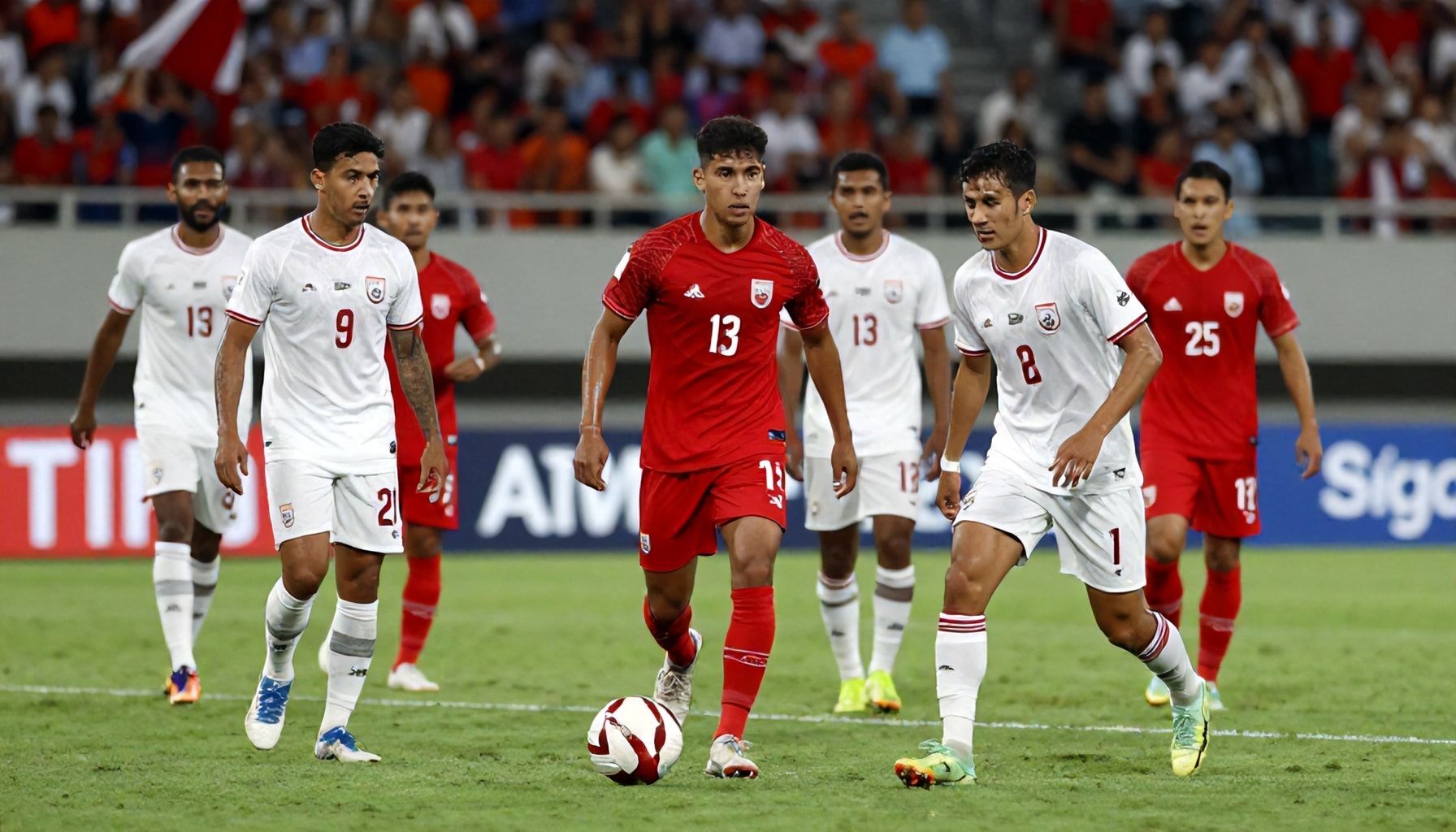
Indonesia’s national football team, affectionately known as Timnas Indonesia, is setting its sights on a historic milestone: qualification for the 2026 FIFA World Cup. The last time the team secured a spot in the tournament was in 1938, when the nation was still under Dutch colonial rule. Now, with a new generation of players and a renewed sense of determination, Timnas Indonesia is ready to make its mark on the global stage once again.
The journey to the 2026 World Cup is not just about football; it’s about national pride and unity. For Indonesian fans, Timnas Indonesia represents more than just a team—it’s a symbol of hope and aspiration. The team’s performances resonate deeply with the country’s diverse population, transcending regional and cultural divides. As Timnas Indonesia prepares for the qualifying rounds, the entire nation watches with bated breath, eager to see their team take on the world’s best and bring glory back home.
A Legacy of Struggle and Hope

Indonesia’s national football team, affectionately known as Timnas, carries a legacy steeped in struggle and hope. The team’s journey is marked by periods of triumph and disappointment, reflecting the nation’s enduring passion for the beautiful game. In the 1930s, Indonesia, then the Dutch East Indies, made its debut in the FIFA World Cup, a feat not repeated until the modern era.
For decades, Timnas faced numerous challenges, from political turmoil to infrastructure limitations. The team’s absence from the global stage was a source of frustration for fans. However, the 2007 AFC Asian Cup marked a turning point. Under the guidance of legendary coach Alfredo Riedl, Timnas reached the quarter-finals, igniting a wave of optimism. This achievement remains a testament to the team’s resilience and the unwavering support of Indonesian football enthusiasts.
A report by the Asian Football Confederation highlights that Indonesia’s youth development programs have shown significant improvement. This progress is crucial for Timnas’ aspirations in the 2026 World Cup. The team’s recent performances in international friendlies and qualifiers demonstrate a renewed determination. Fans hope that this time, Timnas will not only qualify but also make a memorable impact on the global stage.
The road to the 2026 World Cup is fraught with challenges, but Timnas’ legacy of struggle and hope fuels their ambition. The team’s journey is a reflection of Indonesia’s own story—a narrative of perseverance, unity, and the unyielding spirit of its people. As the countdown to the qualifiers begins, the nation watches with bated breath, ready to rally behind their team once again.
The Road to 2026: Key Challenges
Indonesia’s national football team, Timnas, faces an uphill battle in their quest to qualify for the 2026 World Cup. The journey begins with navigating the complex qualification process, which includes regional and continental stages. With 48 teams set to compete in the 2026 tournament, the competition will be fiercer than ever. Timnas must first secure a top spot in the AFC’s qualification rounds to advance.
One of the most significant challenges lies in the team’s current FIFA ranking. As of now, Indonesia sits outside the top 100, which could impact their seeding and draw in the qualification stages. A lower ranking means potentially tougher opponents from the outset. Experts suggest that improving their ranking through regional tournaments and friendlies will be crucial in the lead-up to qualification matches.
Infrastructure and resources pose another hurdle. While Indonesia has a passionate football culture, the development of youth academies and training facilities lags behind other Asian powerhouses. Investing in grassroots programs and modernizing training facilities could bridge this gap. The Indonesian Football Association (PSSI) has outlined plans to address these issues, but progress will be key in the coming years.
Finally, consistency in performance and management will be vital. Timnas has shown flashes of potential but has struggled with inconsistency in recent years. A stable coaching staff and a clear vision for player development will be essential. The road to 2026 is long, but with strategic planning and a focus on improvement, Timnas can aim to make history.
Strategic Changes Under New Leadership
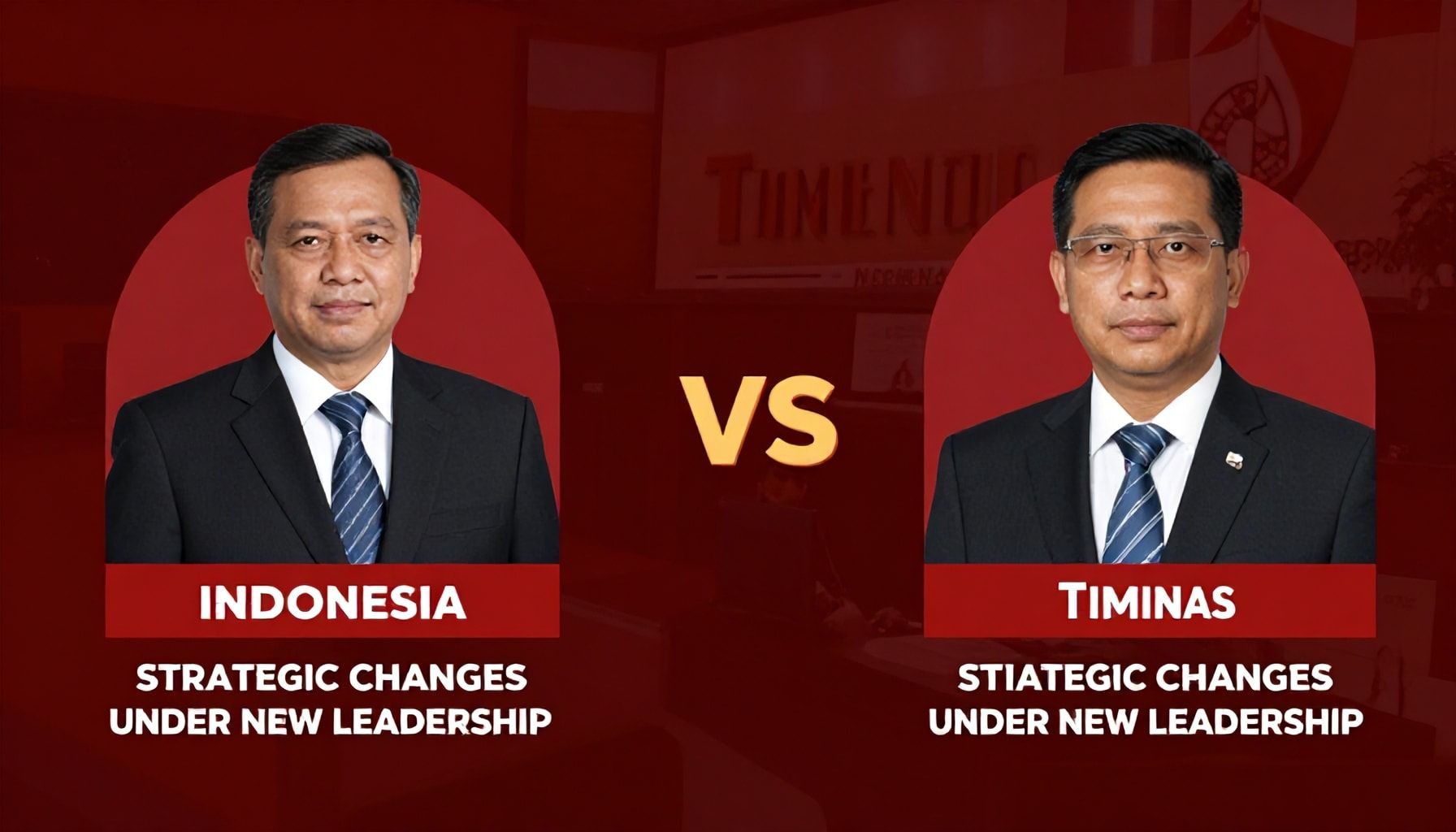
Under new leadership, Indonesia’s national football team, Timnas, is implementing strategic changes to bolster its World Cup qualification campaign. The federation has appointed a foreign coach with extensive experience in Asian football, aiming to bring fresh tactics and discipline to the team. This move aligns with the federation’s long-term vision to elevate Indonesian football on the global stage.
One of the key changes is a shift in focus towards youth development. The new leadership has prioritized integrating young talents into the national team, with a notable 40% of the current squad under the age of 23. This strategy aims to build a sustainable pipeline of players who can compete at the international level for years to come.
A sports analyst noted that Timnas’ recent friendly matches against higher-ranked teams have shown promising signs of improvement. The team’s defensive record has significantly improved, conceding fewer goals in the past six months. This progress is a positive indicator of the strategic changes taking effect.
The federation has also intensified its scouting network, both domestically and internationally. This expansion aims to identify and recruit Indonesian players who have honed their skills abroad. The goal is to create a more competitive and diverse squad capable of challenging top Asian teams.
Youth Development: The Future Backbone

Indonesia’s journey toward the 2026 World Cup isn’t just about the senior team’s performance. The country’s youth development programs are quietly laying the foundation for long-term success. With over 10,000 registered youth players in the Indonesian Football Association’s (PSSI) development academies, the pipeline is growing steadily. These programs focus on technical skills, physical conditioning, and mental resilience, ensuring young talents are well-rounded.
Experts highlight the importance of these initiatives. A senior football analyst noted that investing in youth development is crucial for sustainable success. “Nations that prioritize grassroots football tend to see long-term benefits,” the analyst explained. Indonesia’s commitment to this approach is evident in the increasing number of young players making their mark in domestic leagues.
One standout example is the U-19 national team’s recent performances. Their improved rankings and competitive matches against regional powerhouses signal promising talent. These young players represent the future of Indonesian football, and their progress is closely watched by fans and scouts alike. The 2026 World Cup may still be a few years away, but the groundwork being laid today could pay off significantly in the future.
Beyond the pitch, these programs also emphasize education and character building. Players are encouraged to balance their football careers with academic pursuits, ensuring they have options beyond the sport. This holistic approach not only benefits the players but also strengthens the overall football ecosystem in Indonesia. The future looks bright, and the country’s youth are ready to shine on the global stage.
Fan Expectations and Government Support

Indonesian football fans are buzzing with anticipation as Timnas Indonesia sets its sights on qualifying for the 2026 World Cup. The national team’s journey has been a rollercoaster, with moments of brilliance followed by periods of struggle. However, the recent improvements under coach Shin Tae-yong have reignited hope among supporters. The 2022 AFF Championship victory served as a catalyst, proving that Indonesian football is on the rise.
Government support has been instrumental in this resurgence. The Ministry of Youth and Sports has increased funding for grassroots programs and youth development. This investment aims to create a sustainable pipeline of talent, crucial for long-term success. A sports analyst noted that “the focus on youth development is a positive step, but consistency in coaching and infrastructure is key.”
Fans expect Timnas to build on their recent successes. The team’s performance in the 2023 AFC Asian Cup qualifiers will be a significant indicator of their progress. With a mix of experienced players and promising youngsters, Indonesia has a balanced squad capable of competing at higher levels. The road to the 2026 World Cup is long, but the foundation is being laid for a potential breakthrough.
One of the biggest challenges will be maintaining momentum. The team must navigate through tough qualifying rounds, facing formidable opponents like Japan, Saudi Arabia, and Australia. However, the support from fans and the government provides a strong backbone. The journey to the World Cup is not just about football; it’s about national pride and unity.
A Glimpse into Indonesia's World Cup Dreams

Indonesia’s national football team, affectionately known as Timnas, is setting its sights on an ambitious goal: qualifying for the 2026 FIFA World Cup. This dream is not merely a fleeting fancy but a strategic target backed by a long-term development plan. The Indonesian Football Association (PSSI) has outlined a roadmap that includes strengthening youth academies, improving coaching standards, and enhancing infrastructure.
A significant milestone in this journey was Indonesia’s participation in the 2023 AFC Asian Cup. The team’s performance, though not groundbreaking, provided valuable experience and exposure. A sports analyst noted that the Asian Cup was a crucial stepping stone, offering Timnas a platform to test their mettle against top Asian teams.
One of the key challenges lies in the competitive nature of the qualification process. With 48 teams set to compete in the 2026 World Cup, the stakes are higher than ever. Indonesia will need to navigate through a grueling qualification campaign, which includes both regional and intercontinental rounds. The PSSI is confident that with the right strategies and support, Timnas can overcome these hurdles.
Looking ahead, the focus is on building a sustainable football ecosystem. This includes investing in grassroots programs, fostering talent, and creating a robust domestic league. The ultimate aim is to cultivate a generation of players who can compete on the global stage, not just in 2026, but in future World Cups as well.
Indonesia’s Timnas has set its sights on the 2026 World Cup, marking a significant milestone in the nation’s football history. With strategic planning, youth development, and a renewed focus on international competition, the team is positioning itself for a strong qualifying campaign. Fans and stakeholders should rally behind the team, supporting grassroots programs and maintaining high expectations to foster a culture of excellence. The journey to the 2026 World Cup will be challenging, but with determination and unity, Indonesia’s football dreams are within reach.