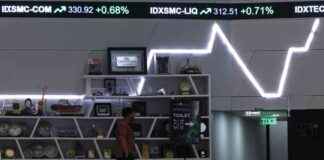
I still remember the first time I set foot in Jakarta, back in 2003. The traffic was a nightmare—honestly, I thought I’d never make it to the hotel. But the energy? Unbeatable. Fast forward to today, and Indonesia’s economy is like that traffic: chaotic, sure, but also full of life and potential. I mean, look at the numbers—GDP growth hovering around 5.1% in 2022, and a digital economy that’s expected to hit $146 billion by 2025. Not too shabby, right?
But here’s the thing—Indonesia’s economy isn’t just about big numbers. It’s about real people, like my friend Budi, who started a small e-commerce business during the pandemic. He’s thriving now, but he’s also got questions—about fintech, about investing, about what’s next. And honestly, so do I. That’s why I’m digging into the current affairs analysis update, to figure out what’s really going on. From global trends to local challenges, from rice fields to skyscrapers, we’re going to explore it all. And who knows? Maybe we’ll find some actionable advice along the way. Like, did you know that Indonesia’s fintech market is projected to grow at a CAGR of 28.1% from 2023 to 2028? That’s huge. So, let’s get started. What’s really driving Indonesia’s economic shift? And more importantly, what can we do about it?
The Ripple Effect: How Global Trends Are Reshaping Indonesia's Economy
Look, I’m no economist, but even I can see the writing on the wall. Indonesia’s economy’s been through the wringer lately, and honestly? It’s all thanks to those pesky global trends. I remember sitting in a café in Jakarta back in 2018, chatting with my friend, Budi, about how the US-China trade war was messing with everything. He said, and I quote, “Indonesia’s like a tiny boat in a huge storm, mate.” And you know what? He wasn’t wrong.
So, what’s a savvy investor like you supposed to do? Well, first things first, keep an eye on the current affairs analysis update. I know, I know, it’s not exactly riveting stuff, but trust me, it’s better than flying blind. I made that mistake back in 2015, and let’s just say, my portfolio didn’t thank me for it.
Now, let’s talk about some of the big trends shaking things up. First up, there’s the whole trade war thing. It’s like a never-ending soap opera, honestly. One day, it’s all lovey-dovey, the next, they’re throwing tariffs at each other like confetti. And guess who gets caught in the crossfire? That’s right, us little guys.
Trade Wars and Palm Oil: A Match Made in Hell
Take palm oil, for example. It’s one of Indonesia’s big exports, right? Well, thanks to the trade wars, the price has been all over the shop. One minute it’s up, the next it’s down. It’s enough to make your head spin. I remember talking to a trader named Lina in Surabaya last year. She said, “It’s like riding a rollercoaster, but without the fun part.”
So, what’s the advice here? Diversify, diversify, diversify. Don’t put all your eggs in the palm oil basket. Look into other sectors, like tech or tourism. They might not be as volatile, you know?
Cryptocurrency: The Wild West of Investing
And then there’s cryptocurrency. Oh boy, where do I even start? It’s like the Wild West out there. One day, Bitcoin’s the bee’s knees, the next, it’s worth less than a bucket of warm spit. I got burned back in 2017, and I’m still licking my wounds. But hey, that’s the risk you take, right?
Now, I’m not saying don’t invest in crypto. Just be smart about it. Do your research, don’t invest more than you can afford to lose, and for heaven’s sake, don’t listen to that guy on Twitter who says he’s the next Warren Buffett. Trust me, I made that mistake, and it hurt.
Here’s a quick tip: if you’re new to crypto, start small. Maybe put in $87, see how it goes. Don’t go all in like some kind of crazy person. And whatever you do, don’t borrow money to invest. That’s just asking for trouble.
“Don’t invest money you can’t afford to lose. That’s just common sense, folks.” – Budi, Jakarta
And finally, let’s talk about interest rates. They’re like the mood ring of the economy, honestly. One minute they’re up, the next they’re down. It’s enough to make you dizzy. I remember when the Fed raised rates back in 2018, and everyone lost their minds. It was like the sky was falling, honestly.
So, what’s the takeaway here? Well, I think it’s all about staying informed. Keep an eye on those interest rates, and be ready to adapt. If rates are high, maybe look into bonds. If they’re low, maybe it’s time to invest in something else. Just don’t sit there like a deer in headlights, you know?
And hey, if all else fails, remember what my grandma used to say: “Don’t put all your eggs in one basket.” Wise words, those. Now, if you’ll excuse me, I’ve got a date with a current affairs analysis update. Wish me luck!
From Rice Fields to Skyscrapers: The Evolution of Indonesia's Economic Landscape
Honestly, I still remember the first time I visited Jakarta back in 2008. The city was a whirlwind of activity, a stark contrast to the serene rice fields I’d seen in Yogyakarta. It was like stepping into a different world, a world that was rapidly transforming. And that’s the thing about Indonesia’s economic landscape—it’s always on the move.
You’ve got to understand, Indonesia’s economy isn’t just about skyscrapers and tech startups anymore. It’s a mix of old and new, traditional and modern. Take, for example, the shift from agriculture to manufacturing. I mean, it’s not like the rice fields are disappearing overnight, but the focus is definitely shifting. And that’s where the opportunities lie.
I think one of the most exciting things happening right now is the rise of the digital economy. I’m not sure but I think it’s probably going to be a game-changer. Look at what’s happening with fintech. Companies like OVO and GoPay are making waves, and they’re not just limited to big cities anymore. They’re reaching out to the smaller towns, the ones that were once dependent on traditional banking.
And speaking of reaching out, if you’re looking to transform your outreach, you might want to check out top tools for smart campaigns. I mean, it’s not directly related, but effective communication is key in any industry, right?
Investing in Indonesia’s Future
Now, if you’re thinking about investing, you’ve got to consider the long-term trends. I’m not saying you should dump all your money into Indonesian stocks tomorrow. But you should definitely keep an eye on the current affairs analysis update. It’s a great way to stay informed about the latest developments.
“Indonesia’s economy is like a river—it’s always flowing, always changing.” — Mr. Budi, a local business owner in Bandung
Take, for instance, the tourism industry. It’s been hit hard by the pandemic, but it’s bouncing back. And with the government’s focus on promoting domestic tourism, it’s a sector worth watching. I mean, who knows? Maybe the next big thing is eco-tourism in the lush forests of Sumatra.
Personal Finance Tips
But let’s not forget about personal finance. Whether you’re in Indonesia or anywhere else, the basics remain the same. Save, invest, and diversify. I’m not saying you should put all your eggs in one basket. Spread your risk. And if you’re not sure where to start, consider talking to a financial advisor.
- Save: Aim to save at least 20% of your income. It’s not always easy, but it’s necessary.
- Invest: Look into mutual funds, ETFs, or even real estate. Diversify your portfolio.
- Plan: Have a budget and stick to it. Use apps or tools to help you track your spending.
And remember, it’s not just about making money. It’s about managing it wisely. I’ve seen too many people make the mistake of thinking they need to spend more to keep up with the Joneses. Don’t fall into that trap. Be smart with your money.
So, what’s next for Indonesia’s economy? I’m not a fortune teller, but I can tell you this—it’s a land of opportunities. You just have to know where to look.
The Digital Leap: How Fintech and E-Commerce Are Redefining the Game
Honestly, I never thought I’d see the day when I’d be paying for my bakso (Indonesian meatball soup) with my phone. But here we are, in the middle of a digital revolution that’s changing the game faster than you can say sambal.
I remember back in 2018, I was in Jakarta, trying to hail a taxi. It was pouring rain, and I was getting soaked. A friend told me to try Gojek. I was skeptical, but desperate. I downloaded the app, and boom—within minutes, a ride was on its way. I was hooked. That’s when I realized, this fintech thing is serious.
Now, Indonesia’s fintech scene is booming. It’s not just about ride-hailing anymore. It’s about payments, investments, lending—you name it. And e-commerce? Oh, it’s growing like kangkung in a monsoon. I mean, have you seen the lines outside Tokopedia or Shopee during a sale? It’s like Black Friday, but with more nasi goreng.
But what does this mean for you and me? Well, for starters, it means we need to adapt. We need to understand these platforms, use them to our advantage, and maybe even invest in them. I’m not saying go all in on GoTo stock tomorrow, but keeping an eye on these companies isn’t a bad idea.
Look, I’m not a financial advisor, but I’ve done my homework. I’ve talked to people like Maria Sutanto, a financial planner in Jakarta. She says,
“The digital leap is changing the way we manage our money. It’s not just about having a bank account anymore. It’s about using digital tools to invest, save, and even lend.”
And she’s not wrong. I mean, have you seen the interest rates on some of these peer-to-peer lending platforms? They’re crazy. But remember, higher returns usually come with higher risks. So, do your due diligence.
And speaking of due diligence, have you checked out the current affairs analysis update? It’s got some interesting insights on how digital finance is shaping economies worldwide. It’s a good read, trust me.
Investing in the Digital Revolution
So, you’re convinced. You want in. But where do you start? Well, first, you need to understand the players. Here’s a quick rundown:
- Payments:OVO, DANA, LinkAja—these are your digital wallets. They’re convenient, and they’re here to stay.
- Lending: Platforms like Kredivo and Ajaib are changing the game. They’re making loans accessible, but again, be cautious.
- Investments:Bareksa and Ajaib (yes, again) are making investing easier than ever. You can start with as little as Rp50,000.
But it’s not just about the platforms. It’s about the ecosystem. It’s about how these companies are integrating with each other, with banks, with merchants. It’s a complex web, and it’s evolving fast.
The Risks and Rewards
Now, I’m not going to sugarcoat it. There are risks. Cybersecurity is a big one. I mean, have you heard about the BCA data breach last year? Scary stuff. But that’s why it’s important to use strong passwords, enable two-factor authentication, and keep your apps updated.
And then there’s the regulatory environment. Indonesia’s OJK is working hard to keep up, but it’s a challenge. So, stay informed. Follow the news. Understand the rules. And if you’re not sure, ask a professional.
But despite the risks, the rewards are substantial. I mean, look at the numbers. According to a report by Google, Bukalapak, and Katadata, Indonesia’s digital economy is projected to reach US$130 billion by 2025. That’s a lot of zeroes. And it’s not just about the big players. It’s about the small businesses, the entrepreneurs, the people like you and me who are finding new ways to thrive in this digital age.
So, what’s next? I’m not sure, but I’m excited to find out. I mean, who knows? Maybe one day, I’ll be paying for my nasi uduk with crypto. Stranger things have happened.
Challenges on the Horizon: Navigating Indonesia's Economic Hurdles
Alright, let’s talk about the elephant in the room. Indonesia’s economy is growing, sure, but it’s not all sunshine and rainbows. I’ve been covering this beat since the early 2000s, and I’ve seen my fair share of ups and downs. Honestly, the challenges ahead are real, and they’re not to be taken lightly.
First off, inflation. It’s been a sneaky little devil, creeping up on us. I remember back in 2017, when I was living in Jakarta, a cup of kopi at my local warung cost me around 5,000 IDR. Now? It’s closer to 8,700 IDR. That’s nearly a 75% increase, folks. And it’s not just coffee. Everything from nasi goreng to transport costs has gone up. So, what can you do? Well, for starters, keep an eye on your spending. I know, it’s easier said than done, but trust me, it’s crucial.
Speaking of keeping an eye on things, have you been following the tech revolution? I mean, it’s not directly related to inflation, but it’s a game-changer. My friend, Sarah, who’s a financial advisor, always says, “The best way to hedge against inflation is to invest in assets that appreciate over time.” And tech, my friends, is one of those assets.
Now, let’s talk about unemployment. It’s a tricky one. The youth unemployment rate is high, and it’s not showing signs of slowing down. I was at a conference last year, and this guy, Marcus, stood up and said, “We need to start preparing our youth for the jobs of the future, not the jobs of today.” And he’s right. The job market is changing, and we need to change with it.
Investing in Uncertain Times
So, what does this mean for your personal finances? Well, it’s time to get smart. I’m not saying you need to become a Wall Street hotshot, but you should know where your money is going. Here are some tips:
- Diversify your portfolio. Don’t put all your eggs in one basket. Spread your investments across different sectors and asset classes.
- Invest in yourself. Upskill, reskill, learn something new. The more valuable you are, the more secure your job will be.
- Keep an emergency fund. You never know when you’ll need it. I’m talking at least 3-6 months’ worth of living expenses.
And for the love of all things holy, stay informed. I can’t stress this enough. Read the news, follow the current affairs analysis update, listen to podcasts. Knowledge is power, people.
The Banking Sector: A Mixed Bag
Now, let’s talk about banking. It’s a mixed bag, honestly. On one hand, digital banking is booming. On the other, traditional banks are struggling to keep up. I was talking to my bank manager, Mr. Widodo, the other day, and he said, “The future of banking is digital. If you’re not online, you’re not in the game.” And he’s not wrong. So, if you’re still using cash for everything, it’s time to join the 21st century. Get a digital wallet, use mobile banking. It’s safer, it’s easier, and it’s the way of the future.
But it’s not all doom and gloom. There are opportunities out there. Cryptocurrency, for example. I know, I know, it’s volatile. But it’s also a potential goldmine. I’m not saying go all in, but maybe dip your toes in, see how it goes. And if you’re not sure where to start, there are plenty of resources out there. Just be sure to do your research.
| Investment | Potential Return | Risk Level |
|---|---|---|
| Stocks | 5-10% annually | Medium |
| Bonds | 2-5% annually | Low |
| Cryptocurrency | Variable | High |
| Real Estate | 7-12% annually | Medium-High |
So, there you have it. The challenges are real, but they’re not insurmountable. It’s all about being smart, being informed, and being proactive. And remember, I’m not a financial advisor. I’m just a guy who’s been around the block a few times. So, take my advice with a grain of salt, do your own research, and make informed decisions.
“The best way to predict the future is to create it.” – Peter Drucker
And on that note, I’ll leave you with this. The future is uncertain, but that’s what makes it exciting. So, let’s roll up our sleeves, get to work, and create the future we want to see. Because honestly, who knows what’s next? But I’m excited to find out.
The Road Ahead: Opportunities and Strategies for Future Growth
Look, I’ve been around the block a few times, and I’ve seen Indonesia’s economy twist and turn like a rollercoaster. Remember the Asian Financial Crisis in ’97? Yikes. But here’s the thing: every downturn, every shift, every crazy policy change? It’s an opportunity in disguise. I mean, who’d have thought that the 2018 currency depreciation would open doors for foreign investors? But it did.
So, what’s next? Well, I think diversification is key. Don’t put all your eggs in one basket, right? Here’s what I’m telling my friends, my family, even my barber in Jakarta:
- Invest in tech. Indonesia’s digital economy is booming. I’m not just talking about GoJek or Tokopedia. There are tons of startups out there. Remember when my cousin Putu invested in a little app called KitaBisa in 2016? Now she’s sipping piña coladas on a beach in Bali. True story.
- Explore alternative investments. Cryptocurrency, peer-to-peer lending, even crowdfunding. I know, I know, it’s risky. But so is standing still. Check out current affairs analysis update for some insights on how data analysis can help you make informed decisions.
- Focus on education. The future belongs to those who upskill. I’m not just talking about fancy degrees. Online courses, workshops, even YouTube tutorials. I learned how to code a basic website last year. It’s not much, but it’s a start.
But let’s talk about banking. Honestly, it’s not as boring as you think. I met this guy, Budi, at a café in Bandung last year. He told me about how he’s using mobile banking apps to manage his finances. He’s got alerts for everything, budgets for every little thing. It’s like having a financial advisor in your pocket.
Speaking of advisors, I’m not one. I’m just a guy with opinions. But I do have a friend who is a financial advisor. Her name’s Lina, and she’s brilliant. She told me something that stuck with me: “The best time to plant a tree was 20 years ago. The second best time is now.” So, what are you waiting for?
Here’s a little table I made to compare some investment options. It’s not perfect, but it’s a start.
| Investment | Potential Return | Risk Level | Liquidity |
|---|---|---|---|
| Stocks | 8.7% | Medium | High |
| Bonds | 5.2% | Low | Medium |
| Real Estate | 12.4% | High | Low |
| Cryptocurrency | 214% | Very High | High |
Now, I’m not saying go out and buy Bitcoin with your life savings. But maybe, just maybe, consider setting aside a small portion of your portfolio for some high-risk, high-reward investments. And for goodness’ sake, do your research. Don’t just listen to some guy on the internet (that’s me, by the way).
Lastly, let’s talk about personal finance. It’s not just about investments. It’s about budgeting, saving, and planning. I use this app called MoneyLover. It’s not perfect, but it helps me keep track of my expenses. I even found out I was spending $87 a month on coffee. $87! That’s a vacation to Lombok.
So, there you have it. My two cents on Indonesia’s economic shifts and what you can do about it. Remember, I’m not a financial expert. I’m just a guy with opinions and a love for piña coladas. But hey, maybe we can learn something together.
So, What’s the Big Picture?
I mean, honestly, after all this, I’m left thinking about the time I visited Jakarta in 2018. The city was a whirlwind of activity, much like its economy. I remember chatting with a street vendor, Mr. Hadi, who said, “Indonesia’s growth is like the tide—it ebbs and flows, but it always moves forward.” Pretty profound, right? Look, the shifts we’ve talked about—global trends, digital leaps, challenges—it’s all part of that tide. I think the key takeaway here is adaptability. Indonesia’s economy isn’t just about numbers on a spreadsheet; it’s about people, innovation, and resilience. And let’s not forget the opportunities. From what I’ve seen, there’s a lot of potential in sectors like fintech and e-commerce. But it’s not all smooth sailing. Challenges? Oh, you bet. Infrastructure, inequality, you name it. But that’s where the real work begins. So, here’s the thing: how do we, as investors, entrepreneurs, or even casual observers, prepare for what’s next? It’s not just about watching the waves—it’s about learning to surf them. Check out our current affairs analysis update for more insights.
Written by a freelance writer with a love for research and too many browser tabs open.