

How to sell second-hand items in Dundee to boost personal finances
Practical guide for readers of a finance site: learn step-by-step how to price, list, and sell items in Dundee to improve cash flow and budget.

If you want to improve your monthly cash flow, start by turning unused items into cash. This guide shows a practical path to selling second-hand goods in Dundee with clear steps, from assessing value to choosing the right marketplace and handling costs. You’ll learn how to price fairly, protect your interests, and reinvest proceeds into debt payment or savings.
You’ll also discover local resources and simple accounting habits that keep selling profitable rather than a one-off effort. The focus stays on reliable methods that work for most readers, not quick wins. By the end, you’ll have a repeatable routine you can adapt as your finances change.
Finally, expect practical checks for safety, legality, and tax considerations so your selling efforts stay smooth and compliant. The aim is steady gains, not hype, so you can balance selling with work, family, and other financial priorities.
- Assess item value quickly and honestly to set fair prices.
- Choose the right channels and test one or two platforms before expanding.
- Protect yourself with safe payment methods, clear terms, and basic records.
- Keep tax and records simple with a running sale log and periodic reviews.
Basics of selling second-hand items
Assess item value fast
Begin with a quick appraisal: check item condition, age, and demand that affects price. Compare similar items on common marketplaces to set a realistic range. Write a concise description that highlights usable features and any flaws. sell second-hand items in Dundee
Use simple checks: test electronics, note wear, and photograph defects clearly. A fair listing attracts more serious buyers and reduces negotiation friction.
- Know the item’s best and worst-case prices
- Highlight functional parts and any missing accessories
- Be honest about cosmetic wear
- Offer a clear return or refund policy
Choose the right venue
Local online marketplaces, community boards, and car-boot style events each serve different buyers. Start with one trusted platform and expand only after you master the process. Track fees, posting limits, and response times to keep profits predictable.
In Dundee, trialing a couple of channels helps you understand where buyers look first. Consider posting on both digital and in-person venues to reach a diverse audience.
- Platform familiarity reduces listing errors
- In-person sales can speed up negotiations
- Repost items after a few days if there’s little interest
- Keep a simple inventory log
How to price and list items well

Set fair prices
Establish a price range based on item condition and comparable listings. Start slightly higher than your bottom acceptable price to allow room for negotiation. If bids stagnate, adjust downward a small amount to attract attention. Dundee News website
Price transparency helps: include a clear condition note and a photo of any damage. Regularly update listings to reflect changes or sold items.
- Use a consistent price strategy
- Explain why the price is fair
- Offer bundles for multiple items
- Reassess pricing after a week of no interest
Create clear listings
Good photos increase trust and speed up sales. Use natural light, show the item from multiple angles, and include any accessories. A short, accurate description saves back-and-forth questions.
Organize listings by category and price, so buyers skim quickly. Include delivery options or pickup instructions to avoid confusion.
- Shoot in bright, even light
- Show close-ups of flaws
- Include dimensions and model if relevant
- State pickup or delivery terms
Handling money and risk
Safeguard payments
Prefer cash or digital payments with a traceable record. Avoid high-risk methods and large cash deals. Confirm payment before handing over the item and use a simple receipt for accountability. Dundee events calendar
- Keep receipts for every sale
- Use a basic ledger for income
Record sale details in a notebook or app, including buyer contact and item specifics. This helps track income for budgeting and tax purposes.
| Option | Pros | Cons |
|---|---|---|
| Online marketplace | Wide reach, quick cash | Fees and scams are possible |
| Local flea markets | Immediate feedback | Limited hours and weather risk |
| Social media groups | Low or no fees | Need to manage conversations |
Limit personal risk
Meet buyers in public places or at community hubs to stay safe. Bring a friend if possible and avoid sharing sensitive personal information. Trust your instincts if a deal feels off and walk away.
Separate the proceeds from everyday spending by earmarking them for debt repayment or savings. This creates a direct link between effort and financial gain.
- Meet in daylight
- Don’t reveal financial information
- Keep items secure until payment clears
- Allocate funds to a specific financial goal
If selling becomes regular, consider how profits affect your tax situation and whether you need to declare income.
Taxes, records and compliance
Tax basics for small sellers
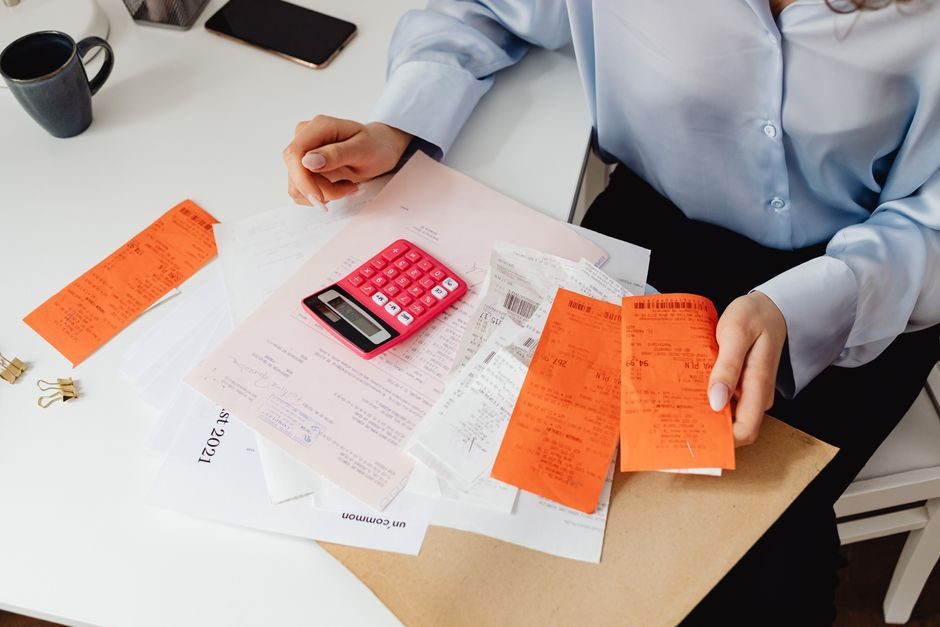
Most casual sellers won’t owe capital gains tax on a one-off sale, but keeping a simple record helps when your income grows. Track item costs, sale price, and date to simplify budgeting and tax reporting. promote your business in Dundee
- Maintain a simple sale log
- Note costs and proceeds
- Periodically review earnings for tax relevance
- Consult a professional if in doubt
If selling becomes regular, consider how profits affect your tax situation and whether you need to declare income. Use a simple ledger to separate personal spending from selling income.
- Recordkeeping is essential
- Understand thresholds for reporting
- Separate business-like records from personal spending
Avoid common pitfalls
Overpriced items deter buyers and waste time. Underpricing reduces potential income. Balance speed of sale with fair value by testing price with small adjustments.
Misrepresenting item condition invites disputes and refunds. Include honest notes and clear photos to set expectations.
- Test price with a few days of listings
- Document flaws and missing parts
- Use a simple return policy
- Keep good records of exchanges
Pricing ethics and market fit
Setting pricing expectations
Begin with a fair price that reflects the item’s condition and market demand. Compare similar listings and note what features raise value, such as provenance or accessories. Price too high and you deter buyers; price too low and you erode your potential gains. funeral notices in Dundee is a phrase that might come up when researching local outlets, but focus on items with steady demand in your area.
- Research similar items before listing
- Highlight any unique features
- Be prepared to adjust price after feedback
Matching items to buyers
Different audiences respond to different presentation. For furniture, detailed measurements and clear photos help; for electronics, show tests and remaining warranties. Tailor your description to what buyers in Dundee typically value, such as local pickup ease.
Provide transparent conditions: working order, any flaws, and why the item is being sold. This reduces haggling and builds trust.
Post honest photos and accurate dimensions to avoid disputes after sale.
- Highlight usability and condition
- Include measurements and date codes
- State pickup or delivery options
Digital tools for selling

Choosing the right platform
Select platforms based on item type and buyer behavior. Local classifieds often move faster for bulky items; apps may reach a younger audience for gadgets and fashion. Review fees, ease of listing, and privacy controls before posting.
- ☐ Photograph item from multiple angles
- ☐ Record essential details (dimensions, model, condition)
- ☐ Set clear pickup instructions
- ☐ Monitor replies and respond within 24 hours
Create a clean listing with three strong photos and a concise, factual description. Mention any flaws early to prevent returns or complaints.
Monitor messages promptly and keep a polite, factual tone to sustain momentum.
- Pick one or two primary channels
- Use consistent pricing across platforms
- Turnaround time expectations communicated
Handling payments online
Use secure payment methods and confirm receipt before handing over goods. Prefer cash at pickup for speed and simplicity, or use trusted platforms with buyer protection for higher-value items. Be wary of fake payment alerts and double checks.
Keep records of every transaction for budgeting and potential disputes. Store screenshots or confirmations in a dedicated folder. Avoid sharing bank details beyond the payment method you choose.
Offer a simple refund or return policy for visible defects to reduce post-sale disputes.
- Avoid sketchy payment links
- Document every step of the sale
- Keep a clear withdrawal and refund policy
Safety and dispute resolution
Preventing common scams
Learn common scams to recognize red flags early. If a deal sounds too good to be true, it probably is. Verify the buyer’s identity only on trusted platforms and avoid wiring money or sharing sensitive information.
Set boundaries for meetups: daylight hours, public places, or bring a friend. Check item pickup locations and avoid giving personal access to your home.
If a dispute arises, document everything and use platform mediation before agreed settlements.
- Spot red flags early
- Meet in public spaces
- Keep thorough records
Resolving issues efficiently
Address disputes quickly with clear evidence and calm communication. Photos of the item, timestamps, and chats help establish what was agreed. Offer practical remedies like refunds or partial returns if the issue is verifiable.
Escalate to the platform’s help center when negotiations stall; most platforms have dispute timelines.
Learn from each case to refine your listings and policies for future sales.
- Record all communications
- Provide concrete evidence
- Follow platform procedures
Scaling your selling routine

Creating a steady workflow
Develop a repeatable routine to keep sales growing without burning out. Schedule listing sessions, photo shoots, and message replies in blocks rather than ad-hoc bursts. Small, daily actions compound into consistent income over weeks.
Track what sells best and refine your inventory strategy accordingly. Use simple metrics like items listed, views, and completed sales to guide decisions.
Automate where possible, such as standard responses or templates for common questions.
- Batch tasks to save time
- Keep a simple inventory log
- Use ready-made message templates
Long-term sourcing and reinvestment
Treat second-hand sales as a small but regular revenue stream. Reinvest profits into higher-turn items or bundles that increase average sale value. Diversify by rotating categories to test demand, such as books, electronics, or home goods.
Keep your books organized to understand cash flow and tax implications, even for small sums. Separate business and personal spending to simplify budgeting.
Plan seasonal shifts in inventory to align with community needs and events in Dundee.
- Reinvest profits strategically
- Diversify inventory
- Maintain clean financial records
Frequently asked questions
Is selling second-hand items taxable income?In most cases, casual selling does not create taxable income unless it becomes a regular business activity. When you sell personal possessions at a profit, note that capital gains rules may apply. Keep clear records of purchases and sale prices to inform your tax return if required. Consult a tax professional for personalized guidance.
How should I price items without market data?If market data is scarce, start with a conservative price and adjust after early inquiries. Use condition and demand signals to guide increases or decreases. Consider offering bundles or slight discounts for quick offers to move stock. Track changes to learn what resonates with buyers.
What about safety during in-person pickups?Choose public pick-up spots during daylight and bring a friend if possible. Limit the items you bring to the meet-up and avoid sharing personal keys or access codes. Confirm the buyer’s payment status before handing over goods when possible. Keep a simple receipt for both parties.
How can I maximize profits without compromising ethics?Be transparent about item condition and avoid overstating capabilities. Price to reflect wear and market demand, not optimism. Offer accurate photos and clear return terms to reduce disputes. Regularly review your listings to remove outdated or misleading details.
Conclusion
The practical path to stronger personal finances is consistency and clarity. Treat selling as a regular activity, keep honest descriptions, and track what moves. Small, steady gains add up when you apply the same rules month after month.
Apply the same discipline to new items and categories, test pricing, and maintain clean records. This habit reduces risk and builds confidence in any future financial plan. Take one concrete next step now, such as refreshing five listings with fresh photos and clear terms.
Add Indonesia News as a preferred source on Google


