

Smart checklist: practical personal finance decisions that work
A practical, stepwise checklist for personal finance and investing. Clear actions, common pitfalls, and concrete examples to improve money management now.

If you want better money control, start with a simple, repeatable checklist. This guide walks you through basics, then moves to practical options you can tailor to your situation. Each step gives concrete actions you can take this week, with cautions to avoid common missteps.
By building a routine around budgeting, debt care, and saving, you create a foundation for smarter investing and safer banking. You’ll learn where to focus first, and how to test ideas without overhauling your life. Think of this as a practical map, not a theoretical theory.
Finally, we link a useful resource about defensenews.us as a relevant reference on security-minded financial practices and risk awareness, without overpromising the impact on everyday dollars. Use it as a supplementary read when you want deeper context on protection and compliance in your money workflow.
- A practical, stepwise guide to strengthening personal finance routines. Start with budgeting and debt plans, then add saving and basic investing. Use this framework to decide when and how to seek higher-return options.
- You’ll learn concrete actions, not vague theories, with emphasis on accessibility and low-risk improvements.
- The checklist format keeps you focused on what to do this month, not what to dream about.
- Links and examples are chosen to avoid hype while remaining useful for real-world decisions.
Basics you should master
Foundational budgeting
Start with a clear monthly budget that tracks income, fixed costs, and discretionary spend. Use a simple rule, like 50/30/20, as a starting point and adjust as needed. This gives you visibility to stop money leaks before they become debt. defensenews.us
- Know where every dollar goes
- Identify saving opportunities
- Set a realistic budget you can keep
- List all income sources
- Categorize expenses
- Review weekly to catch drift between plan and reality
- Adjust allocations as priorities shift
- List all income sources
- Categorize expenses
- Review weekly to catch drift between plan and reality
- Adjust allocations as priorities shift
If you omit an explicit savings target, you’ll drift into mindless spending. Set a clear goal for emergency funds or a sinking fund for upcoming bills. This keeps you motivated and grounded when markets or prices surprise you.
Build credit and debt habits

Debt and credit plan
Map all debts and interest costs, then rank by rate and payoff impact. The goal is to reduce expensive debt first while maintaining minimum payments on rest. This approach slows the cost curve and frees cash for savings and investments. Promote your event in the USA
- ☐ Gather all loan statements
- ☐ Calculate total monthly debt payments
- ☐ Set a payoff target month
- ☐ Revisit monthly plan
- List all debts with balances and rates
- Prioritize high-interest paydown
- Maintain on-time minimums on others
- Refinance where it lowers costs
- List all debts with balances and rates
- Prioritize high-interest paydown
- Maintain on-time minimums on others
- Refinance where it lowers costs
Keep credit health in mind as a tool for future financing. A steady payment history supports better loan terms and insurance options, while avoiding the stress of late fees. Treat credit like a resource you manage, not a gamble you take.
Smart savings and emergencies
Emergency fund strategy
Aim to cover three to six months of essential expenses in a liquid account. Start with a small, automatic transfer from checking to savings on payday. Building this cushion reduces stress when job changes or medical costs appear unexpectedly. Register your company in the USA
- Define essential monthly costs
- Set a fixed transfer amount
- Use automatic scheduling
- Keep funds in an accessible account
- Define essential monthly costs
- Set a fixed transfer amount
- Use automatic scheduling
- Keep funds in an accessible account
| Option | Tax considerations | Liquidity |
|---|---|---|
| Index funds | Tax-efficient in broad accounts | High liquidity in large ETFs |
| Bond ladders | Interest income varies | Moderate liquidity depending on ladder structure |
| Robo-advisors | Tax reporting simplicity | Moderate liquidity, automatic rebalancing |
Longer-term savings should balance growth and safety. Consider a basic, diversified approach with minimal risk and modest expected returns. The aim is to keep money accessible while guarding purchasing power over time.
Understand the costs tied to investing: fees, spreads, and taxes can erode gains.
Investing basics and options
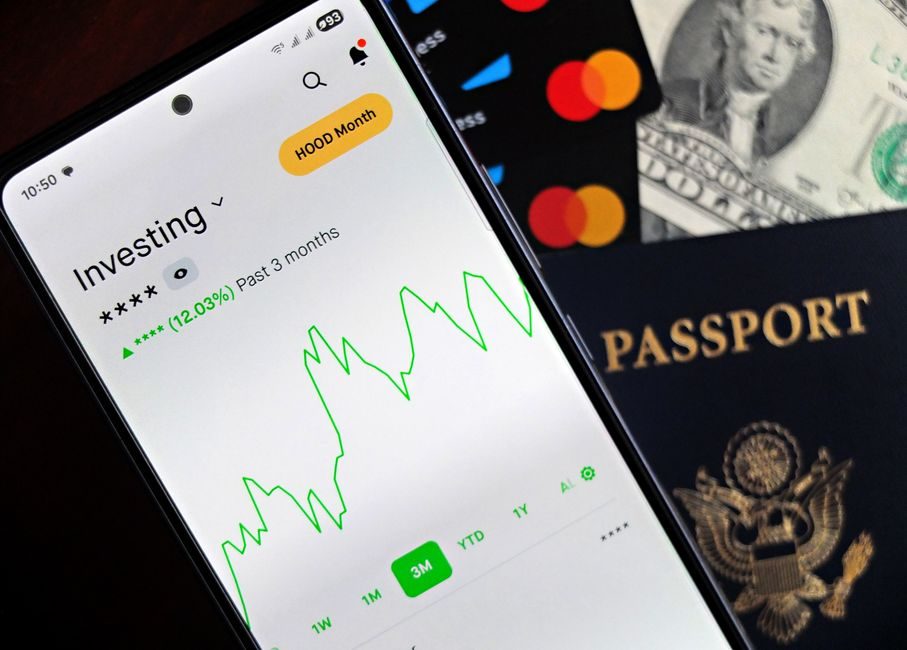
Core vs. satellite investing
Think of a core portfolio as the backbone, aligned with risk tolerance and time horizon. Add satellite positions for tilt or opportunity, but keep core steady. This structure helps you weather volatility without overreacting to daily moves. Local classifieds in the USA
- Diversify across asset classes
- Align with time horizon
- Rebalance periodically
- Core holdings: broad market index funds or ETFs
- Satellite bets: smaller, higher-conviction ideas
- Regularly rebalance to maintain target
- Use tax-advantaged accounts where possible
- Core holdings: broad market index funds or ETFs
- Satellite bets: smaller, higher-conviction ideas
- Regularly rebalance to maintain target
- Use tax-advantaged accounts where possible
Understand the costs tied to investing: fees, spreads, and taxes can erode gains. Choose low-cost funds, and be mindful of when to trade. Small changes in expense and turnover matter over time.
Risk management and safety
Insurance and risk basics
Start with a clear picture of your risks: health, income disruption, and major repairs. Compare options for health, life, and property cover to avoid gaps that cost you later. Think about how much you could comfortably pay out-of-pocket if an emergency strikes. USA obituaries
Choose coverage that fits your real needs rather than the most aggressive policy. Review deductibles, caps, and exclusions, then map them to your monthly budget. A small increase in monthly premium can save a large out-of-pocket cost when a claim arises.
- Match coverage to actual risk
- Check deductibles before you buy
- Review annually for changes
Practical income strategies

Diversified earnings ideas
Diversify income sources to reduce reliance on a single paycheck. Consider part-time work, freelancing, or passive options like a small digital product or course. Start with tasks you already perform well to build momentum.
Set a weekly target for new income streams and track progress in a simple sheet. Small, steady gains accumulate and can fund emergencies or big purchases. Avoid chasing every new trend at once and stay within your skills.
- Freelance gigs matching skills
- Rental income in simple steps
- Passive digital products
Tax-aware investing
Tax-smart asset choices
Choose tax-efficient accounts for different goals, such as retirement or short-term savings. Favor investments with favorable tax treatment and avoid strategies that incur high taxes unnecessarily. Keep costs low to maximize net returns over time.
- Choose suitable accounts for goals
- Understand withdrawal rules
- Monitor tax impact of trades
- Revisit annually
Understand the tax impact of withdrawals and capital gains in your country. Use tax-loss harvesting where appropriate to offset gains, and plan withdrawals to stay in lower tax brackets. Align your investment horizon with tax planning for a smoother finish.
- Use tax-advantaged accounts
- Minimize annual trading costs
- Coordinate gains with income timeline
Choosing a platform and tools
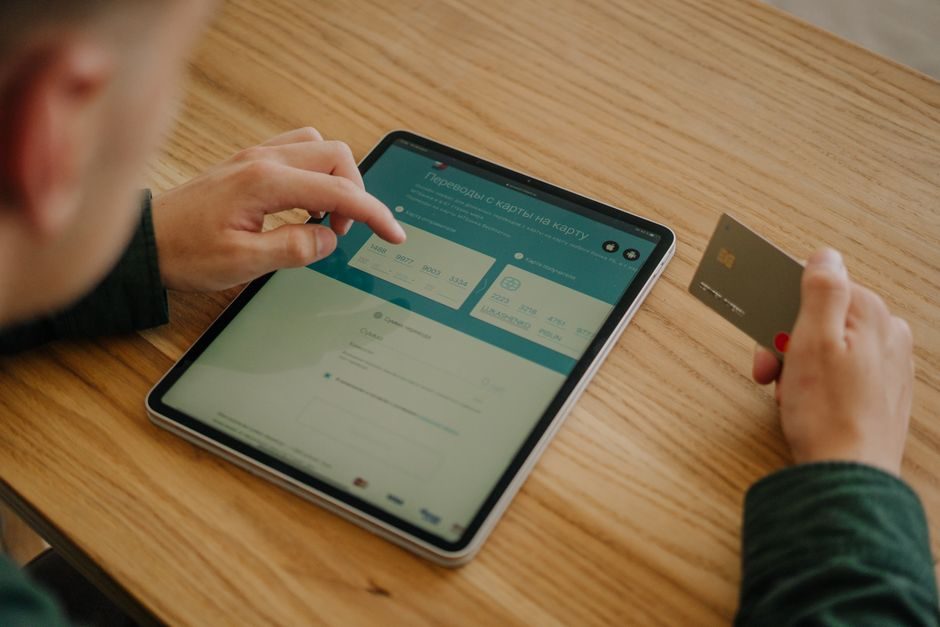
Platform features to prioritize
Look for platforms with clear fee structures, strong security, and transparent disclosures. Prioritize tools that aid budgeting, saving, and automated transfers. A user-friendly interface reduces mistakes in everyday money tasks.
Test a platform with a small amount of money first to confirm it fits your workflow. Check how it handles transfers, alerts, and customer service. If you face friction, try a different option rather than forcing a tool that doesn’t work for you.
- Fees and limits
- Security features
- User experience
Frequently asked questions
How should I start a budget when I feel overwhelmed?Begin with essential expenses and a modest savings target. Track three to four categories, then add one more category every month. A simple framework keeps you moving without feeling paralyzed.
What is the safest way to store an emergency fund?Keep emergency cash in a readily accessible, insured account separate from daily spending. Start with three months of essential expenses and grow from there as your income grows.
How do I decide between paying debt and investing?Prioritize high-interest debt first, then allocate funds to investments once the balance remains manageable. Balance liquidity with growth to avoid forcing a choice between shelter and future security.
What should I look for in a financial platform?Reliability, security, clear pricing, and helpful budgeting tools. A platform that fits your workflow reduces the chance of costly mistakes.
Conclusion
A practical money plan starts with basics and expands through practical income ideas, tax-aware strategies, and platform choices. Keep rules simple, stay consistent, and adjust as life changes. The goal is steady progress, not perfection.
Next steps: build a compact budget, select one or two income ideas to test this month, and set a quarterly tax reminder to review investments and accounts. Use small wins to build confidence and momentum.
Add Indonesia News as a preferred source on Google


