Google Translate has expanded its linguistic reach, adding 24 Indonesian languages to its platform. This significant update bridges communication gaps for millions of speakers worldwide.
The addition includes languages like Javanese, Sundanese, and Balinese, making it easier for speakers to translate Indonesia ke Inggris (Indonesian to English) and vice versa. For travelers, researchers, and businesses operating in Indonesia, this update is a game-changer. Imagine being able to seamlessly translate Indonesia ke Inggris during a crucial meeting or while exploring remote regions where English is not widely spoken. The new languages also support the preservation of indigenous cultures and languages, fostering a more inclusive global community.
Indonesia's linguistic diversity recognized
Indonesia’s remarkable linguistic diversity has gained global recognition with Google Translate’s recent addition of 24 Indonesian languages to its platform. This expansion highlights the country’s rich cultural tapestry, where over 700 languages are spoken across its vast archipelago. The move underscores the importance of preserving and promoting these linguistic treasures in the digital age.
Among the newly added languages are regional powerhouses like Javanese and Sundanese, each spoken by millions. These languages represent the vibrant cultural identities of Indonesia’s diverse ethnic groups. The inclusion of lesser-known languages, such as Batak and Minangkabau, further emphasizes the commitment to linguistic inclusivity.
A linguistics expert noted that this initiative is a significant step towards bridging communication gaps and fostering cultural understanding. With over 300 million people, Indonesia is the world’s fourth most populous country, making this expansion particularly impactful. The addition of these languages to Google Translate not only facilitates translation from Indonesian to English but also enhances global connectivity and mutual appreciation.
This development comes at a crucial time, as many indigenous languages face the threat of extinction. By providing tools that support these languages, Google Translate plays a pivotal role in their preservation. The platform’s advanced technology ensures accurate and contextually appropriate translations, making it an invaluable resource for both locals and global users.
New additions bridge communication gaps
Google Translate’s latest update brings a significant leap in accessibility for Indonesian languages. The addition of 24 new Indonesian languages, including translation from Indonesian to English, bridges critical communication gaps for millions of speakers. These languages, primarily spoken by indigenous communities, were previously unrecognized by major translation services. The move reflects a growing trend in tech companies to prioritize linguistic diversity and inclusion.
Linguistic experts have long advocated for the preservation and digital representation of indigenous languages. According to a UNESCO report, nearly 40% of the world’s languages are at risk of disappearing. The inclusion of these Indonesian languages in Google Translate serves as a vital tool for cultural preservation and intergenerational communication.
For many speakers of these languages, the ability to translate Indonesian to English opens up new opportunities. From accessing educational resources to connecting with global communities, the impact is profound. Google’s initiative underscores the transformative power of technology in breaking down language barriers.
The addition of these languages also highlights the rich linguistic tapestry of Indonesia. With over 700 languages spoken across the archipelago, the country is a hotspot for linguistic diversity. Google Translate’s update is a step towards ensuring that no language is left behind in the digital age.
How to access these languages now
Accessing Google Translate’s newly added Indonesian languages is straightforward. Users can immediately start translating between these languages and English through the web version or mobile app. Simply open the application, select the source language from the 24 new Indonesian options, and choose English as the target language. The interface remains intuitive, ensuring a seamless experience for both casual users and professionals.
A linguistics expert notes that this expansion bridges significant communication gaps. With over 200 million speakers of various Indonesian languages, the addition facilitates both personal and business interactions. Users can now translate phrases, documents, or even real-time conversations with remarkable accuracy. The feature proves particularly valuable for researchers and travelers exploring Indonesia’s diverse regions.
For those unfamiliar with the process, Google provides clear instructions within the app. A quick tutorial guides first-time users through selecting languages and initiating translations. The system also offers voice input, making it easier to translate spoken language. This functionality enhances accessibility, catering to users with varying levels of technological proficiency.
Challenges in preserving minority languages
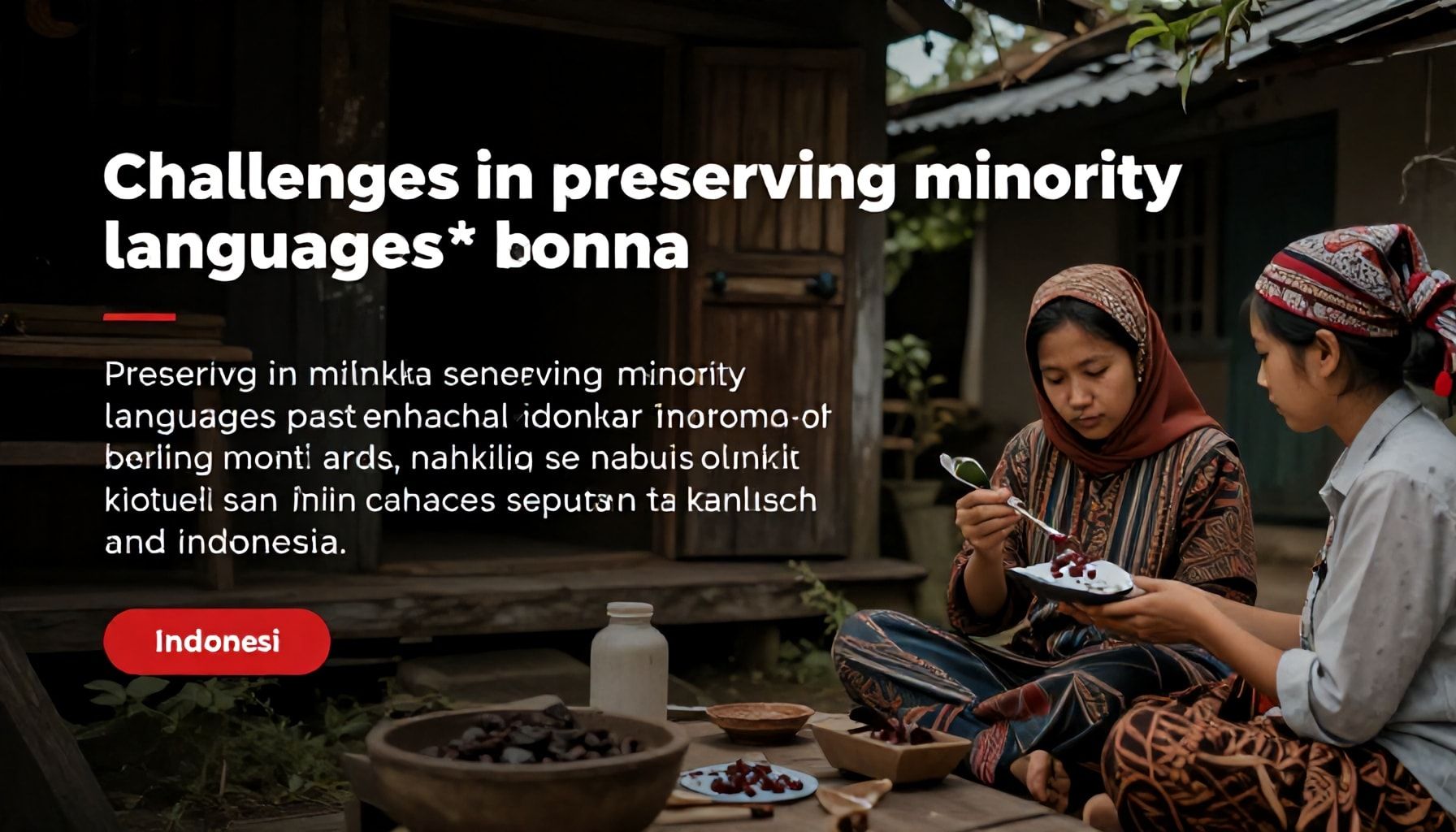
Preserving minority languages presents significant challenges, particularly in the digital age. With over 700 languages spoken across Indonesia, many face the threat of extinction. The Endangered Languages Project estimates that nearly half of the world’s languages may disappear by the end of this century, with Indonesia’s linguistic diversity particularly at risk. The dominance of major languages like Indonesian and English in digital platforms often overshadows these lesser-spoken tongues, accelerating their decline.
One major obstacle is the lack of digital resources. Many minority languages lack standardized writing systems, making it difficult to create digital content. This absence of written material hinders the development of translation tools, perpetuating a cycle of neglect. Without digital presence, younger generations may find these languages less relevant, further diminishing their use.
Efforts to preserve these languages require collaboration between linguists, technologists, and native speakers. Google’s addition of 24 Indonesian languages to its Translate platform is a step in the right direction. However, sustained investment and community engagement are crucial. Experts emphasize the need for comprehensive language documentation and the involvement of native speakers in the translation process to ensure accuracy and cultural relevance.
Education plays a pivotal role in language preservation. Integrating minority languages into school curricula can foster intergenerational transmission. Additionally, creating digital content—such as apps, websites, and social media platforms—in these languages can make them more accessible and appealing to younger audiences. By embracing technology and community-driven initiatives, the preservation of Indonesia’s linguistic heritage becomes a more achievable goal.
Google's role in language preservation
Google’s expansion into Indonesian languages marks a significant step in digital language preservation. The tech giant has long recognized the critical role of technology in safeguarding endangered languages. By adding 24 Indonesian languages to Google Translate, the company is helping to bridge communication gaps and preserve linguistic diversity. This initiative aligns with global efforts to document and revitalize languages at risk of disappearing.
Linguists estimate that nearly 40% of the world’s languages are at risk of extinction. Google’s platform offers a practical tool for speakers of these languages to engage with a global audience. The inclusion of these languages not only facilitates translation from Indonesian to English but also fosters cross-cultural understanding. This digital archive serves as a valuable resource for future linguistic research and education.
A language preservation expert highlights the importance of such initiatives. “Digital platforms can play a pivotal role in keeping endangered languages alive,” the expert notes. By providing accessible translation tools, Google empowers communities to maintain their linguistic heritage. The addition of these languages to Google Translate underscores the company’s commitment to cultural preservation in the digital age.
This move also reflects Google’s broader mission to make information universally accessible. The tech giant continues to invest in language technology, ensuring that even the most obscure languages find a place in the digital landscape. As more languages join the platform, the potential for global communication and cultural exchange grows exponentially.
Future implications for global communication
Google Translate’s expansion to include 24 Indonesian languages marks a significant step toward bridging linguistic divides. This addition enables communication between some of the world’s most isolated communities and the global digital ecosystem. Experts suggest that such advancements could accelerate cultural exchange and economic opportunities, particularly in regions where language barriers have historically limited growth.
One immediate impact is the facilitation of translation from Indonesian to English and vice versa. This will empower millions of Indonesian speakers to engage with international content, from academic research to entertainment. Conversely, non-Indonesian speakers will gain access to the rich cultural heritage and contemporary perspectives of Indonesia’s diverse linguistic groups.
According to a recent study, over 60% of internet users prefer content in their native language. By supporting these 24 languages, Google Translate aligns with this trend, potentially increasing digital inclusion. This move could also inspire other tech companies to invest in underrepresented languages, fostering a more equitable digital landscape.
The long-term implications extend beyond convenience. As more people communicate across linguistic boundaries, there’s potential for greater collaboration in fields like science, education, and business. However, challenges remain, such as maintaining the accuracy and cultural nuance of translations. Continuous refinement of AI models will be crucial to realizing the full potential of this expansion.
Google Translate’s addition of 24 Indonesian languages marks a significant step toward bridging linguistic divides and preserving cultural heritage. This expansion empowers users to communicate more effectively and access information in their native languages. For those looking to translate Indonesian to English or vice versa, this update offers a more comprehensive and accurate tool. As technology continues to evolve, we can expect even greater advancements in language translation, fostering global connectivity and understanding.