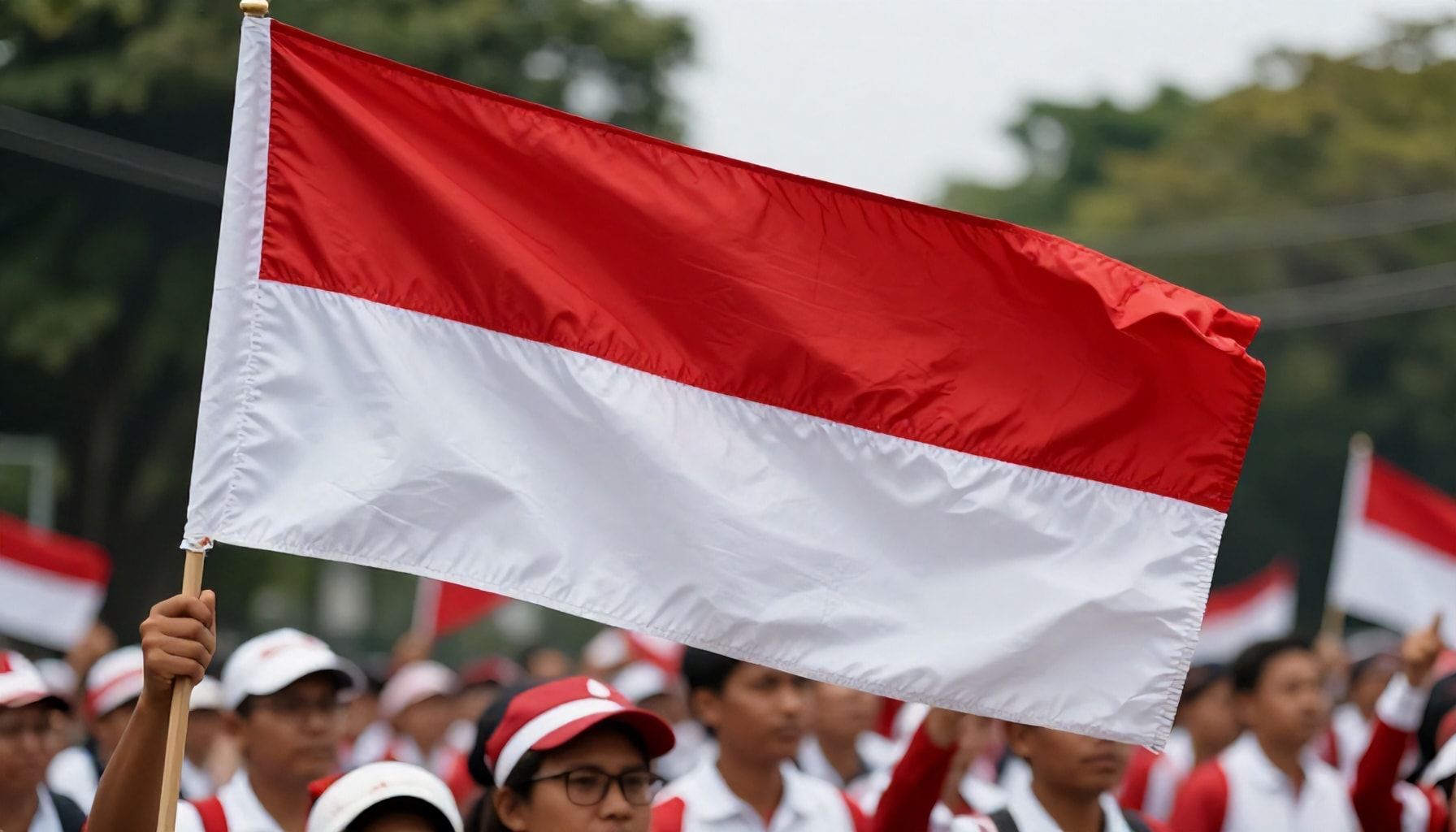
Indonesia erupted in a sea of red and white on August 17, as millions celebrated the 78th anniversary of their independence. The nation’s streets buzzed with energy, adorned with vibrant banners and flags fluttering in the tropical breeze. From the bustling capital of Jakarta to the remote islands of Papua, the spirit of patriotism united the archipelago.
Hari Kemerdekaan Indonesia, or Indonesian Independence Day, commemorates the proclamation of independence from Dutch colonial rule in 1945. This historic event holds profound significance for Indonesians worldwide, serving as a reminder of the nation’s struggle for freedom and unity. Hari Kemerdekaan Indonesia is more than just a public holiday; it is a celebration of national identity, cultural heritage, and the collective resilience of the Indonesian people. The grand parades, traditional performances, and fireworks displays not only honor the past but also inspire future generations to uphold the values of independence and sovereignty.
A Nation's Journey to Freedom
Indonesia’s journey to independence began in the early 20th century, as the archipelago sought to break free from centuries of colonial rule. The struggle culminated on August 17, 1945, when Sukarno and Mohammad Hatta proclaimed Indonesia’s independence. This historic moment marked the birth of a nation, one that has since grown into the world’s fourth most populous country.
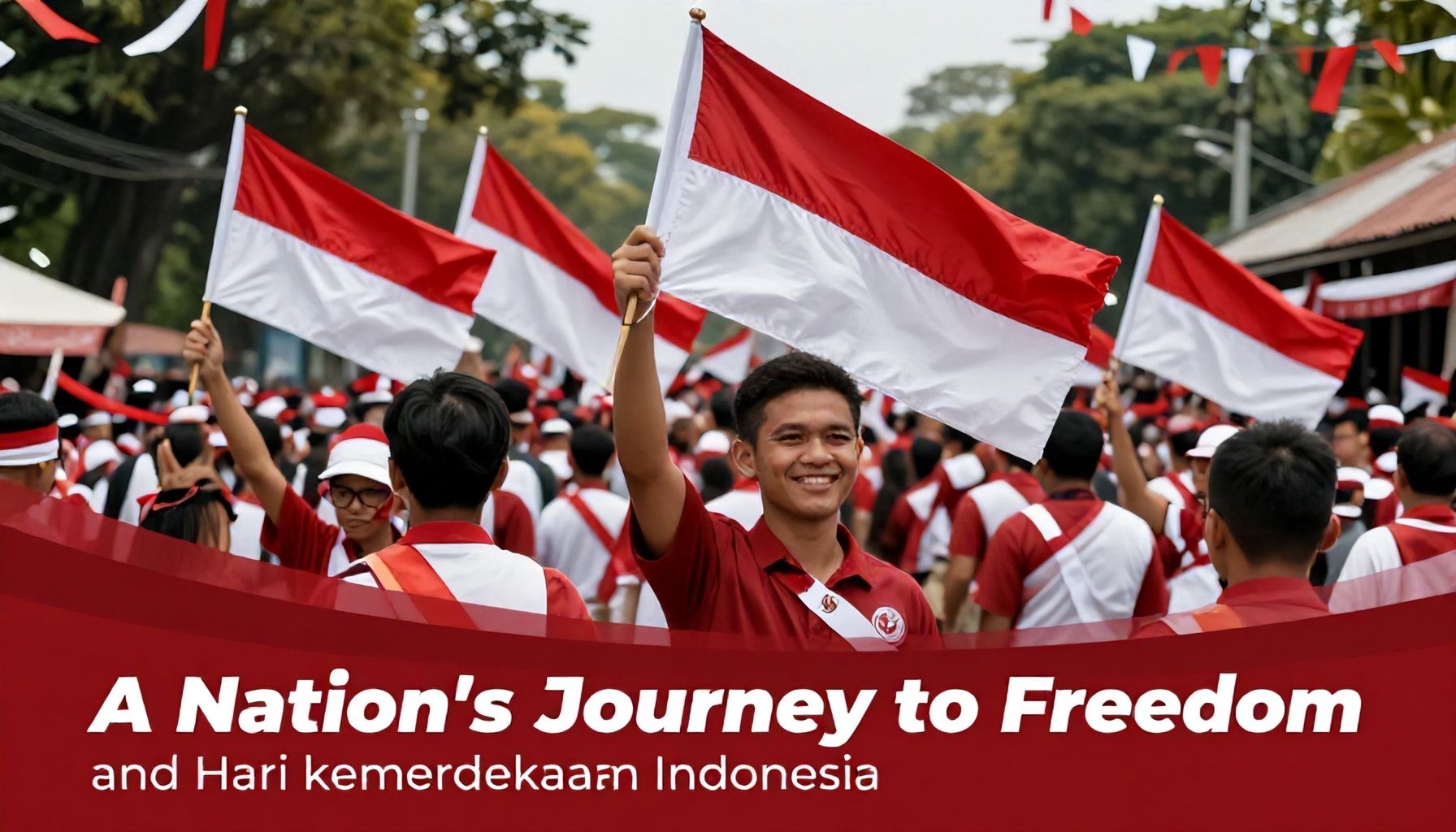
For Indonesians, Hari Kemerdekaan, or Independence Day, is more than just a public holiday. It’s a time to reflect on the sacrifices made by national heroes and freedom fighters. The day is celebrated with flag-raising ceremonies, traditional games, and cultural performances across the nation. In Jakarta, the capital, the grand parade draws thousands of spectators, showcasing the country’s military might and cultural diversity.
A study by a prominent historian reveals that the independence struggle was not without its challenges. The newly independent nation faced internal divisions and external pressures, including a brutal military campaign by the Dutch to reclaim their former colony. Despite these obstacles, Indonesia’s spirit remained unbroken, and the country eventually gained full recognition of its sovereignty in 1949.
The 78th Independence Day celebrations serve as a reminder of Indonesia’s remarkable journey. From a nation born out of struggle to a vibrant democracy, Indonesia’s progress is a testament to its people’s resilience and unity. As the country continues to evolve, the spirit of August 17, 1945, endures, inspiring future generations to uphold the values of freedom and democracy.
Vibrant Displays of Patriotism
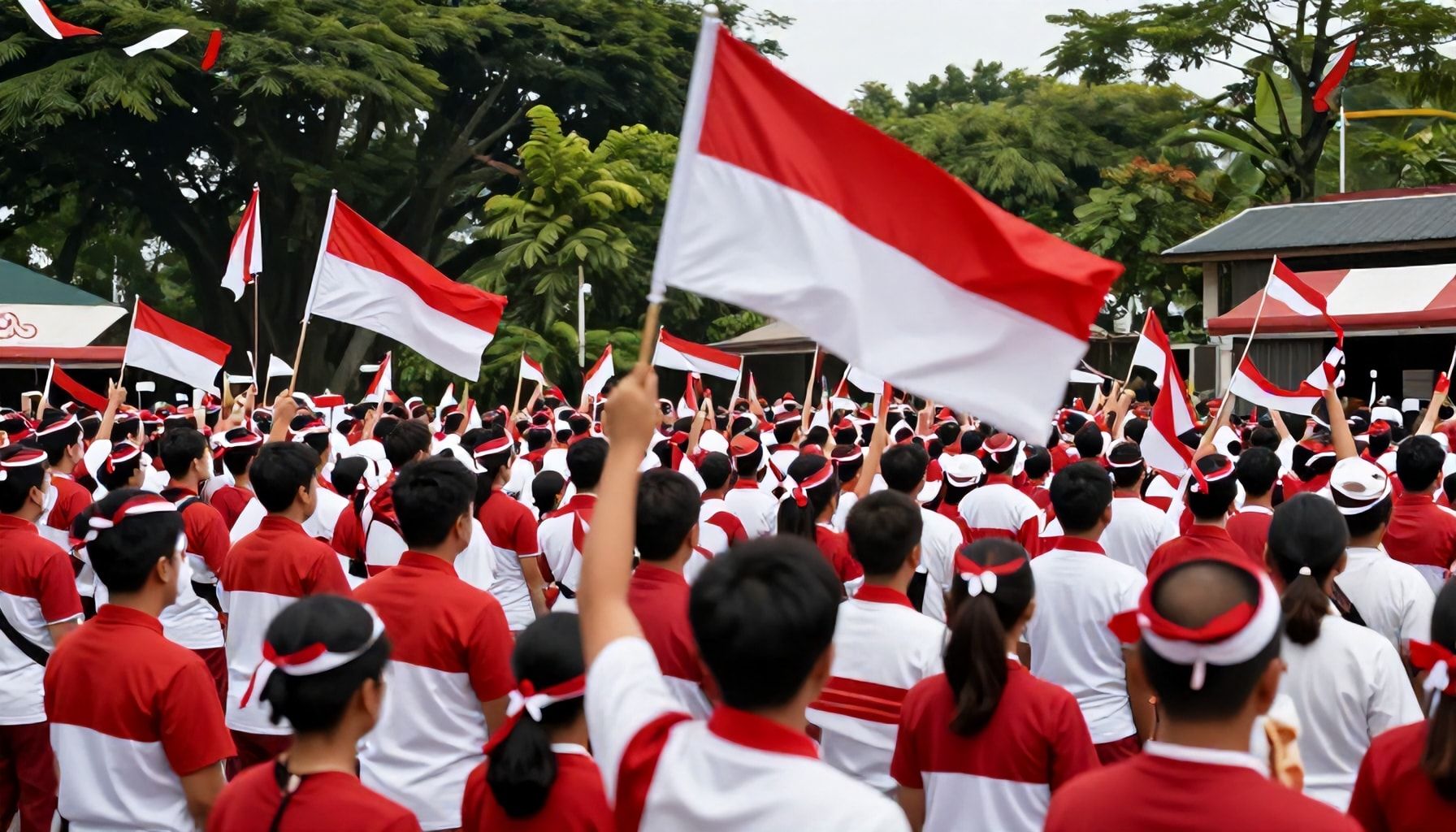
Across Indonesia, vibrant displays of patriotism marked the 78th Independence Day. Streets burst with red and white, the colors of the national flag, as communities gathered to celebrate. From bustling cities to remote villages, the spirit of unity and national pride was palpable. The air buzzed with excitement, filled with the sounds of traditional music and enthusiastic cheers.
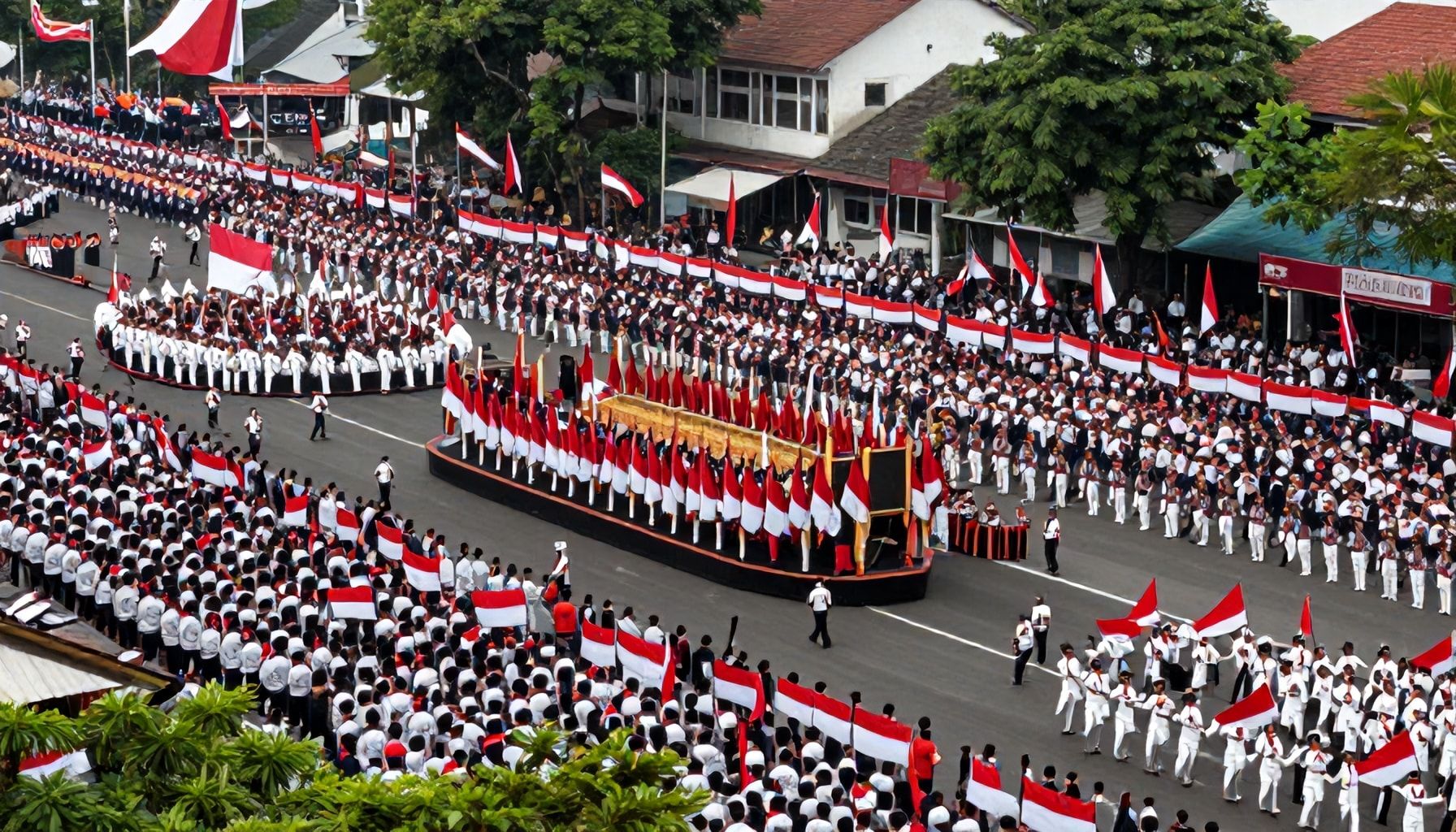
In Jakarta, the capital, a grand parade showcased Indonesia’s rich cultural diversity. Thousands of participants, including students, military personnel, and cultural groups, marched in unison. Spectators lined the streets, waving flags and wearing traditional attire. The parade featured elaborate floats depicting Indonesia’s history and achievements. A cultural expert noted that such events foster national identity and unity among the diverse population of over 270 million people.
Smaller towns and villages also organized their own celebrations. Local parades, traditional performances, and community gatherings highlighted regional customs. Children dressed in miniature military uniforms, while adults proudly displayed handmade crafts. The sense of community and shared heritage was evident in every corner of the country. These local celebrations, though smaller in scale, were equally vibrant and heartfelt.
Fireworks illuminated the night sky, capping off a day of festivities. The dazzling displays symbolized the nation’s resilience and hope for the future. As the fireworks faded, the echoes of patriotic songs lingered in the air. The 78th Independence Day served as a reminder of Indonesia’s journey and the collective spirit that binds its people together.
Jakarta's Grand Parade Takes Center Stage
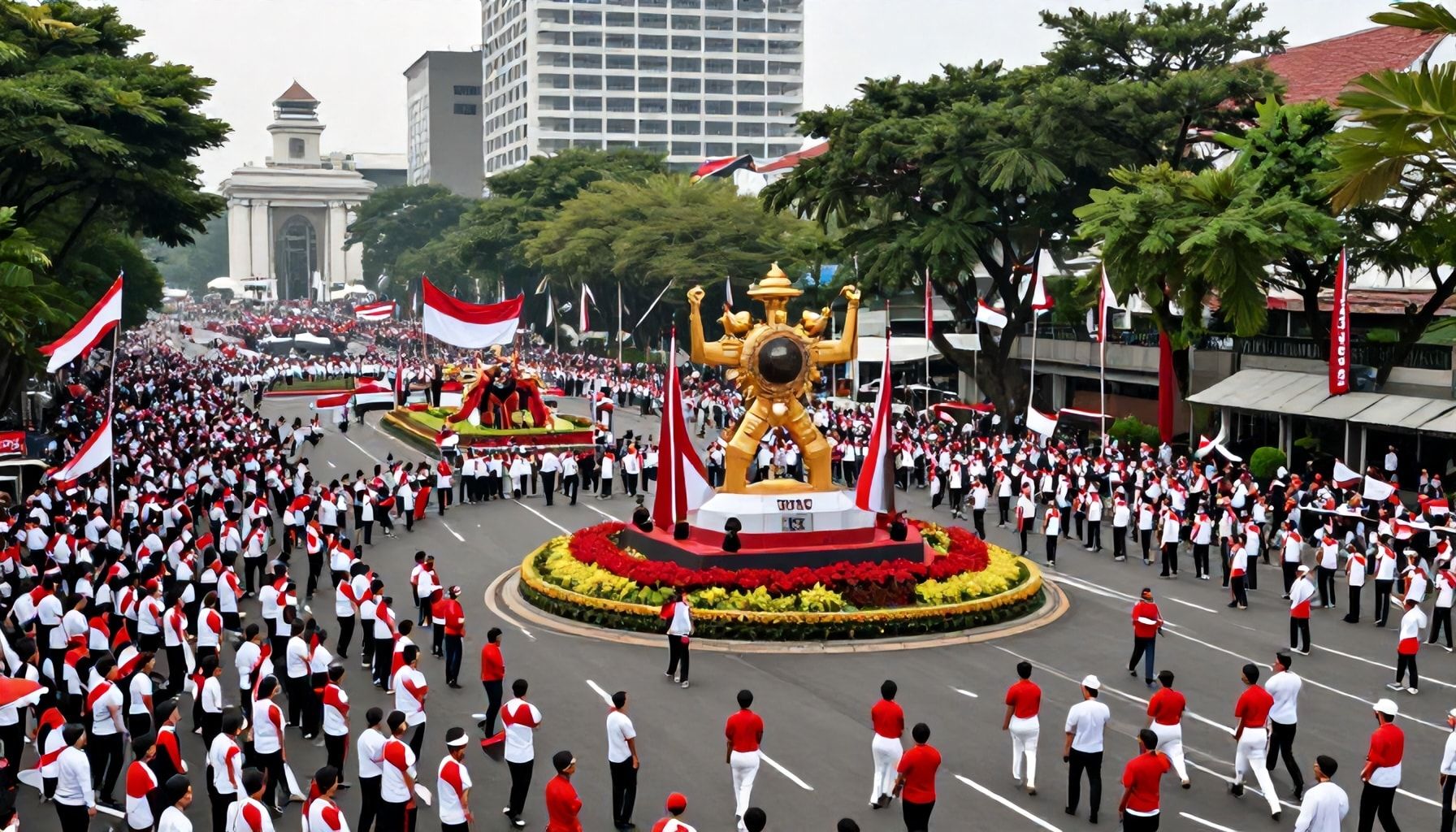
Jakarta transformed into a vibrant spectacle as Indonesia celebrated its 78th Independence Day with a grand parade. The capital city’s streets buzzed with excitement, adorned with red and white decorations symbolizing the nation’s spirit. Thousands of spectators lined the routes, eagerly awaiting the procession that showcased Indonesia’s rich cultural diversity and military prowess. The parade featured traditional performances, elaborate floats, and a display of military hardware, reflecting the country’s progress and unity.
This year’s parade stood out with its impressive scale, involving over 10,000 participants from various regions and military branches. A cultural expert noted that the event highlighted Indonesia’s commitment to preserving its heritage while embracing modernity. The parade’s centerpiece was a massive float depicting the country’s journey towards independence, drawing applause and cheers from the crowd.
One of the parade’s highlights was the performance by the Indonesian Marine Corps. Their precision drills and acrobatic displays left the audience in awe, demonstrating the discipline and skill of the nation’s armed forces. The event also included a flyover by the Indonesian Air Force, adding a dramatic touch to the celebrations.
The parade concluded with a fireworks display that illuminated the Jakarta skyline, symbolizing the nation’s bright future. The event served as a reminder of Indonesia’s resilience and unity, bringing together people from all walks of life to celebrate their shared heritage and pride in their country.
Celebrations Across the Archipelago
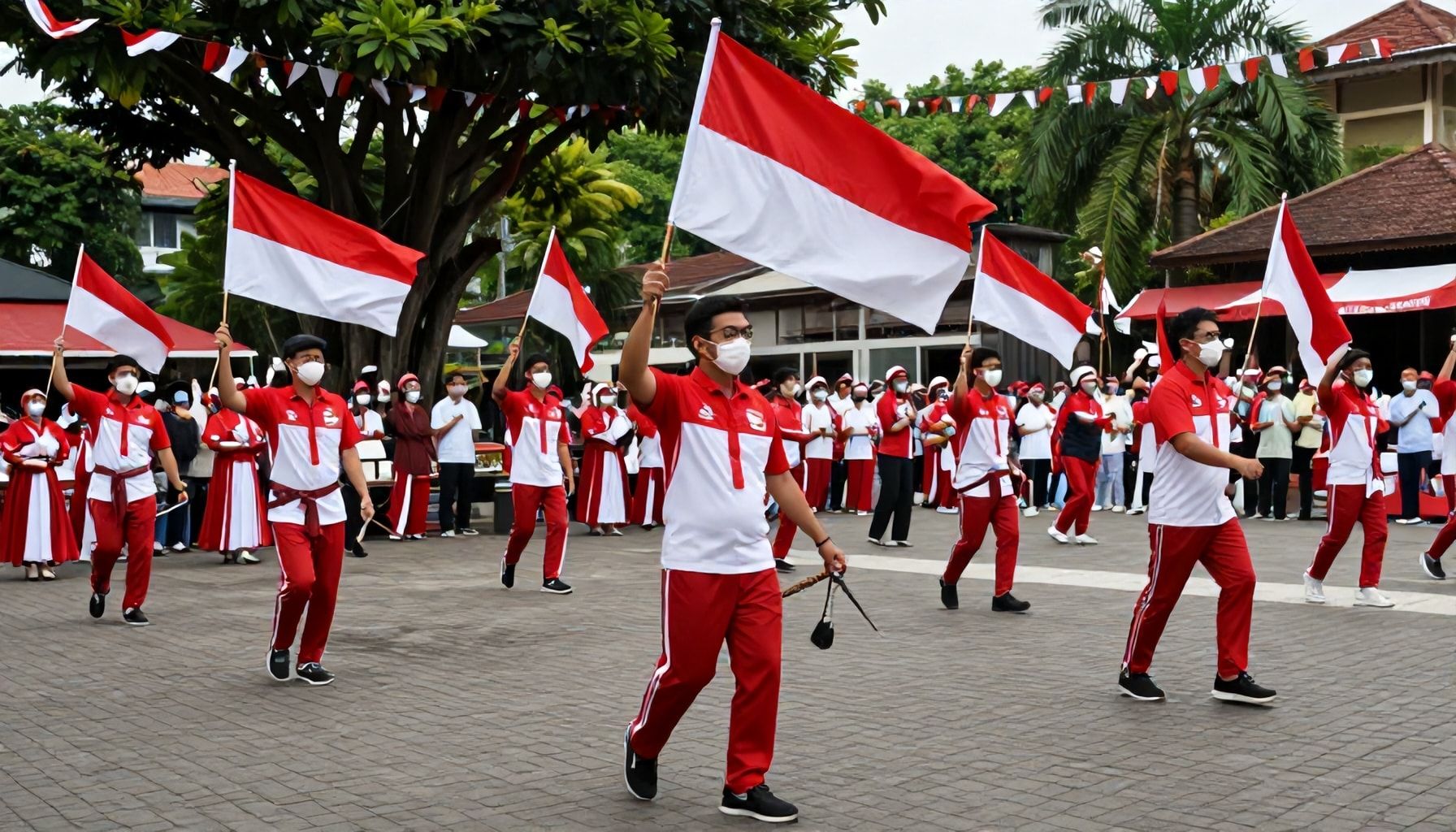
Across Indonesia’s vast archipelago, communities marked the 78th Independence Day with vibrant celebrations that showcased national pride and cultural diversity. From bustling cities to remote villages, streets came alive with red-and-white decorations, traditional performances, and spirited parades. In Jakarta, the capital, over 10,000 participants marched along Medan Merdeka, waving flags and chanting patriotic songs. The event drew spectators from across the nation, with estimates suggesting more than 500,000 people gathered to witness the spectacle.
In Yogyakarta, a cultural hub in Central Java, locals organized a grand parade featuring traditional Javanese performances like wayang kulit and gamelan music. The city’s historic Kraton, or palace, served as the backdrop for a reenactment of the proclamation of independence. A cultural anthropologist noted that such events play a crucial role in preserving Indonesia’s rich heritage while fostering a sense of unity among its diverse population.
On the island of Bali, celebrations took on a unique local flavor with a parade of traditional Balinese dances and offerings. The island’s governor emphasized the importance of maintaining cultural identity while embracing national unity. Meanwhile, in Papua, indigenous communities celebrated with traditional dances and songs, highlighting the country’s vast cultural tapestry.
In East Nusa Tenggara, residents marked the day with a parade featuring traditional music and dance from the region’s various ethnic groups. The celebrations underscored the theme of unity in diversity, a core value of Indonesia’s national identity. From the bustling streets of Jakarta to the serene landscapes of Papua, the spirit of Hari Kemerdekaan resonated across the archipelago, uniting Indonesians in a shared celebration of freedom and national pride.
Preserving Traditions, Embracing Modernity
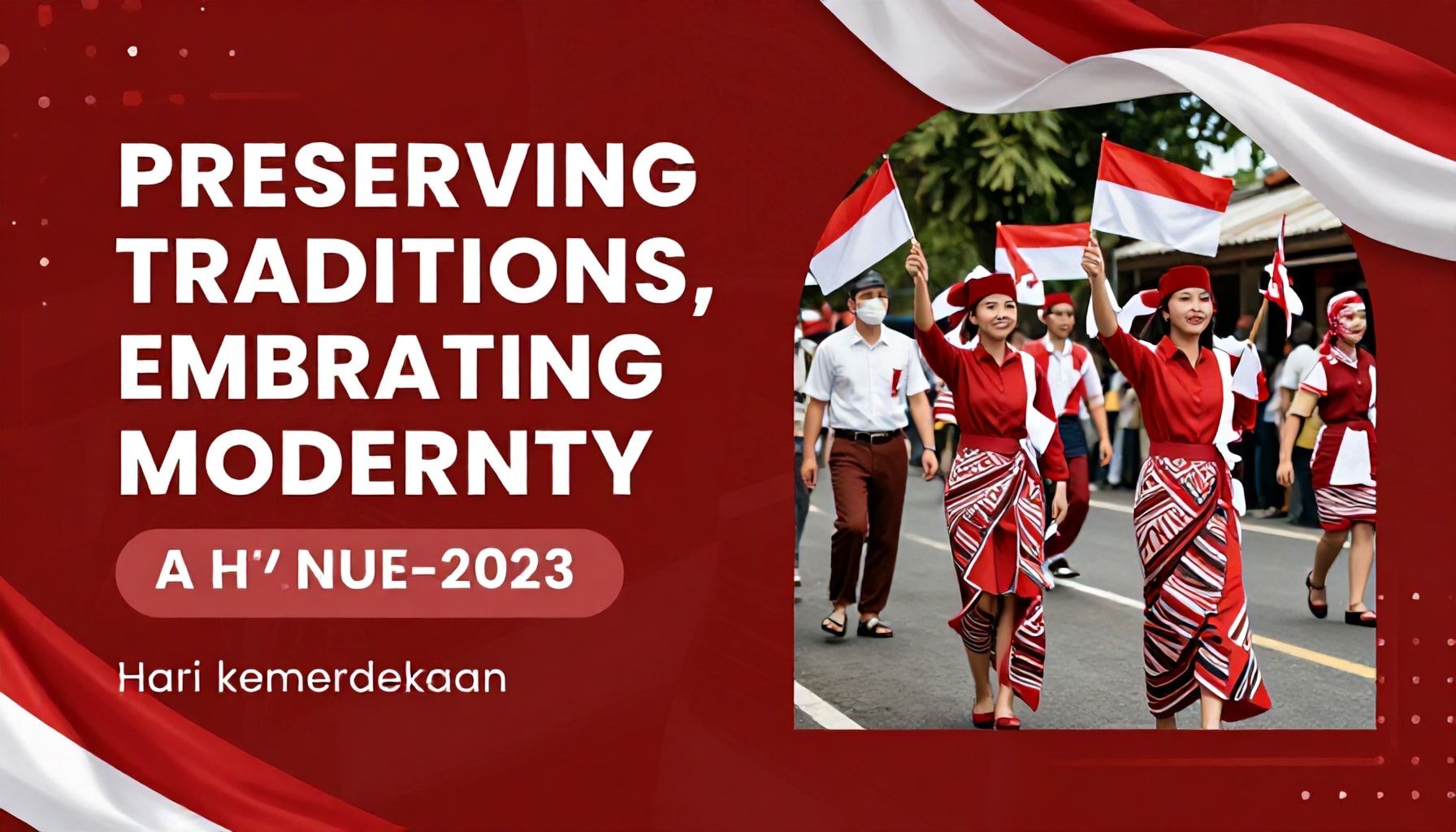
Indonesia’s 78th Independence Day celebrations vividly showcased the nation’s ability to preserve its rich traditions while embracing modernity. Across the archipelago, communities came together to honor their cultural heritage through vibrant performances, traditional games, and art exhibitions. The air was filled with the sounds of gamelan music and the scent of local delicacies, creating an atmosphere of unity and pride.
In Jakarta, the grand parade featured a striking blend of historical reenactments and contemporary displays. Participants donned traditional attire, such as batik and kebaya, alongside modern costumes that reflected Indonesia’s diverse cultural landscape. A cultural anthropologist noted that this fusion represents the country’s evolving identity, where tradition and innovation coexist harmoniously.
According to the Ministry of Tourism and Creative Economy, over 10 million people participated in Independence Day events nationwide. From the bustling streets of Surabaya to the serene villages of Bali, the celebrations highlighted the resilience and adaptability of Indonesian culture. Traditional dances, like the Legong and Pendet, shared the spotlight with modern performances, underscoring the dynamic nature of Indonesian heritage.
Educational institutions played a pivotal role in the festivities, organizing competitions and workshops that encouraged youth engagement. Schools and universities hosted events that ranged from flag-raising ceremonies to debates on national development. These initiatives not only fostered a sense of patriotism but also bridged the gap between generations, ensuring that the spirit of independence endures.
Looking Ahead to Indonesia's Future
As Indonesia celebrates its 78th Independence Day, the nation looks ahead with optimism and determination. The grand parades and festivities serve as a reminder of the country’s rich history and its aspirations for the future. With a population of over 270 million, Indonesia is poised to play an even greater role on the global stage in the coming years.
Experts point to Indonesia’s youthful population as a key driver of future growth. Over 40% of Indonesians are under the age of 25, presenting both opportunities and challenges. The government has recognized this demographic shift and is investing heavily in education and vocational training to prepare the next generation for the demands of the modern economy.
Sustainable development remains a top priority for Indonesia. The country has made significant strides in recent years, with a commitment to reducing carbon emissions and promoting renewable energy. These efforts are crucial for ensuring a prosperous and environmentally responsible future for all Indonesians.
As the nation reflects on its past achievements and looks forward to the future, one thing is clear: Indonesia’s best days are still ahead. With a strong sense of national pride and a shared vision for progress, the people of Indonesia are ready to embrace the opportunities and challenges that lie ahead.
Indonesia’s 78th Independence Day celebrations vividly showcased the nation’s unity, cultural richness, and patriotic spirit through grand parades and vibrant festivities. From the bustling streets of Jakarta to the remote villages, the day was a testament to the country’s progress and the enduring values of its people. To experience the true essence of Hari Kemerdekaan, visitors are encouraged to participate in local celebrations, engage with communities, and savor the diverse culinary delights that Indonesia has to offer. As the nation looks forward to its future, it continues to honor its past, promising even more spectacular celebrations in the years to come.