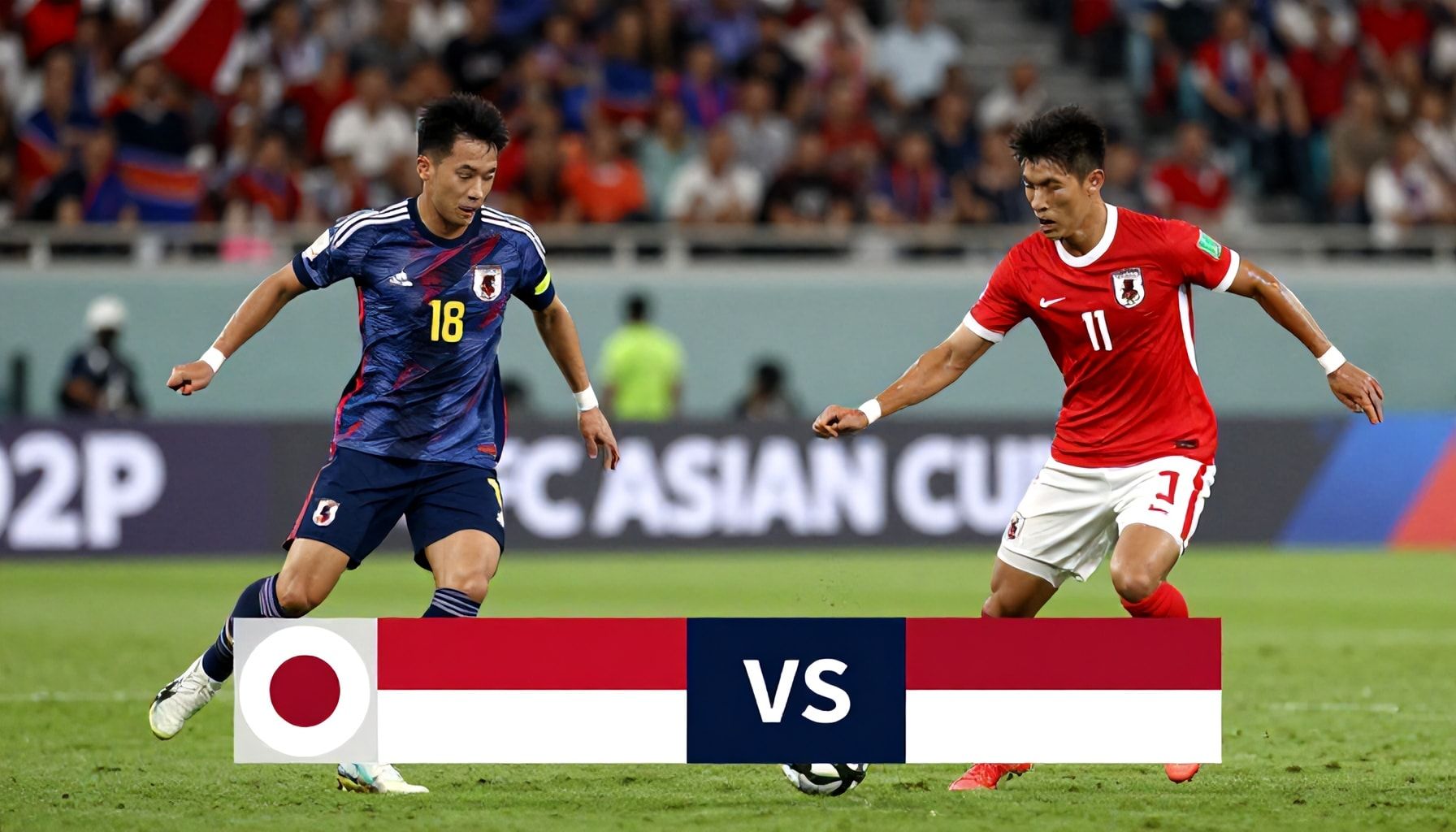
The stage is set for a thrilling encounter as Japan, the reigning AFC Asian Cup champions, prepare to face Indonesia in a crucial 2023 qualifier. The Samurai Blue, ranked 23rd in the world, will be heavy favorites against the Garuda squad, who sit 156 places below them in the FIFA rankings.
The clash between Japan and Indonesia promises more than just a battle for points. It offers a fascinating contrast of styles and histories. Japan brings a reputation for technical precision and tactical discipline, while Indonesia, though lower-ranked, possesses a rich footballing heritage and a passionate fan base. The match presents an opportunity for Indonesia to prove its mettle against one of Asia’s elite, while Japan seeks to solidify its dominance in the region. The jepang vs indonesia showdown is not just about the present; it’s a glimpse into the future of Asian football, where tradition meets ambition.
Historical rivalry reignites in Asian Cup qualifier
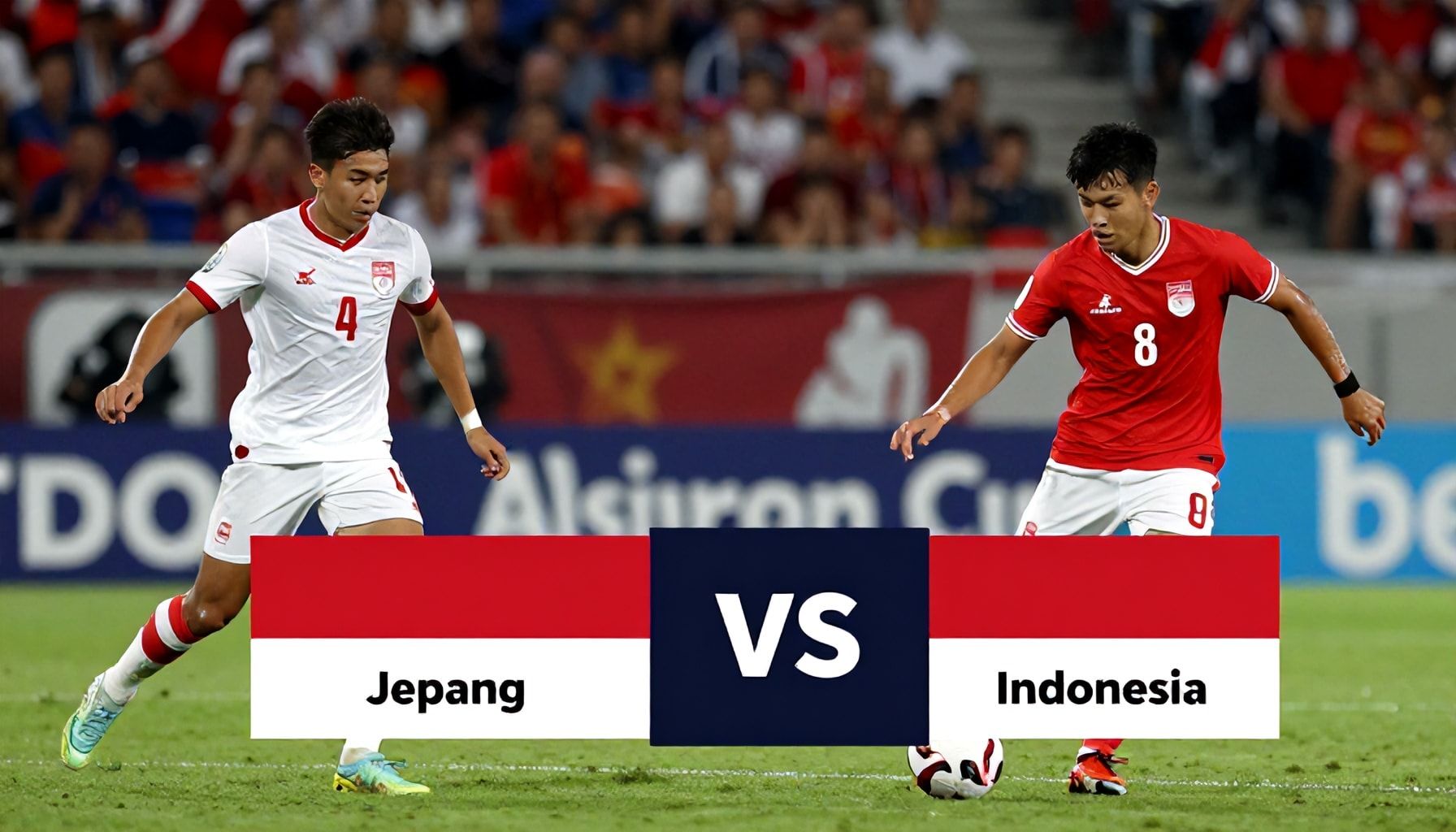
The stage was set for a fiery encounter as Japan and Indonesia clashed in the 2023 AFC Asian Cup qualifier. The two nations boast a rich footballing history, with Japan’s technical prowess often clashing against Indonesia’s physicality and tactical discipline. This qualifier reignited a rivalry that has seen its share of dramatic moments, with Japan holding a significant edge in recent encounters.
Japan, ranked 23rd in the world, entered the match as clear favorites. Their squad, a blend of experienced internationals and promising youngsters, showcased the depth of Japanese football. Indonesia, meanwhile, fielded a determined side eager to prove themselves on the international stage. The match lived up to its billing, with both teams creating chances and engaging in intense midfield battles.
A standout moment came in the 67th minute when Japan’s captain, known for his leadership and vision, orchestrated a swift counterattack. His through ball found the streaking forward, who calmly slotted the ball past the Indonesian goalkeeper. The goal, however, was ruled offside after a lengthy VAR review, much to the frustration of the Japanese players and fans.
The match ended in a 1-1 draw, a result that reflected the competitive nature of the encounter. Both teams had opportunities to secure all three points, but defensive resoluteness and sharp goalkeeping proved decisive. The draw kept Japan atop their qualifying group, while Indonesia remained in contention for a spot in the Asian Cup. The rivalry, as always, promised more drama in future encounters.
Key players to watch in Japan-Indonesia showdown
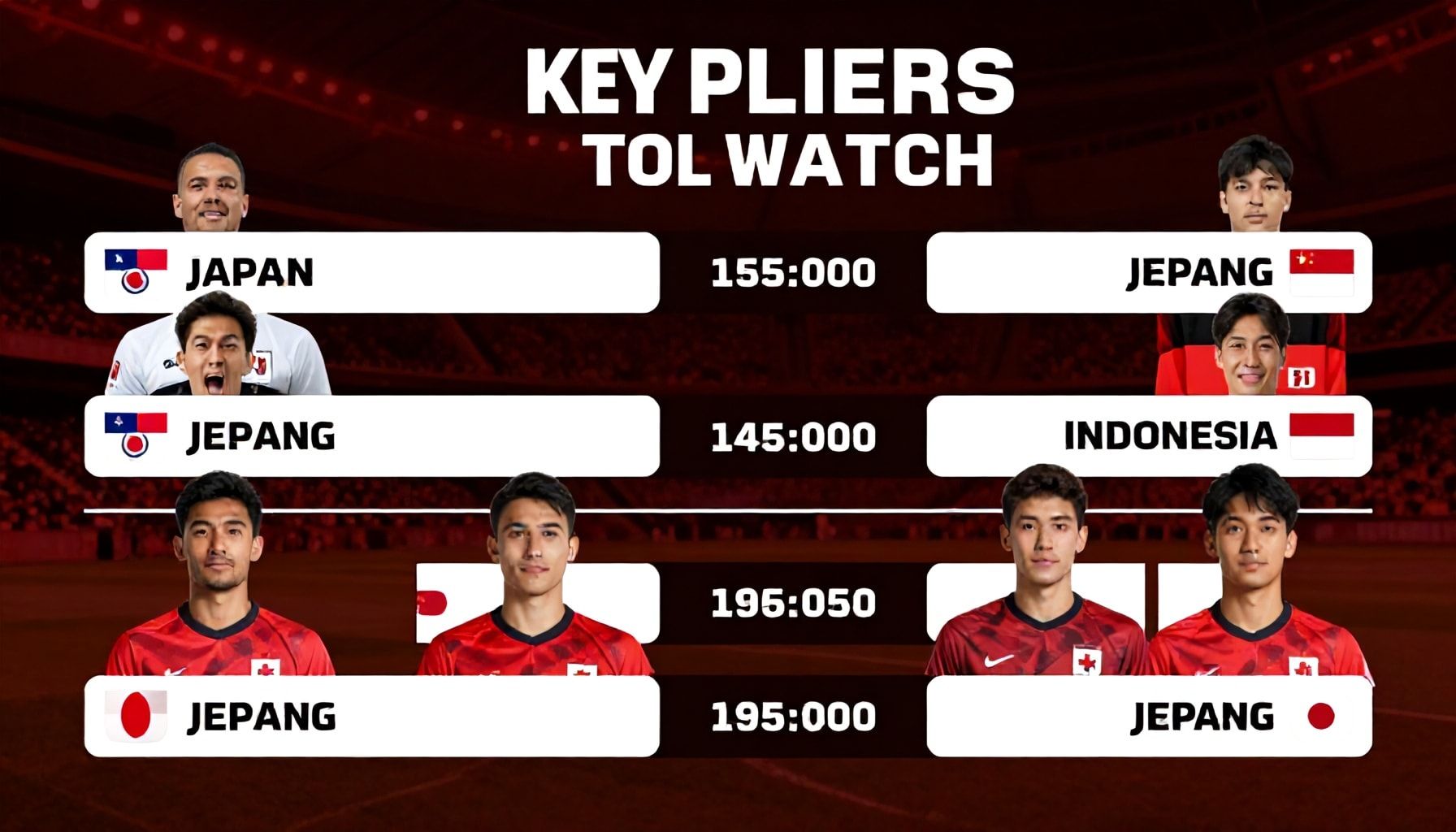
Japan’s attack will pivot around Takumi Minamino, the Liverpool forward who has been in scintillating form. With 12 goals in his last 15 appearances for club and country, Minamino’s pace and creativity will trouble Indonesia’s defense. His partnership with Daizen Maeda, who has impressed with his dribbling skills, could prove decisive. Japan’s midfield will be anchored by Wataru Endo, whose ball-winning abilities and passing range will be crucial in breaking down Indonesia’s defensive lines.
Indonesia’s hopes rest on the shoulders of their captain, Everton’s Richairo Zivkovic. The Dutch-born forward has been a revelation since switching allegiances, netting 15 goals in 25 appearances. His physical presence and aerial ability will be a constant threat to Japan’s defense. Supporting him will be the dynamic duo of Evan Dimas and Marselino Ferdinan, whose trickery and work rate have caused problems for even the best defenses in Asia.
A key battle will be in midfield, where Japan’s Makoto Hasebe brings a wealth of experience. The 36-year-old, with over 140 caps, will look to control the tempo and stifle Indonesia’s creative players. Indonesia’s midfield will be marshaled by Rizky Ridho, who has been impressive in his defensive duties for his club, PSV Eindhoven. His ability to read the game and intercept passes will be vital in nullifying Japan’s midfield maestros.
Tactical approaches: Samurai Blue vs. Garuda squad
The Samurai Blue, Japan’s national football team, will bring their signature tactical discipline to the 2023 AFC Asian Cup qualifier against Indonesia. Known for their high-pressing game and quick transitions, Japan often dominates possession and creates chances through intricate passing. Their defensive solidity, with a well-drilled backline, makes them a formidable opponent. Japan’s coach, a seasoned tactician, is expected to deploy a 4-2-3-1 formation, focusing on controlling the midfield and exploiting the wings.
Indonesia’s Garuda squad, meanwhile, will rely on their physicality and counter-attacking prowess. With a blend of experienced players and young talent, Indonesia aims to disrupt Japan’s rhythm with quick, direct passes and long balls targeting their pacey forwards. Their 4-4-2 formation is designed to absorb pressure and hit on the break, a strategy that has yielded success in recent matches. Indonesia’s coach emphasizes the importance of defensive organization and set-piece efficiency.
Japan’s midfield duo, often featuring players like Wataru Endo and Ao Tanaka, will be crucial in dictating the tempo. Their ability to control the game’s flow and provide defensive cover will be key against Indonesia’s counter-attacks. According to a renowned football analyst, Japan’s midfield mastery has been a consistent factor in their recent successes, with a 78% possession rate in their last five qualifiers.
Indonesia, on the other hand, will look to their defensive midfielders to shield the backline and launch attacks. Players like Ricky Kambuaya and Marselino Ferdinan will play pivotal roles in breaking up play and initiating counter-attacks. Their physical presence and tactical awareness will be tested against Japan’s technical midfielders. Indonesia’s strategy hinges on their ability to capitalize on Japan’s occasional defensive lapses, a tactic that has proven effective in previous encounters.
The clash between Japan’s possession-based football and Indonesia’s direct, counter-attacking approach promises an intriguing tactical battle. Both teams will need to adapt quickly to the other’s strategies, making for a dynamic and unpredictable match. The outcome will likely hinge on which team can execute their game plan more effectively under pressure.
Venue and conditions for crucial AFC match
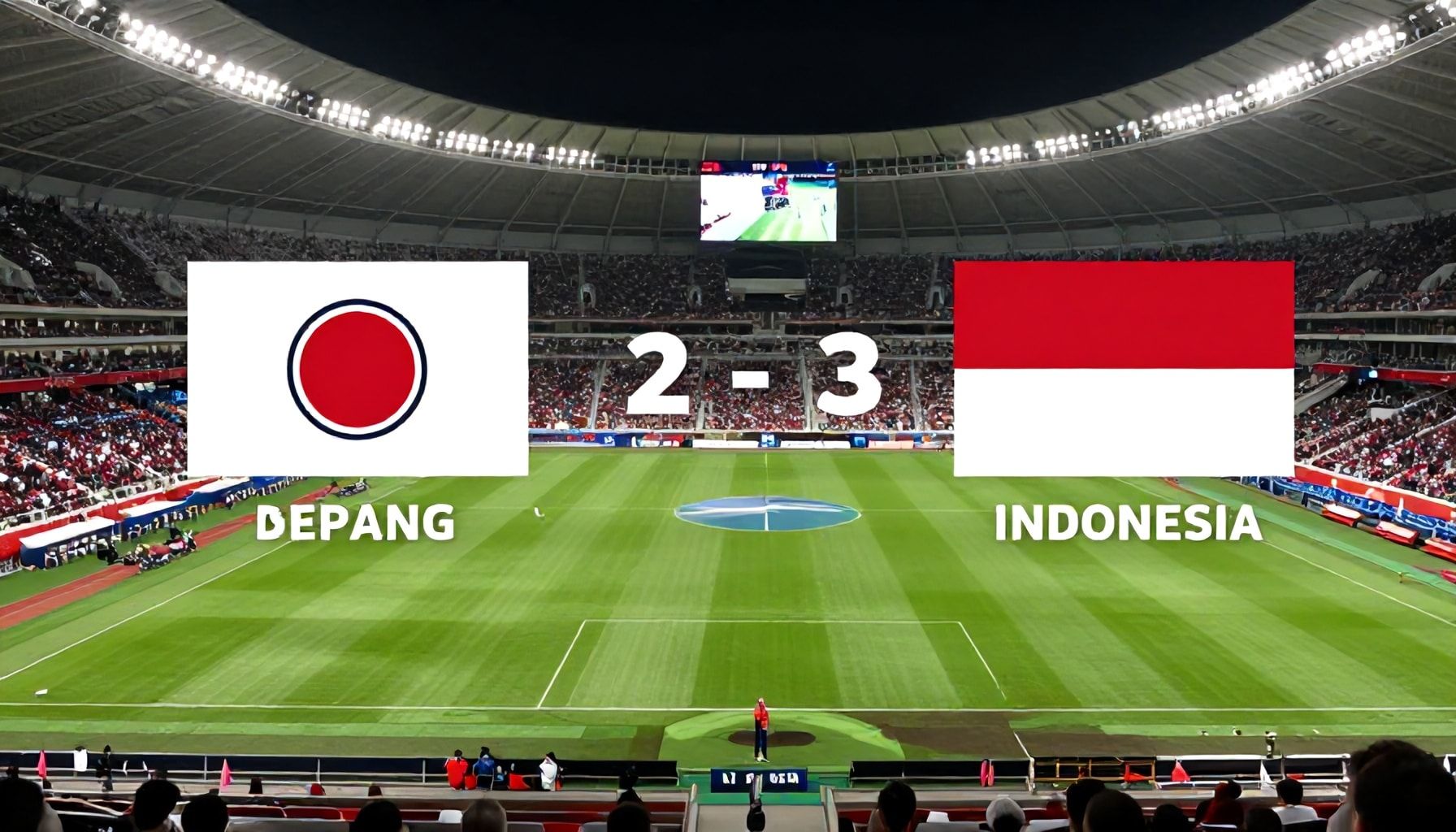
The highly anticipated AFC Asian Cup qualifier between Japan and Indonesia will take place at the Saitama Stadium in Saitama, Japan. This venue, known for its state-of-the-art facilities and electric atmosphere, has hosted numerous international matches. With a capacity of over 63,000 spectators, the stadium is expected to be filled to the brim, adding to the intensity of the encounter.
Conditions for the match are expected to be favorable, with clear skies and temperatures around 15°C (59°F). The pitch, maintained to international standards, should provide an excellent playing surface for both teams. Japan’s home advantage is undeniable, with their familiarity with the conditions and the potential for passionate home support.
According to a football analyst, the home advantage could be significant. “Playing at home can boost a team’s performance by up to 15%,” they noted. This statistic underscores the importance of the venue in international football. Both teams will be eager to capitalize on any advantages they can gain.
Security measures will be stringent, ensuring the safety of players and spectators alike. The match officials, handpicked for their experience and impartiality, will oversee the proceedings. With so much at stake, every aspect of the match, from the venue to the conditions, will play a crucial role in the outcome.
Impact of result on both teams' Asian Cup hopes
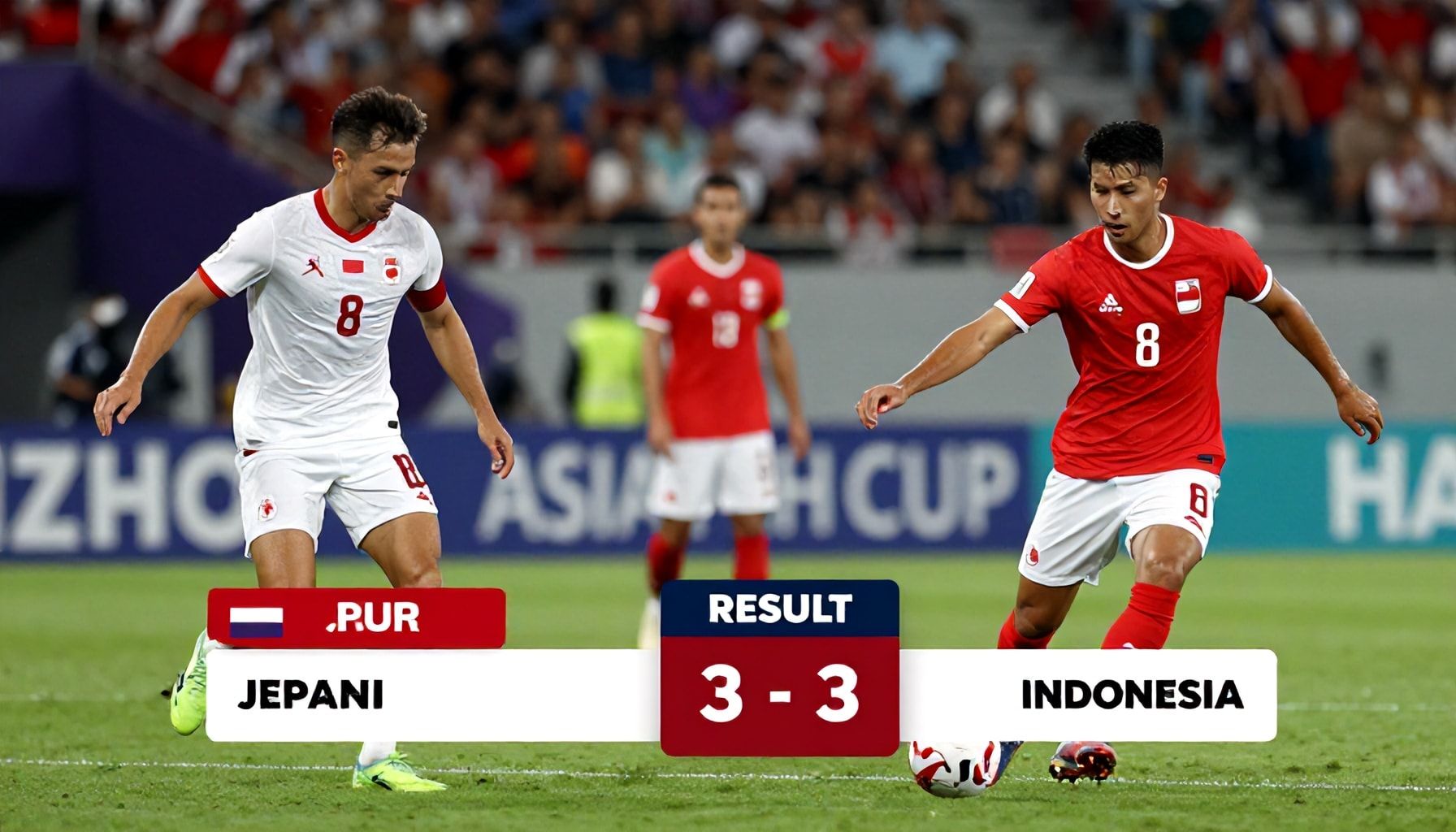
The outcome of the Japan vs. Indonesia match carries significant weight for both teams’ aspirations in the 2023 AFC Asian Cup. Japan, currently leading Group B with 12 points from five matches, faces a crucial test. A victory would solidify their position at the top of the table, keeping their hopes of automatic qualification alive. The Samurai Blue have been consistent, with four wins and a single draw, but a slip-up here could complicate their path.
Indonesia, on the other hand, sits in third place with six points, just two points behind second-placed Syria. A win could catapult them into contention for a top-two finish, which would secure direct qualification. The Garuda squad has shown resilience, with two wins, one draw, and two losses. Their recent form has been impressive, but they need to maintain this momentum to challenge the group leaders.
An Asian football analyst noted that the match could be a turning point for both teams. “Japan needs to prove their consistency, while Indonesia has a chance to make a statement,” the expert remarked. The Garuda’s attacking prowess will be tested against Japan’s formidable defense, which has conceded only two goals in the qualifiers so far. This clash promises to be a thrilling encounter with significant implications for both sides.
For Japan, the stakes are high. A loss or even a draw could open the door for Syria to close the gap. The Samurai Blue must maintain their composure and focus on their game plan. Indonesia, meanwhile, will be looking to capitalize on any mistakes and secure a historic victory. The stage is set for an intense battle that could shape the future of both teams in the Asian Cup journey.
Looking ahead: Implications for World Cup qualifying
Japan and Indonesia’s upcoming clash in the 2023 AFC Asian Cup qualifier carries significant weight beyond the immediate stakes. The match serves as a critical gauge for both teams’ progress and readiness for the rigorous World Cup qualifying campaign that follows. Japan, consistently a powerhouse in Asian football, will be keen to maintain their dominance, while Indonesia aims to build on their recent improvements and establish themselves as a formidable contender.
For Japan, the qualifier presents an opportunity to fine-tune their squad ahead of the more demanding World Cup qualifiers. With a rich history in international football, Japan will be looking to secure a strong position in the Asian rankings. Analysts suggest that Japan’s performance in this match could provide valuable insights into their tactical approach and team cohesion moving forward.
Indonesia, on the other hand, has been making steady strides in international football. Their recent performances have shown a marked improvement, and this match against Japan offers a chance to test their mettle against one of the region’s top teams. A strong showing could boost Indonesia’s confidence and momentum as they prepare for the World Cup qualifying rounds.
With only 12 teams advancing from the Asian qualifiers to the World Cup, every match counts. The outcome of this encounter could have a ripple effect on both teams’ strategies and morale. As both nations gear up for this crucial match, the footballing world watches closely to see how these two teams will shape the future of Asian football.
The 2023 AFC Asian Cup qualifier between Japan and Indonesia showcased the growing competitiveness of Southeast Asian football, with Indonesia pushing the Samurai Blue to their limits. While Japan ultimately secured a hard-fought victory, Indonesia’s spirited performance signaled their rising stature in Asian football. Fans of both teams should look forward to future encounters, as Indonesia’s progress promises to make these matches even more thrilling. The stage is set for an exciting journey towards the 2023 AFC Asian Cup, with both nations eager to make their mark on the continental stage.