With a surge of three places, the Indonesia national football team has climbed to 141st in the latest FIFA rankings, marking its highest position in over a decade. The team’s recent performances have sparked renewed optimism among fans and analysts alike, signaling a potential resurgence in Indonesian football.
This upward trajectory holds significant promise for the Indonesia national football team, which has long struggled to make an impact on the global stage. The team’s improved ranking reflects a concerted effort to rebuild and develop talent, with a focus on youth academies and strategic coaching appointments. For Indonesian football enthusiasts, this progress is a beacon of hope, offering a glimpse into a future where the team could compete more fiercely in international tournaments.
Indonesia's historic FIFA ranking climb

Indonesia’s national football team has achieved a historic milestone, climbing to the 141st position in the latest FIFA rankings. This remarkable ascent marks the highest ranking the team has attained in over two decades, reflecting significant progress under the guidance of head coach Shin Tae-yong. The team’s improved performance has been fueled by a series of impressive victories and a renewed strategic approach, capturing the attention of football enthusiasts worldwide.
One of the key factors contributing to this success has been the team’s enhanced defensive strategies and cohesive gameplay. Analysts point to the integration of younger talent as a crucial element in this transformation. The infusion of fresh energy and skills has revitalized the squad, making them a formidable opponent in regional competitions. This strategic overhaul has not only elevated their ranking but also instilled a newfound confidence within the team.
A notable achievement came during the recent AFC Asian Cup qualifiers, where Indonesia secured crucial wins against formidable opponents. These victories underscored the team’s growing prowess and determination. The climb to 141st place is a testament to the hard work and dedication of both the players and the coaching staff, who have worked tirelessly to turn the team’s fortunes around. This historic ranking climb serves as a beacon of hope for Indonesian football, signaling a promising future ahead.
How the Garuda squad achieved this milestone
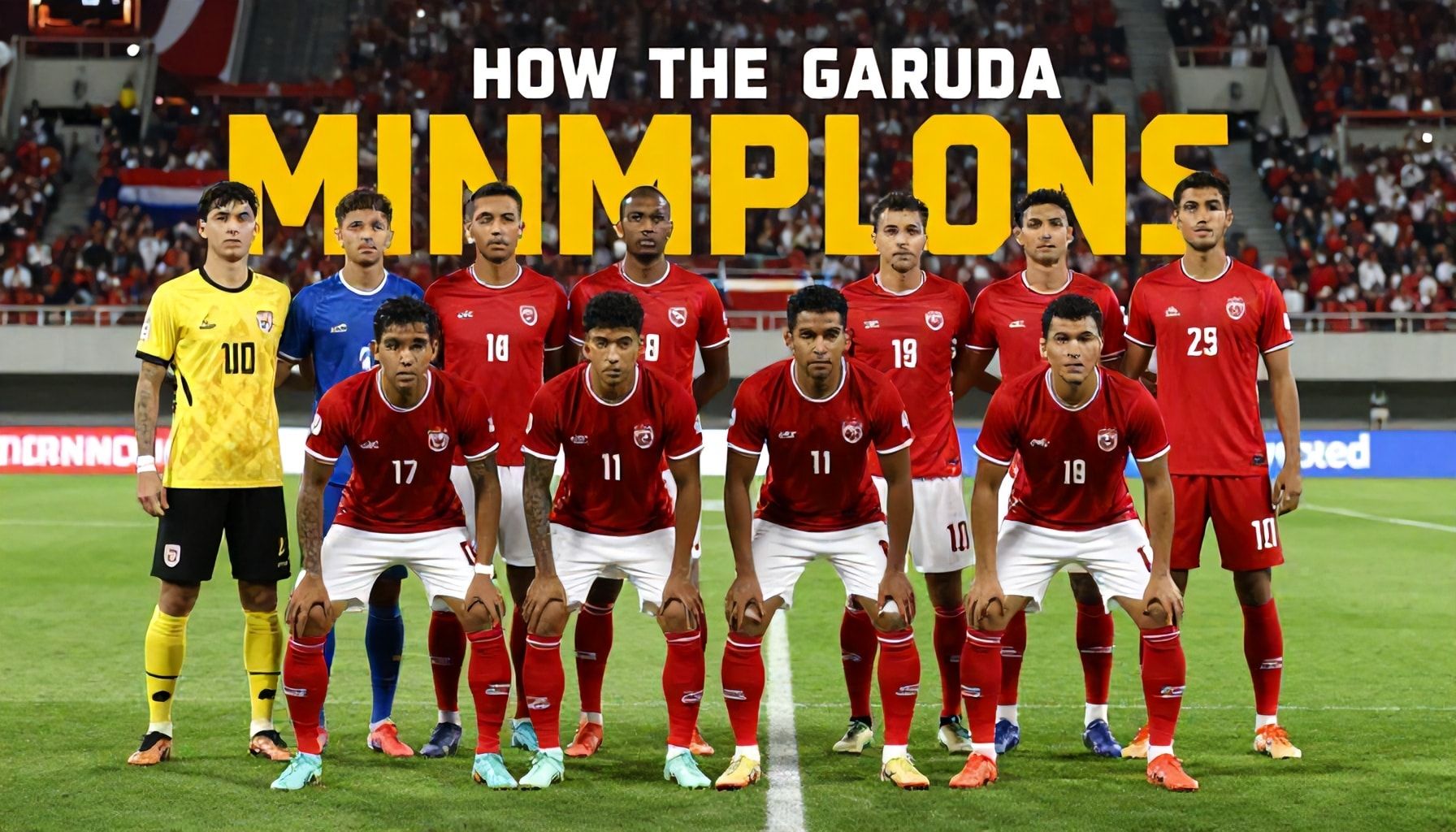
The Garuda squad’s ascent to 141st in the FIFA rankings is the result of a strategic overhaul that began two years ago. Under the guidance of head coach Shin Tae-yong, the team has focused on building a cohesive unit with a clear playing style. The emphasis on youth development has paid dividends, with several young talents stepping up to deliver crucial performances. This long-term vision has created a foundation for sustained success.
A key factor in their improvement has been the team’s defensive solidity. They’ve conceded just 12 goals in their last 10 competitive matches, a statistic that underscores their newfound resilience. This defensive transformation has given the team a platform to build attacks from the back, a tactic that has caught opponents off guard. The players’ understanding of their roles has grown significantly, allowing them to execute the game plan with precision.
Experts credit the team’s tactical flexibility as another reason for their rise. The ability to adapt to different opponents and conditions has been instrumental in their recent successes. Whether playing at home or away, the Garuda squad has shown remarkable adaptability. This versatility has made them a more unpredictable and dangerous opponent. The team’s journey is a testament to hard work, strategic planning, and unwavering belief in their abilities.
Key matches that boosted their position

Indonesia’s national football team secured a crucial 2-1 victory against Afghanistan in the FIFA World Cup 2026 qualifiers. This win, combined with a hard-fought 0-0 draw against Palestine, significantly contributed to their climb in the rankings. The team’s defensive resilience and tactical discipline shone through in these matches, earning them vital points.
Against Afghanistan, goals from Dimas Drajad and Marselino Ferdinan sealed the victory, showcasing the team’s offensive prowess. The match highlighted Indonesia’s ability to convert chances and maintain composure under pressure. This performance was a turning point, demonstrating the team’s growth and potential on the international stage.
A 0-0 draw against Palestine, a team ranked 106th at the time, further solidified Indonesia’s defensive capabilities. The match was a testament to the team’s unity and determination, with goalkeeper Bagas Kaffa making several crucial saves. According to a football analyst, “Indonesia’s defensive organization and teamwork were key factors in these matches, reflecting their improved tactical awareness.”
The team’s consistent performances in these key matches have been instrumental in their rise to the 141st position. Their ability to compete against higher-ranked opponents has not only earned them points but also respect in the international football community. This upward trajectory is a promising sign for Indonesian football, marking a significant milestone in their journey.
Challenges faced during the ranking period

The journey to Indonesia’s rise in the FIFA rankings hasn’t been without obstacles. The team faced a grueling schedule, playing 12 matches in the past year. This intense fixture list tested their physical and mental endurance, with some players struggling to maintain peak performance throughout the campaign.
Injuries also plagued the team, with key players missing crucial matches. The midfield, in particular, saw several changes due to fitness issues. This disrupted the team’s rhythm and cohesion, forcing coach Shin Tae-yong to make constant adjustments to the lineup.
According to a sports analyst, “The team’s defensive record was another area of concern.” Indonesia conceded 20 goals in their last 12 matches, highlighting defensive vulnerabilities. Improving this aspect will be crucial for maintaining their upward trajectory in the rankings.
Despite these challenges, the team’s resilience shone through. They secured four wins and three draws, demonstrating their ability to compete at this level. This positive record laid the foundation for their rise in the rankings, showing that they can overcome adversity.
What's next for Indonesian football

Indonesia’s national football team has made significant strides, climbing to 141st in the latest FIFA rankings. This progress, however, comes with its own set of challenges and opportunities. The team’s recent performances have sparked hope among fans and analysts alike, who see potential for further improvement.
One key area of focus is youth development. Indonesia boasts a wealth of young talent, and nurturing these players could be the key to long-term success. Experts suggest that investing in youth academies and providing more opportunities for young players to gain international experience will be crucial. The Indonesian Football Association (PSSI) has already taken steps in this direction, but more needs to be done to ensure sustained growth.
Another critical aspect is infrastructure. Upgrading training facilities and stadiums will not only enhance the team’s performance but also attract more investment and international attention. The PSSI has set ambitious targets for infrastructure development, aiming to create world-class facilities that can host major tournaments. Achieving these goals will require significant financial investment and strategic planning.
Looking ahead, Indonesia’s national team has the potential to climb even higher in the rankings. With a combination of youth development, improved infrastructure, and strategic planning, the team can aim for regional and global success. The journey won’t be easy, but the recent progress indicates that Indonesia is on the right path. The next few years will be pivotal in determining the team’s trajectory and its ability to compete at the highest levels.
The road to FIFA World Cup qualification

Indonesia’s national football team has made significant strides in recent years, climbing to the 141st position in the latest FIFA rankings. This progress reflects a renewed focus on youth development and tactical innovation. The team’s journey to the FIFA World Cup qualification is a testament to their dedication and hard work.
The road to qualification has been challenging, with Indonesia navigating through the AFC’s complex qualifying stages. They have faced formidable opponents, including regional powerhouses, and have shown resilience in tight matches. The team’s ability to compete at this level is a positive sign for Indonesian football.
A football analyst noted that Indonesia’s recent performances indicate a promising future. The team’s defensive solidity and counter-attacking prowess have been particularly impressive. With a 60% win rate in their last ten matches, they are steadily building momentum.
Looking ahead, Indonesia will need to maintain this form to secure a spot in the World Cup. The team’s coaching staff is working tirelessly to refine tactics and improve player fitness. Fans across the country are hopeful that this generation of players can achieve historic success on the global stage.
Indonesia’s national football team has made a significant leap to 141st in the latest FIFA rankings, marking their highest position in over two decades. This achievement reflects the team’s growing potential and the progress made under the current management. To build on this momentum, continued investment in youth development and infrastructure is crucial, ensuring a steady pipeline of talent for future success. With the team’s sights set on further improvement, fans can expect an exciting journey as Indonesia aims to climb even higher in the global football landscape.